





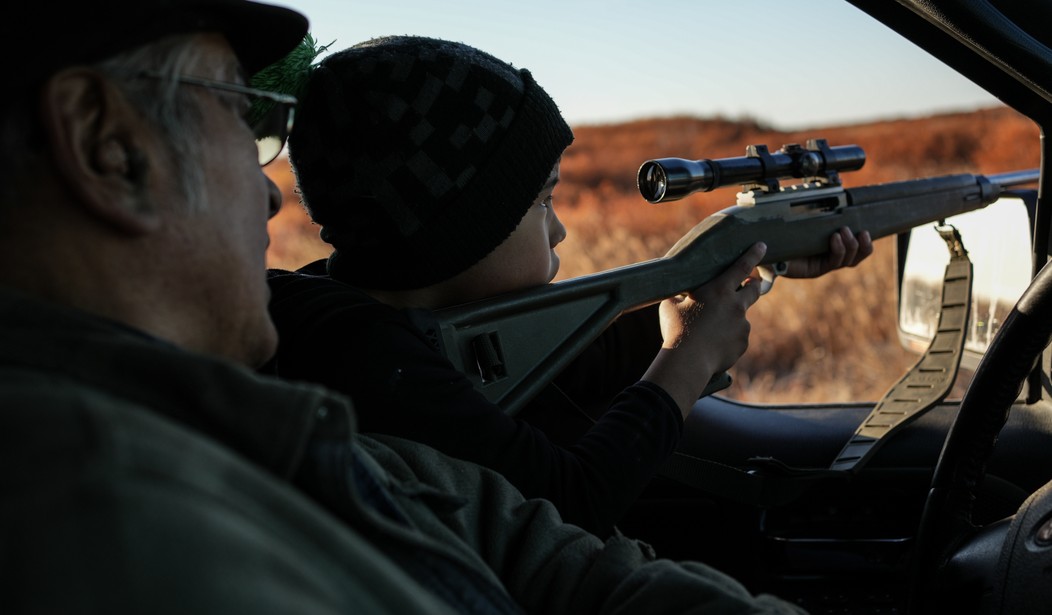
One of the most important things a hunter brings home may never reach his own table. Across the country, hunters donate harvested deer to local processors and food banks, where the venison becomes nutritious meals for families they may never meet. At the same time, that harvest helps state wildlife agencies manage deer populations and protect the health of the surrounding habitat.
It is an important part of the hunting story, but one that many Americans rarely hear.
This Saturday, September 26, the country will observe National Hunting and Fishing Day. The occasion comes just over a week after President Donald Trump signed an executive order titled “Reinvigorating America’s Hunting Heritage.” Together, these events offer a timely opportunity to explain why hunting continues to matter, not only to the people who participate in it, but also to the communities and wildlife populations that benefit from it.
Several years ago, I helped lead the project that resulted in the book "How to Talk About Hunting: Research-Based Communications Strategies." The book examined how hunters and wildlife professionals could better explain hunting to people who had never experienced it themselves. Much of that work came down to a basic idea: Conversations about hunting are most effective when they begin with values that hunters and non-hunters share.
Americans want wildlife populations to remain healthy. They understand the importance of giving young people opportunities to spend time outdoors, and they care about families who are struggling to put nutritious food on the table. Responsible hunting has a meaningful role in each of those areas, even if that connection is not always well understood.
The new executive order recognizes many of those connections. It directs federal agencies to help states find additional ways to introduce young people and veterans to hunting, while also clarifying the availability of federal education funding for school-based archery and hunter education programs. It also encourages state wildlife agencies to use Pittman-Robertson funds to manage hyperabundant wildlife populations and support the processing and donation of wild game to schools and food banks.
For nearly 90 years, the Pittman-Robertson Act has directed revenue from federal excise taxes on firearms and ammunition back to the states for wildlife restoration, habitat management, hunter education, and public shooting ranges. Hunters and the shooting community are not simply beneficiaries of conservation programs. Their participation helps finance much of that work.
The executive order now draws a more direct connection between that conservation funding and the needs facing many communities. In areas where deer populations have grown beyond what the surrounding habitat can sustain, state wildlife professionals rely on hunters to help bring those populations back into balance. Meanwhile, food banks often struggle to obtain enough high-quality protein for the families they serve.
Wild-game donation programs bring those needs together in a practical way. A hunter donates a legally harvested animal, a participating processor prepares and packages the meat, and a local food bank or feeding ministry distributes it. One deer can provide scores of meals, and over the course of a hunting season, those individual donations can place thousands of pounds of venison into a community’s food network.
At The 1791 Foundation, where I serve as executive director, we recently awarded a $20,000 grant to Farmers and Hunters Feeding the Hungry. The organization works with hunters, processors and local feeding ministries across the country and reports that it has distributed more than 24 million servings of meat since 1997. That work demonstrates the reach of a responsible harvest long after a hunter leaves the field.
National Hunting and Fishing Day also reminds us that this tradition will not continue on its own. Every hunter was once a beginner who needed someone willing to explain the rules, share equipment, and model respect for the firearm, the animal, and the land.
That is why the executive order’s focus on hunter education and youth participation is so important. A first experience at a range or in the field can teach responsibility and build confidence, but only when it takes place under the guidance of someone who understands the obligation that comes with hunting. Passing down the tradition must also mean passing down its ethics.
Government programs can help open doors, but the long-term future of hunting will depend on the people and organizations willing to invite someone through them. Hunters, instructors, and conservation groups each have a role, as do the donors who make youth programs and safe facilities possible.
For those of us who hunt, National Hunting and Fishing Day should be an occasion to think about how we explain this way of life and how we welcome others into it. We can invite someone new into the field, support a local hunter education program, or donate part of a harvest. Just as importantly, we can help more Americans understand that responsible hunting continues to serve both wildlife and people.
The hunt does not end when the woods go quiet. Its impact continues through the habitats hunters help conserve, the traditions they pass along, and the meals placed on tables in communities across the country.
Peter Churchbourne is the Executive Director of The 1791 Foundation and a longtime advocate for hunters and conservation. Previously Director of the NRA Hunters’ Leadership Forum and a 17-year veteran of Ducks Unlimited, he has developed award-winning education resources and communications strategies to advance hunters’ rights nationwide.
Editor’s Note: Do you enjoy Townhall’s conservative reporting that takes on the radical Left and woke media? Support our work so that we can continue to bring you the truth.
Join Townhall VIP and use promo code FIGHT to receive 60% off your membership.

Join the Conversation
VIP members get the ability to comment on articles.