





In an earlier column, I looked at the role the abortion issue would play in the 2016 election -- not very much, I concluded -- and promised another column on other cultural issues. Here goes.
On anyone's list of cultural issues that have been debated over the last decade, same-sex marriage ranks just behind abortion. And unlike abortion, opinion on same-sex marriage has changed dramatically in recent years.
Not long ago, it wasn't a political issue at all. The gifted writers Andrew Sullivan and Jonathan Rauch were making an intellectually serious, and interestingly conservative, case for same-sex marriage. But the large majority of Americans weren't buying it -- yet.
Now polls show majorities favoring same-sex marriage. Even if these results are exaggerated, as some charge, there is no question that millions of Americans who never contemplated such a thing two decades ago now favor it.
Still, I don't think you'll hear much about it in the 2016 campaign. The reason is that opinion on it cuts across party lines. More than any other issue I can remember, it splits Americans along lines of age. Elderly voters tend to oppose it, though by significantly smaller margins than in the past. Young voters tend to favor it by increasingly large majorities.
Most Democratic politicians favor same-sex marriage. But they don't want to risk losing the support of elderly and many churchgoing black voters who oppose it but would otherwise support them. Most Republican politicians oppose it. But they want the votes of many millennial generation voters who consider it a no-brainer. These splits affect primary as well as general election electorates.
So both parties are in the position of the legendary old-time politician who said, "Some of my friends are for the bill and some of my friends are against the bill, and I'm always with my friends."
In the meantime, legislatures have voted on same-sex marriage in several states, and courts are installing it in many others. Congress isn't going to vote on it, and neither are most other state legislatures. Proponents can savor success. Opponents argue it will weaken marriage, but voters haven't seen evidence of that yet. Fervor is subsiding. It's a different kind of issue. Abortion inevitably means extinguishing a human life. Same-sex marriage doesn't.
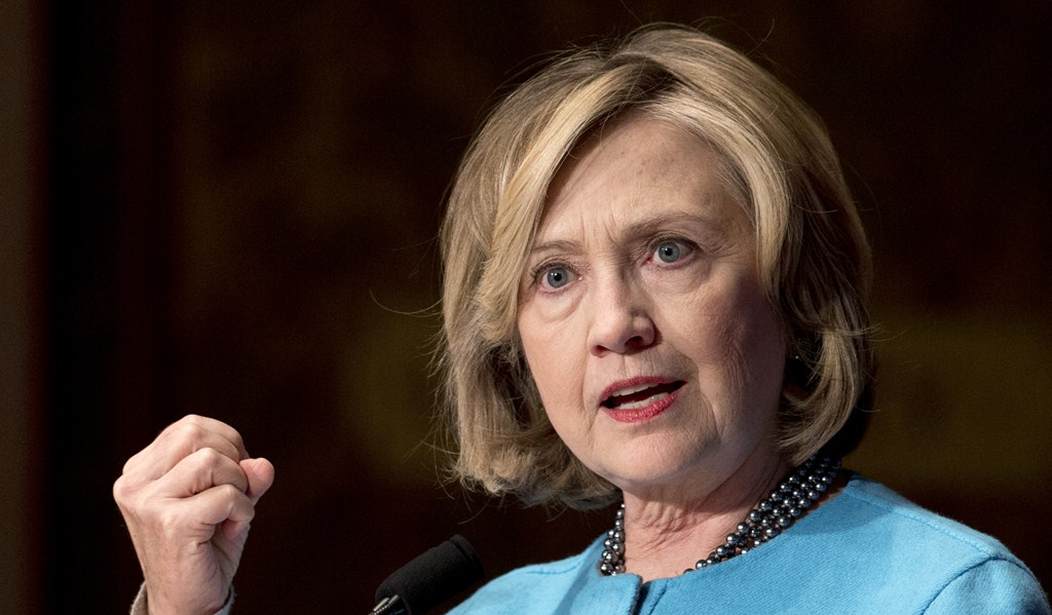
Hillary Clinton will have to explain to primary audiences why she was so late to endorse same-sex marriage. (Suggested answer: secretaries of state don't weigh in on these issues.) But it's not likely to be a visible issue otherwise.
Another cultural issue being raised, hesitatingly, by some Democrats is gun control. It's popular in gentry liberal precincts but, as a recent Pew Research poll indicates, it's losing support nationally. State laws (and court decisions) allowing responsible citizens to carry concealed weapons have not produced the mayhem opponents predicted. Americans, most of whom supported banning handguns in the 1950s, now seem to firmly support the constitutional right to keep and bear arms.
Then there is marijuana. Medical marijuana is allowed in many states, and voters in Colorado and Washington in 2012 and Oregon in 2014 voted to legalize the substance. Legislators are dealing with ancillary problems -- how to regulate retailers, prevent impaired driving, protect children from pot-stuffed brownies. These may prove more troublesome than voters there expected.
But as with same-sex marriage and gun rights, drug legalization is being dealt with by and within the states -- and by private citizens in their daily lives. In the 1950s, homosexual sex and marijuana use were crimes, and voters were ready to make handgun possession one too. Now society trusts responsible individuals to engage in these activities responsibly, and almost all do, though the jury is still out on drug use.
Each of these new freedoms involves an element of restraint. Marriage, same-sex or opposite-sex, confers benefits but imposes responsibilities and legal obligations. Carrying guns, like driving automobiles, means obeying rules limiting their use. Ingesting marijuana, like alcohol, should too, though people are still trying to figure out the rules.
America in the mid-20th century was a nation of cultural conformity, shaped by common experiences in depression and world war. America now is a nation of cultural diversity, allowing behavior that used to seem deviant. But the arguments over these issues seem stale, and those who dislike the changes can keep living by the rules they prefer.
The culture wars have shaped our political alignments, but they don't seem likely to dominate the political dialogue in 2016.


Join the Conversation
VIP members get the ability to comment on articles.