





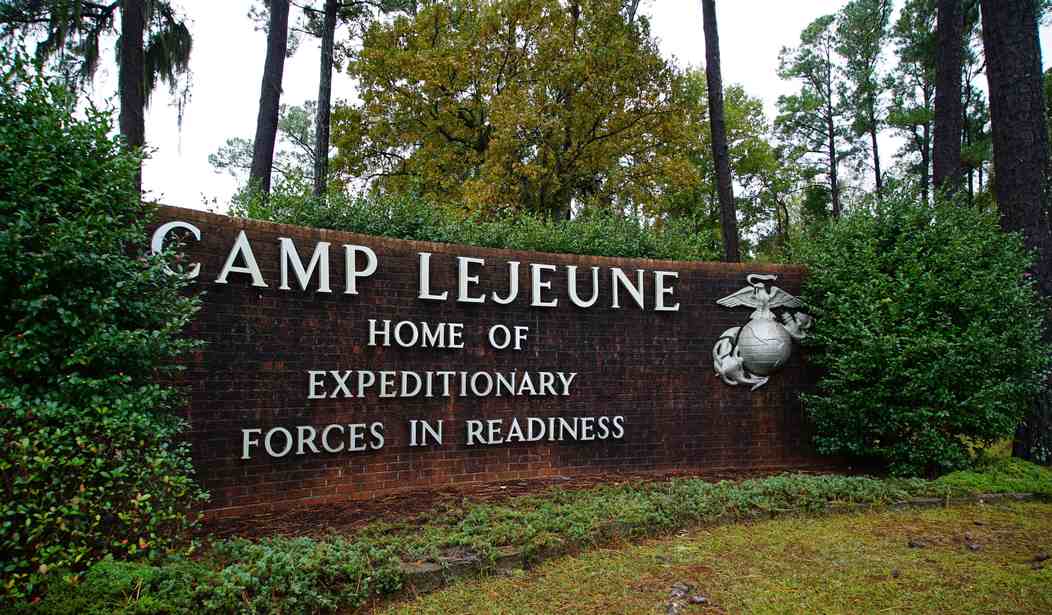
When I signed up to serve in the United States Marine Corps, I expected to face danger on the battlefield abroad. I didn’t expect that the most harmful threat I’d encounter would be here at home, on a military base in North Carolina.
From 1979 to 1983, I lived and served at Camp Lejeune. I drank from the taps, bathed in the showers, brushed my teeth, and cooked my meals with the water on base – just like every other Marine and military family stationed there. What none of us knew was that this water was laced with toxic chemicals linked to cancer and other serious diseases. We were being poisoned on our own soil by the very government we swore to defend – and no one told us.
This wasn’t an isolated incident. Between 1953 and 1987, more than a million people passed through Camp Lejeune. Government officials knew as early as 1980 that hazardous chemicals were in the water supply, yet leaders failed to take action. Instead of shutting down contaminated wells, they chose to keep the base running and leave military families and civilian workers in harm’s way.
In the years since, hundreds of thousands of Lejeune veterans and their families have suffered cancers, neurological diseases, severe autoimmune disorders, infertility, and devastating birth defects. These outcomes were not random. They were predictable – and preventable – consequences of exposure to benzene, TCE, PCE, and other known carcinogens found in the water at Camp Lejeune.
For many of us, the connection between our illnesses and our time at Lejeune was not made until years later. Although Congress mandated the Marine Corps to notify former residents in 2008, many were never notified. As a result, many of us did not seek or qualify for treatment from the VA, forcing us to rely on private insurance or pay out of pocket. Some died before ever learning why they were sick.
That is exactly what happened to me. Years after leaving Lejeune, I was diagnosed with multiple myeloma, a rare and incurable blood cancer that eats away at your bones. In the years since, I have endured hours of chemotherapy sessions, a stem cell transplant, and surgeries to prevent my bones from breaking apart. My life has changed in every possible way.
I’m a lot less mobile than I used to be, and as a former Marine who worked manual labor for years, this has been hard to accept. Thankfully, I have a great employer who was able to transition me to a less physical role, and my insurance covers the lion’s share of my treatment. But one of the medications that keeps me stable costs $12,000 per dose without insurance. When I retire, I may not be able to afford it. Many others already can’t.
Still, I’m a lot luckier than most. I’m still alive. I’m in treatment. I have a supportive wife and employer. I can’t say the same for thousands of Lejeune veterans who have died, experienced immense financial hardship, or been denied the care they deserved.
Last month’s visit to Camp Lejeune by First Lady Melania Trump and Second Lady Usha Vance gave many of us something we haven’t felt in a long time: hope. Their presence signaled that this administration is finally willing to pay attention to our community, stand with the troops and veterans who were harmed, and take seriously the long-overdue need for justice.
What happened at Camp Lejeune – and how our government handled the aftermath – is a national embarrassment. In 2022, Congress finally recognized this failure and passed the bipartisan Camp Lejeune Justice Act, granting those exposed to contaminated water at Lejeune the right to sue the government for damages. Although over 400,000 lawsuits have been filed, only around 1,000 plaintiffs have been compensated.
In the three years since this bill was signed into law, the Department of Justice and the Department of the Navy have used every possible tactic to delay, deny, and discredit our claims. Bureaucratic tactics, delays, and denials have become the norm, despite Congress making clear that victims deserve their day in court. The federal government caused this harm. It has an obligation to address it—fully and without obstruction.
As an ally to our servicemembers and veterans, I urge President Trump and his administration to honor the promises and the intent of the Camp Lejeune Justice Act. Every day the government delays, more Lejeune veterans die without seeing justice. And those of us still here live with constant uncertainty: Will my cancer spread? Will my insurance continue to cover my treatment? Will I have the support I need as my health deteriorates?
That is why the federal government must act now. We already sacrificed for our country once. We should not have to fight our own government now just to survive.
Justice for Camp Lejeune is not a political issue. It is a moral one. And the time to do what’s right is long overdue.
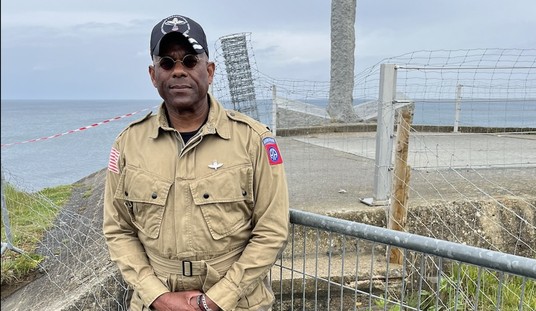
Michael Latourette is a Marine Corps veteran who served at Camp Lejeune and was later diagnosed with multiple myeloma after being exposed to the base’s contaminated water. He is now president of Justice for Lejeune, advocating for veterans and families to hold the government accountable and secure the justice and compensation they have long been denied.
Editor’s Note: Do you enjoy Townhall’s conservative reporting and opinion? Support our work by joining Townhall VIP! Use the promo code FIGHT to get 60% off your VIP membership!


Join the Conversation
VIP members get the ability to comment on articles.