





Election officials are required by state and federal law to clear voter rolls of voters who are deceased, ineligible to vote or moved to another jurisdiction.
Voter rolls get messy quickly when officials appointed to clean them shirk their duties. Such was the case in Florida’s Broward County where it took litigation from the American Civil Rights Union (ACRU) and harsh action by the state executive to force bureaucrats to do their jobs. As the country moves into the 2020 elections there is much to be learned from the Broward story.
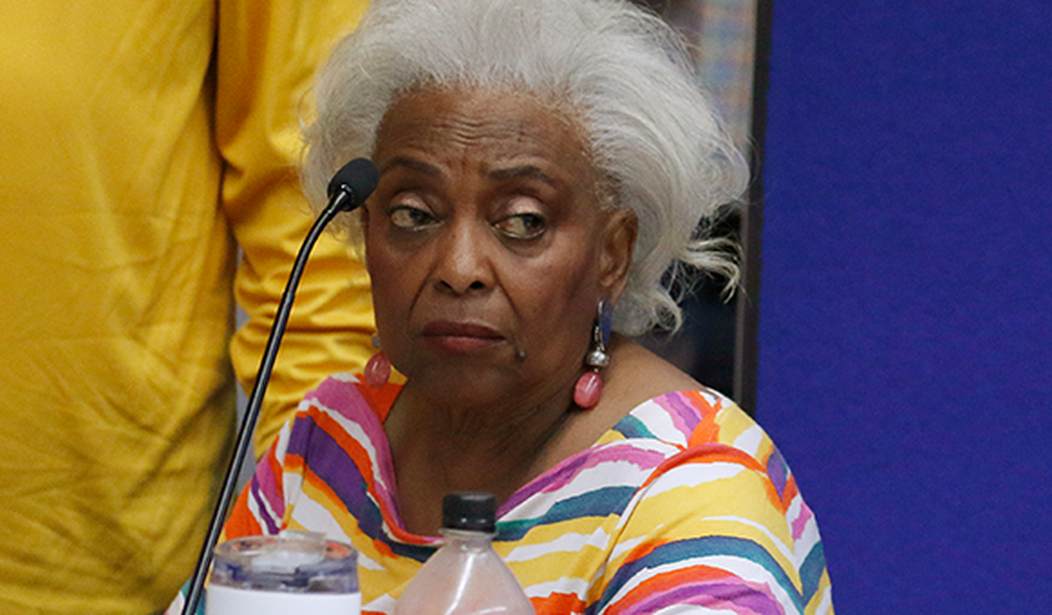
After significant ballot mismanagement by Broward County in the 2016 national election, ACRU was ahead of the curve in suing election supervisor Dr. Brenda Snipes for failing to keep accurate voter rolls. She was later sued successfully by Democrats for illegally throwing away ballots and by the GOP for opening mail-in ballots in secret.
ACRU’s lawsuit cited that in Broward County not a single person—including the deceased—was removed from voter rolls between 2013 and 2015 and a remarkable 97 percent of county residents voted in 2016, well over the national average of 55 percent.
The lawsuit had a significant positive impact, despite disappointing judicial decisions. After the lawsuit was filed, Broward started working on their voter rolls, as they prepared their defense.
In 2018, ACRU presented its case to U.S. District Court of Southern Florida Judge Beth Bloom, appointed to the court in 2014 by President Obama. Judge Bloom determined, despite evidence to the contrary (and after reprimanding Snipes for withholding important documents), that Snipes made “a reasonable effort to remove names of ineligible voters” from Broward rolls.
An appeal by ACRU to the 11th Circuit Court of Appeals was heard this year, but on August 23, the Court sided with Broward and refused to force election officials to actively purge ineligible voters. It arrived at this decision even though judges expressed serious concern that about lack of maintenance between 2013 and 2015 and exceptionally high voter turnout statistics in 2016.
A midterm election was held between these hearings that highlighted massive Broward voting integrity lapses, ending in a chaotic recount between Democrat Senate incumbent Bill Nelson and then-Governor Rick Scott. Votes were reportedly found, lost and found again. There were mutterings of magical ballots located in strange places. Scott’s campaign successfully sued Dr. Snipes for failure to comply with document requests.
Before leaving office, Scott appointed public works expert and native Floridian Pete Antonacci as Broward County Election Supervisor. Antonacci is changing things in Broward by using tools designed to protect voters’ rights that were always available to Brenda Snipes. His actions to reinvent the county as a standard for accurate election results include training poll workers, additional voting machines and using every resource to ensure all Broward voters are legal Broward voters.
The Department of Homeland Security allows states to use its privacy-protected Systemic Alienation Verification for Entitlements database to confirm citizenship status of voters. Under the National Voting Rights and Help America Vote Acts, states have access to motor vehicle bureaus, public assistance, Social Security and Postal Services databases to match addresses and check deaths.
The Sunshine State is also the snowbird state with a unique fluidity of residents who have homes in other locations. This requires diligent focus on voting databases to deter vote fraud, and to that end Florida became the most recent state to join the Election Registration Information Center (ERIC.) This now allows state officials greater access to registrations from other states to identify duplications that enable double voting.
ACRU litigation proved that a little sunshine can go a long way, even when judges are intent on ignoring what seems to be obvious. ACRU continues to maintain that the Congressional intent of the National Voter Registration Act, clarified by the Help America Vote Act, was to require list maintenance to remove all ineligible voters, including non-citizens. Florida is well on its way to doing just that, despite the 11th Circuit decision.
Now it is time to shed light on some other states and counties. Stay tuned.
Lori Roman is president of the American Civil Rights Union, a non-partisan, non-profit public policy organization dedicated to defending the constitutionally protected civil rights of all Americans.


Join the Conversation
VIP members get the ability to comment on articles.