





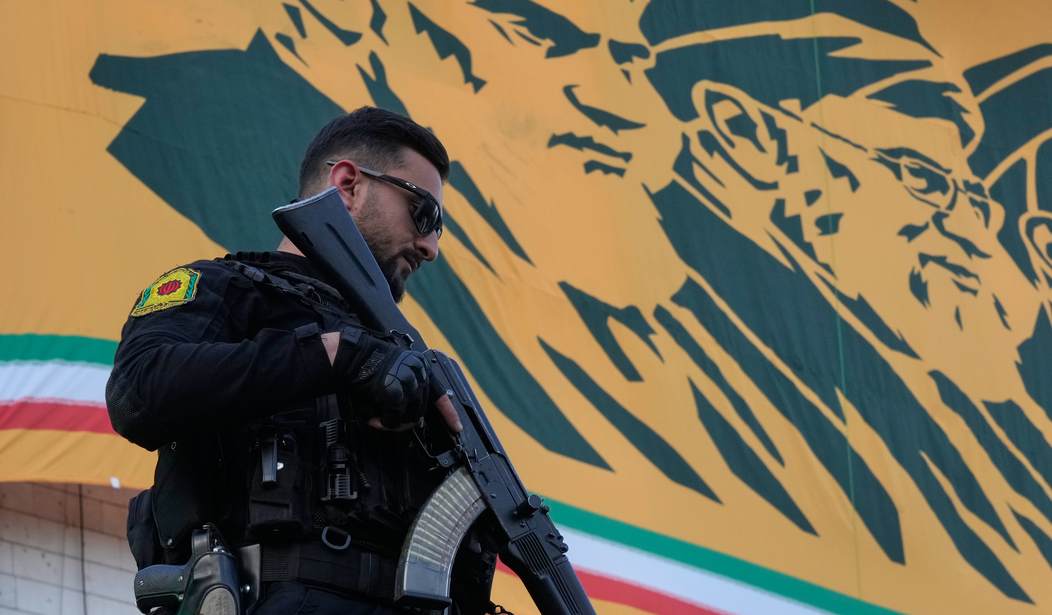
An indefinite ceasefire in Iran was supposed to bring relief. Instead, it has made things worse.
This pivotal pause has allowed the regime to regroup, re-strategize, and reinforce strengthened authority. Naturally, fear has gripped Iran.
These words from an anonymous, terrified Iranian mother perhaps sum up the current situation better than I can: “I am now more afraid than ever for our future, because we don’t know what awaits after this ceasefire, and whether it will lead to even harsher and darker repression than before.”
I was born in Iran at the revolution’s start and am privileged to lead Transform Iran. I’ve seen firsthand how this ceasefire has only worsened the climate of control over the people. Iranians are not happy about the reprieve of war. They are deeply disheartened.
The number of government checkpoints has increased in recent weeks. Executions have intensified. We’ve also received on-the-ground reports of militants recruited from Iraq, Lebanon, and Afghanistan, who allegedly have seized control of the streets, shouting Islamic propaganda slogans to instill an atmosphere of intimidation for the common people, now afraid to leave their homes.
The Iranian government is actively preparing for further attacks, revealing yet again its unwavering global ambitions. In the words of an elderly citizen: “Unlike us Iranians, the United States and Europe do not really know this deceptive government. Even though it has repeatedly deceived the international community, they still sit at the negotiating table with it.”
Meanwhile, the Islamic Republic of Iran has just been welcomed into the United Nations—an incomprehensible new reality.
This esteemed position purports to honor a “body that helps shape policy on human rights, women’s rights, disarmament and counterterrorism.” This is the very antithesis of the Iranian regime’s rulership and driving belief system.
To appoint Iran to this status should alarm us all, especially as the nation’s leadership is keen on actively brutalizing its own women, children, ethnic minorities, and religious minorities. Commensurately, the Islamic regime is and has remained terroristic to both its own nation and others since the birth of its revolution in 1979, nearly 50 years ago.
The reality is that the Iranian government has shown there are no meaningful lines it is unwilling to cross in maintaining its grip on power.
Reports continue to emerge of children subjected to horrific abuses while in custody, including repeated sexual assault. Detainees are executed without trial or legal defense within a system that no longer even pretends to uphold due process. Citizens are currently being coerced into staged displays of loyalty. Meanwhile, the use of child soldiers and extrajudicial violence underscores the regime’s complete disregard for fundamental human dignity.
The economic state worsens daily; for many families, the primary concern is now no longer only about physical safety and the country’s political future, but about basic needs, including the reality of starvation.
Iran’s leadership is anything but moral. This war has only amplified the horrific terrorism toward its own people and abroad. Sadly, this distinction attributed by the U.N. will likely worsen the already heinous reality, as it will certainly ameliorate the global perspective of Iran’s regime and, in turn, dilute existing pressure to change.
As those of us in the West live and thrive in the Land of the Free, we are called to something greater—standing as a hope and a voice for those most vulnerable, a voice that the common people in Iran do not possess.
Still, without knowing freedom, they fight to achieve it at all costs.
We must therefore do everything we can to promote and support change. This includes encouraging our national leaders to push back on any inadvertent strengthening of this regime, both politically and militantly.
A ceasefire that merely steadies the hand of oppression is no peace at all, but a prelude to deeper suffering—and not just for Iranians. The implications are for everyone in the West who stands in the way of Iran’s expressed objective to "export this revolution to the rest of the world." Let's not be fooled into thinking otherwise.
The U.S. has a rare opportunity to make history in Iran—not through silence, but through action. We must stand in the gap: educating others, amplifying their voices, and pressing our leaders to resist any outcome that empowers the regime further.
What follows this ceasefire will not be determined by Tehran alone, but by whether we as a free and strengthened nation will choose moral action over complacency.
Lana Silk is President and CEO of Transform Iran, an organization providing humanitarian aid and support to people inside Iran. Born in Iran on what is known as "Black Friday," the very day of the Islamic Revolution’s start, she later moved to the United Kingdom, where she built a career as a communications strategist. Today, she advocates for the Iranian people and works to raise global awareness of conditions inside the country, including the challenges faced by its civil society and oppressed minority communities.
Editor's Note: For decades, former presidents have been all talk and no action. Now, Donald Trump is eliminating the threat from Iran once and for all.
Help us report the truth about the Trump administration's decisive actions to keep Americans safe and bring peace to the world. Join Townhall VIP and use promo code FIGHT to get 60% off your VIP membership.


Join the Conversation
VIP members get the ability to comment on articles.