





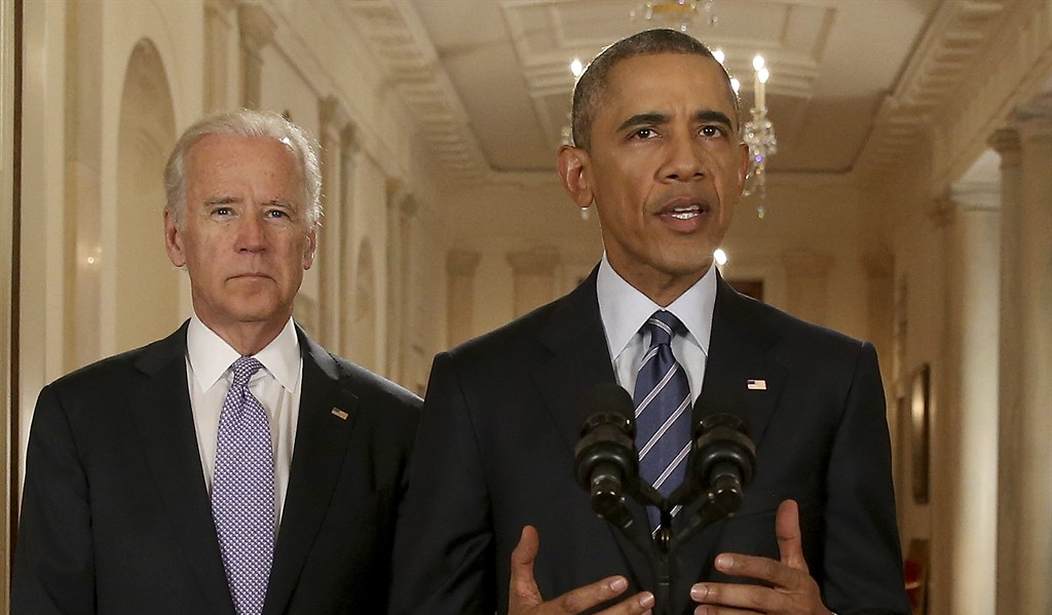
Obamacare! The War on Drugs! A War on Poverty! Prohibition! The idea that government will bring social progress isn't new.
Europe's monarchs believed in big government long before there was a Soviet Union or a welfare state. Eighteenth-century philosopher Voltaire praised "enlightened" monarchs like Prussia's Frederick the Great. Since the nineteenth century, so-called "progressives" have wanted government to get ever larger. They got their wish. The results were not so good for people.
Today pundits and protesters moan about fiscal "austerity" in nations like Greece. But if austerity means cuts in government, there hasn't been much of it.
Sure, Greece cut spending, but only by 3 percent. One in four Greek workers still works for government (vs. one in seven in the U.S.). Greek politicians run government "businesses" that employ politicians' cronies. In other words, Greece has barely begun what I would call austerity.
Paul Krugman deceitfully trashes real cuts and writes that he wants to see "some example, somewhere, of austerity policies that succeeded."
But there are plenty. The Cato Institute's Chris Edwards and Dan Mitchell discussed some at FreedomFest, a giant gathering of people who care about free markets held last week in Las Vegas. Mitchell points out that Ireland, New Zealand, Sweden, Canada and the Netherlands cut government spending and were quicker to recover from economic problems.
In the mid-90s, Canada was going broke, so the government cut its budget by about 10 percent. The growth that followed allowed Canada to cut its debt dramatically -- from about 68 percent of GDP to 28 percent. During that same decade, unemployment shrank. Canada's economy grew faster than that of every other G7 nation. Good things happened not because government spent more, but because it spent less.
The U.S. contains its own version of the Greek debt crisis in the form of Puerto Rico.
A recent island governor tried to cut Puerto Rico's bloated government. Luiz Fortuno fired thousands of workers and made it easier to open a business. The economy improved. But firing workers isn't popular. Fortuno lost the next election and his successor increased spending and raised taxes. Of course that didn't work. Now Puerto Rico can't pay its $70 billion debt.
"Are there any success stories based on tax hikes or bigger government? The answer is no," warns Mitchell.
Progressives pretend they have a technical fix for problems. On a national level, their fixes always involve giving more power to Washington, D.C. That soothes the left, since they love the idea of centralizing decision-making.
For a while, around the start of the twentieth century, technology advanced while government grew. Intellectuals thought the two things must go hand in hand. Government electrified rural areas! It can do anything!
Well, government can do some things, mostly expensive, obvious things, like building interstate highways, guarding borders and going to war -- though government doesn't do those things efficiently. Almost all its projects end up way over budget and behind schedule.
"Centralization of government spending in Washington over the past century has severely undermined good governance," argues Edwards on the site he edits, DownsizingGovernment.org. "Citizens get worse outcomes when funding and decision-making for education, infrastructure and other things are made by the central government rather than state and local governments and the private sector."
Politicians rarely notice the millions of tiny opportunities for people to make progress via new inventions and smarter ways of doing things -- the new app, the robotics start-up, the do-it-yourself metalworking printer.
Instead, politicians' limited imaginations lean toward big government-run projects like building bigger airports (needed or not), more welfare and micromanaging every private workplace.
"Politicians and lobby groups constantly complain that America does not spend enough," writes Edwards. "But they rarely discuss how to ensure efficiency in (government) spending, or cite any advantages of federal spending over state, local and private spending."
Government shovels more money into its big, dumb projects and pretends to build the future. But our future is more likely to be built by thousands of entrepreneurs who make the countless contributions that quietly improve our lives.

Join the Conversation
VIP members get the ability to comment on articles.