






Wars, plane crashes, mass murder -- it's easy to report news that happens suddenly. Reporters do a good job covering that. But we do a bad job telling you about what's really changing in the world, because we miss the stories that happen slowly. These are usually the more important stories.
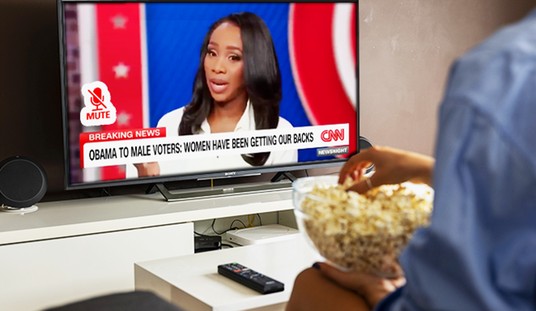
Recently, President Barack Obama was mocked for saying: "The world is less violent than it has ever been. It is healthier than it has ever been. It is more tolerant than it has ever been. It is better fed than it's ever been. It is more educated than it's ever been."
Although these comments received criticism, he was absolutely right. Despite the current violence in the Middle East, the world today is actually less violent than it used to be. In the 21st century, about 50,000 people a year died from war -- about a third the number who died each year during the Cold War and half the number during the 1990s, a decade thought of as a time of peace and prosperity.
People today are healthier. Death rates from nearly all diseases are down so much that we now live, on average, nearly twice as long as people did just over a century ago.
People are also better fed and better educated. (Also, thanks to free markets and capitalism, people are richer. Millions lifted themselves out of poverty. Of course, Obama left that improvement out; it doesn't fit his big-government vision.)
Let's consider the other improvement the president cited: The world is "more tolerant than it has ever been." Tolerance is harder to measure than changes in poverty or deaths from war, but there is little doubt that, in America at least, people are much more tolerant.
Recommended

In just a few decades, life has improved dramatically for blacks, gays and women. When I started reporting, women still had to get a husband's or father's permission to get a credit card. Gays were ostracized. Interracial marriage was still illegal in 16 states. Anti-sodomy laws were on the books until 2003.
Early last century, wife beating was routine. A North Carolina newspaper from 1913 carried a front-page story titled, "For and Against Wife Beating." Most "expert" commentary was in favor of it. One doctor argued, "Beat her, she needs it," and a female advice columnist declared, "It's well known that women love most the men who are cruel."
Today, no newspaper would do a feature story on "whether to beat your wife." Attitudes changed dramatically. But how would a reporter cover that? I suppose one might say, "Today in Pittsburgh, six people changed their opinion about wife beating." But no reporter would write that. He wouldn't know who those people were. Even if he did, such gradual change is not what people consider news.
A car crash that kills a family is terrible news. But gradual improvements in driver behavior, car and road safety, and attitudes about drunk driving should be even bigger news. Driving remains one of the riskiest things we do, but far fewer people die now.
Science that lengthens lives, innovation that enhances them, increased tolerance and fewer deaths in wars are great news. But, day by day, reporters barely cover that. Where would we point our cameras?
The news is biased not just because reporters are politically biased but because most good news happens gradually. We instinctively perk up and take notice if someone says, "The White House made an important announcement today," even if that announcement is trivial compared to slower social changes.
We use the phrase "slow news day" almost as an insult, as though important things aren't happening. This, in turn, affects the way we think about politics. While life incrementally improves, activists promoting almost any cause angrily chant: "When do we want it? Now!"
Bad things happen in an instant. The good news usually takes time. Reporters are usually clueless about it.





Join the conversation as a VIP Member