







The Flores consent decree, one of the primary reasons for the separation of immigrant parents and their children during detention, demonstrates how federal agreements can sometimes tie the hands of government officials trying to do the right thing.
But Flores is just the latest example of a long-standing agreement between a public or private entity and the federal government that requires review. What’s lost in the conversation is how firm the Trump White House has been at sorting through a significant portion of the nation’s consent decrees – not just this one, but thousands – to separate the wheat from the chaff. Not all consent decrees advance the public interest.
While it may sound like an inside baseball term, a consent decree is simply an agreement between the government and parties accused of wrongdoing. Although many decrees adequately solve undesirable market outcomes without litigation, like in any other case of government intervention, there are some that produce negative, unintended consequences that harm the public's welfare.
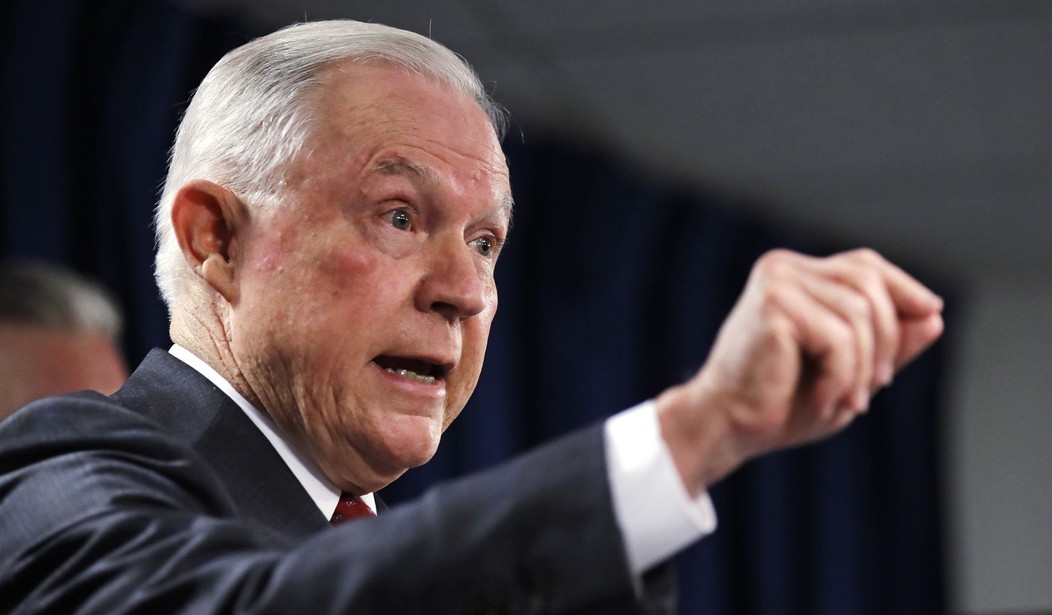
Attorney General Jeff Sessions got the administration’s review process moving a full 14 months ago. After coming across information suggesting that some of the recently-imposed police consent decrees have, by creating a one-size-fits-all approach to criminal justice reform, harmed instead of helped the citizenry, he called on the DOJ to assess the facts by analyzing each one of them carefully, a process that is still ongoing.
Then, Antitrust head Makan Delrahim continued the administration’s unbiased push for consent decree evaluation by beginning a review of the nation’s 1,300 antitrust agreements – a process that has demonstrated objectivity (a welcomed development in our overly politicized environment). Nothing has underscored the need for unrushed deliberation better than the Justice Department’s closed review of the settlement agreements currently in place with the nation’s two largest music collectives, ASCAP and BMI.
Once one examines the facts surrounding these seven-decades-old federal music industry agreements, it is quite easy to see that they exist for the vital purpose of protecting small businesses, ensuring the prevalence of fair market rates from two entities with anti-competitive track records that control the performing rights to nearly every song in the country. At the same time, though, it is easy for conservatives lacking the case details to become hypnotized by right-leaning price-fixing rhetoric and to assume that mandating reasonable rates in an industry where a free market doesn’t exist is the same as, say, Great Depression-era wage and price controls. That’s why studying the facts surrounding each and every one of these decrees is so important.
In fact, in the case of the ASCAP and BMI consent decrees, the DOJ’s in-depth analysis may very well make the difference between retaining and eliminating them. Delrahim, who once suggested that these decrees might be outdated, has ostensibly backed away from his seemingly hardline stance, insinuating that the Justice Department will wait for Congress to complete its assessment of the state of the music industry before finalizing a decision.
Which brings up an important point: How effective will Congress be in the push for consent decree reform and what will it do to improve the process?
Washington obstructionism has been the norm in our nation’s capital for far too long. Today provides a unique opportunity for both sides of the aisle to put away their differences and come together with the White House to solve critical problems facing the most vulnerable members of society.
During the markup of the Music Modernization Act, the Senate Judiciary Committee passed an amendment that sent a clear message to the Justice Department: Consult further with us on the federal music consent decrees so together, we can ensure the interests of consumers are protected. Over the coming weeks, Antitrust subcommittee leaders Mike Lee (R-Utah), Amy Klobuchar (D-Minn.), and the rest of our representatives must do what is necessary to demonstrate the importance of retaining the music consent decrees, followed by working to modify other consent decrees that need reform – and there are plenty of them – in bipartisan fashion.
The American people need relief. Now is not the time to over-analyze the intentions of the Trump administration’s consent decree review. Now is the time to accept the White House’s olive branch and become part of the solution.


Join the Conversation
VIP members get the ability to comment on articles.