







The coronavirus pandemic has exposed that many state and federal rules and regulations were never required in the first place.
Regulations that needlessly restrict liberty, reduce innovation, and reduce Americans' access to care are being suspended all over the country. Since March I’ve compiled over500such examples. These regulations are being suspended in order to provide relief for care providers, hospitals, businesses, and citizens during the coronavirus pandemic.
Governors and other politicians recognize that the mere enforcement of these rules and laws places a heavy burden on some of the most important markets in the United States. Hence, their suspension is deemed necessary in these times of hardship. Ultimately, none of these regulations should have been created in the first place. Under other circumstances, the effects of these regulations go unnoticed because the strength of the market covers the government’s tracks.
The market succeeds despite these burdensome regulations. However, when the market can no longer do that, the government is held accountable for the thousands of regulations they’ve let pile up, which do little to protect people, and a lot to hurt people.
Most states have begun to deregulate and, therefore, expand telehealth services during this crisis. Telehealth involves the distribution of services, the prescribing of certain drugs, and the dispensing of medical information through telecommunication technology. There have always been people who have trouble finding transportation to health care providers, have mobility issues, and lack other resources to access health services. In this way, keeping these telehealth services deregulated will keep health care more accessible for more people.
At least 14 states havewiselysuspended“Certificate ofNeed” (CON)laws. CON lawsdeny medical facilities the ability to expand, buy medical equipment, and even increase their number of beds unless the government deems that they "need" to.
Many states have suspended laws that put strict parameters on health care providers' scopes of practice and paperwork requirements. There were many regulations dictating how many hours these health care providers could work, oddly-specific services they could or couldn’t provide (regardless of knowledge and experience), required oversight of medical professionals by physicians for daily tasks, certain testing requirements, and other restrictions. Nearly every state relaxed these laws, giving health care professionals more leeway in providing care, so long as they had the knowledge required to provide those services. All of theselaws hadserved to limit the amount of care and time provided to patients.
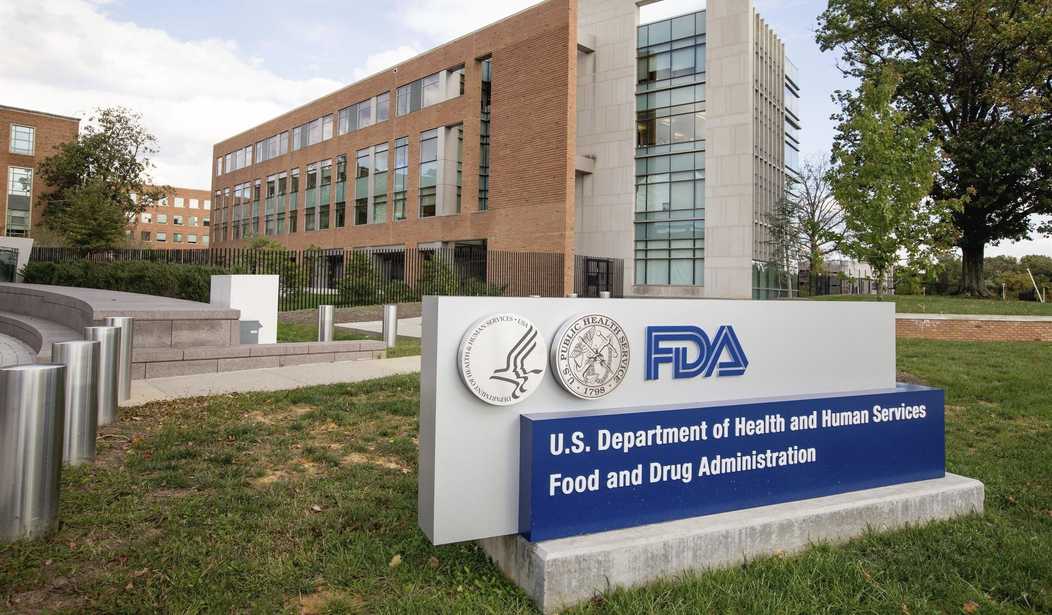
Further, the FDA has been expediting drug and test approvals—a process that usually takes nearly 12 years. Besides those helped by the Right to Try Act and the expanded access program at the FDA, most people will not have access to medication that could help them until over a decade after it’s developed. If the FDA has the capability to cut red tape in this way and expedite certain processes, it can certainly start expediting the approval of other life-saving, pain-relieving medications, tests, and vaccinations. Additionally, the FDA has loosened regulations around state lab testing and test distribution. They deemed these changes necessary to save lives, but the government’s interest in saving lives should not begin and end with the coronavirus pandemic.
On March 16, New York allowed restaurants to sell all forms of alcohol for delivery and takeout. This was a suspension of certain provisions in the 80 year old Alcohol Beverage Control Law, or “ABC” Law, which was implemented in 1934, directly following the end of Prohibition.
This is not the only example of antiquated alcohol provisions. I found over a dozen states that suspended similar prohibitions on alcohol delivery and consumption. For example, not only has Texas allowed alcohol to-go sales during the pandemic, but the state also suspended laws that restricted alcohol and groceries from simply traveling in the same delivery truck.
State governments and the federal government should consider making permanent a lot of these changes. On April 29, Governor Greg Abbott suggested making permanent the aforementioned allowance of alcohol-to-go sales. Hopefully, the other governors and the President follow in the same footsteps.
Regulations and rules are put in place because they are supposed to protect consumers and patients. It's telling that, at a time when people need the most protection, these rules are thrown out. If we can rid ourselves of these restrictions when people are the most vulnerable, it is evident that they were never required in the first place.
Isabelle Morales is communications associate at Americans for Tax Reform.



Join the Conversation
VIP members get the ability to comment on articles.