





"Injustice anywhere is a threat to justice everywhere." - Dr. Martin Luther King Jr.
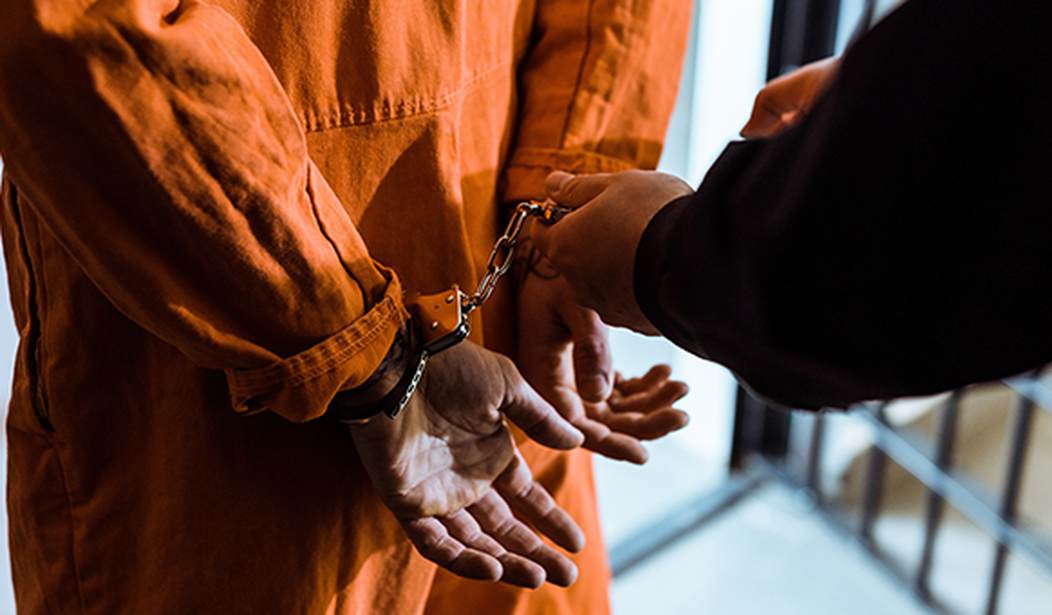
There is a man who has spent nearly 30 years on death row in a Nashville prison for murders that substantial evidence shows he did not commit.
His name is Kevin Burns (KB as he is known). He has written a book with the surprising title "The Best Day of My Life," co-authored by a fellow pastor, Kevin Riggs (KR). I say "fellow pastor," because while in prison "KB" became an ordained minister.
KB's story will be a familiar one to many. A black man who could not afford adequate representation received a court-appointed attorney. According to KB and KR, the lawyer did a poor job in KB's defense. KB says he got in a car with a group of friends and thought he was going to record rap music with them. Instead, they drove to a neighborhood where one of the men had a grievance against another. The men in the car pulled out guns and shot two of the men sitting in a parked car. Both died.
Though KB says he didn't shoot anyone (his fingerprints were not on the murder weapons), he was charged with two counts of felony murder and two counts of attempted felony murder and sentenced to death. Sometime after his sentencing, witnesses came forward and said the description of the killers did not match KB, but it was too late. Other witnesses changed their stories - one twice and the other three times. During a certain point in an appeals process, lawyers can only argue what is on the court record and new evidence is prohibited.
When his case reached the Supreme Court, the justices voted 6-3 to deny KB's appeal. Justice Sonya Sotomayor wrote in dissent: "The Court's decision to deny certiorari (Four justices must vote to consider a lower court's decision) means that Burns now faces execution despite a very robust possibility that he did not shoot (the victims), but that the jurors, acting on incomplete information, sentenced him to death because they thought he had..."
That alone should be grounds for overturning Burns' conviction and either releasing him or giving him a new trial that includes evidence and the cross examination of witnesses that was not properly done at the original trial. Not to mention making sure he has a better lawyer.
According to a 2014 study by the National Academy of Sciences, at least 4.1 percent of defendants sentenced to death are innocent. While not all are executed, most are sent to death row where they remain for years without an execution date. According to the Death Penalty Information Center, "Death-sentenced prisoners in the U.S. typically spend more than a decade on death row prior to exoneration or execution. Some prisoners have been on death row for well over twenty years."
This is indefensible, even by people who favor capital punishment.
The only person who can now save KB is Tennessee Republican Governor Bill Lee. It is a heavy responsibility to hold the life of another person in one's hands, especially when there is substantial evidence that the condemned man is innocent. Gov. Lee has spoken publicly about his strong Christian faith. Part of that faith, Christians believe, includes the type of mercy God extends to every human who truly seeks him.
KB says he has sought and found God. His behavior on death row has been exemplary, according to guards and all who have met with him. Gov. Lee should extend the same mercy he has received to KB and pardon him.


Join the Conversation
VIP members get the ability to comment on articles.