






The messiness of the long-proverbial "mess in Washington" stands out this post-holiday week like a picked and evacuated turkey carcass. To itemize:
1) The tax debate, so-called.
2) The furor over who's to run the Consumer Financial Protection Bureau -- assuming you've heard of this enterprise, which is disliked by many on account of its claimed self-sufficiency and virtual non-accountability to the rest of the government.
If we didn't know before that the federal government is too big for Republicans or Democrats, either one, to bring under control, my, oh, my, we should know it now.
Let me rehearse the sorrowful record.
The tax debate revolves in the Senate around the virtuous ambition of reducing the tax load on business to energize economic activity. The problem, as we have all noted from news accounts, proceeds from arguments over which taxes to cut or to raise in order to keep the 10-year deficit from growing. If Republicans "control" the Senate, they surely don't act like it. A variety of prima donnas have this or that concern they want addressed before the Senate can get together with the House on what to do.
The nub of the matter is that the federal tax code has grown so complex that everybody has a different interest to be shielded from harm: an impossible job in a nation as large and complex as ours.
The federal tax system isn't just a device for financing needed and worthy public services. The modern tax system is everything: our way of life, our motive force. Our regular calls on the federal government for help or encouragement tie us in knots that resist attempts at amelioration, inasmuch as helping one bunch of folks means, inevitably, hurting another bunch. Injuring anyone is the event politicians -- including Republican politicians -- dislike more than any other.
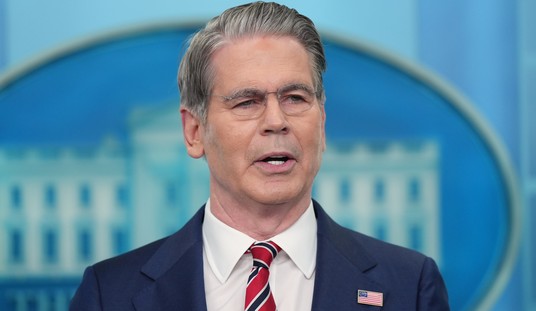
Then consider the Consumer Financial Protection Bureau, whose feats of actual consumer protection we are free to praise or dispute. However, the immediate issue is who in the world is entitled to run it? With its original director, Richard Cordray, gone exploring options for the Ohio gubernatorial race, existing law seems ambiguous as to who takes his place temporarily. President Donald Trump made bold to name his budget director as Cordray's replacement, but Cordray, before heading out the door, claimed to nominate one of his subordinates, who is now suing to keep the job.
Is a president's authority over a federal agency so limited that he can't install his own man without a legal fight? Seemingly. (Nor does Congress control the agency's budget; CFPB gets its money from the Federal Reserve.) What these arrangements do for accountability to the rest of the government is a matter for soothsayers to determine. Common sense suggests that accountability for actions is not the preeminent concern of our leaders. Rather, success -- personal and ideological -- is.
The complexity of modern life and the sheer size of a country far bigger than the original 13 colonies account for some of the difficulty with controlling government. However, not all.
Most of the time, subject to the perceived needs of the moment (e.g., protection of this or that constituency) government takes on an improvisational character. We make things up as we go along, as with Obamacare, speculating less about consequences than about immediate satisfactions attendant on public acclaim.
Because doing anything with government almost always means increasing government's size, cost and complexity, a useful rule of thumb for reformers of any stripe would be: Do as little as you can get by with. Ah, but that ol' dog won't hunt. Political preferences run to the grand and showy, the instantly reward-worthy. Bringing us... well, here, to this moment when the formerly grand purposes of rational government, such as the protection and furtherance of basic human freedoms, sink from sight.
All we know, presently, is that there will be some kind of tax bill -- unless there isn't one. And that Richard Cordray's vacant desk will find some occupant. And the people's business will somehow go forward -- depending on what sense we impart to a formerly bracing, and very American, word such as "forward."


Join the Conversation
VIP members get the ability to comment on articles.