


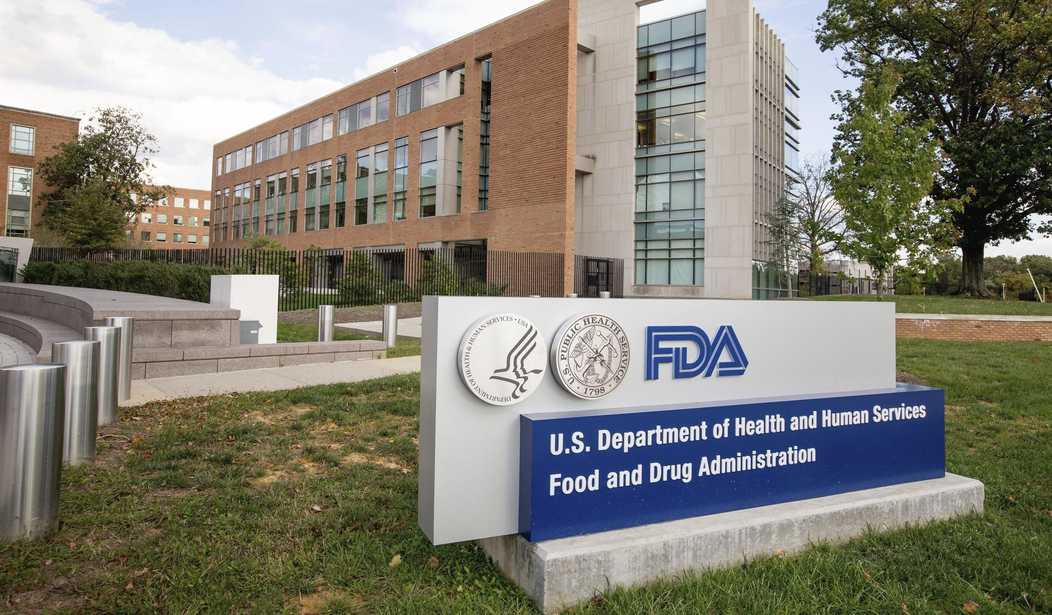
At some point in the next year, the U.S. Food and Drug Administration (FDA) could require tobacco companies to cut nicotine levels in cigarettes by up to 95 percent, forcing nearly 30 million Americans to go practically “cold turkey” overnight. This government-mandated anti-smoking program would be one of the most radical experiments known to date and, sadly, there will be unintended consequences—all while the government withholds products that could help wean smokers off of cigarettes.
These bans would be the most sweeping prohibitions the country has seen in over 100 years. States like West Virginia, Kentucky, Mississippi, and Arkansas could all face a harsh reality when 20 percent of their populations wake up without access to their daily dose of nicotine—potentially catapulting millions of Americans into the painful symptoms of withdrawal.
This new product standard is just another demonstration of the increasing and overbearing control by the FDA. Already, there has been a proposed ban on the sale of all flavored tobacco products, including smokeless tobacco, e-cigarettes, cigars, and, of course, menthol cigarettes. And this proposed ban comes despite research showing many of these alternatives can help people quit smoking, and that products like e-cigarettes are 95 percent less harmful to your health compared to conventional cigarettes.
Historically, the country has made great strides in reducing the number of Americans who smoke. In the 1970s, approximately 40 percent of adults smoked, but as of 2020, that figure stood at a record low of 15 percent—a significant achievement. However, not all Americans are ready to give it up, and they face dark days ahead if the FDA moves forward with its proposed regulation and the side effects that go with it.

When a smoker can’t get their fix, their brain prompts them to experience anxiety, irritability, and depression—all painful symptoms of withdrawal. These symptoms can snowball and impact an individual’s ability to participate in the workforce, school, and other daily life activities.
That’s not to say they don’t want to quit. In fact, research has revealed that 70 percent of Americans who smoke want to stop, but smokers who attempt to quit “cold turkey”—i.e., without counseling or medications—are rarely successful. For every 100 people trying to quit smoking on willpower alone, only about three to five will do so for longer than six months. And then there are those for whom smoking is interwoven with mental health issues. Anxiety, depression, and substance use disorder (SUD) are on the rise in America, and adults with mental illness and SUD smoke 40 percent of the nation’s cigarettes.
Forcing Americans to face their addiction is not only a violation of individual liberty, but it will also cut them off from nicotine without a life raft for recovery. Research has proven that cessation treatments are not always accessible. Not only do uninsured smokers have limited options, but even many insurance plans only cover up to two attempts at quitting. The out-of-pocket costs and co-pays associated with nicotine replacement therapies, counseling, and medications can add up, which may help explain why an estimated 60-90 percent of smokers relapse.
The federal government should not block nicotine or nicotine alternatives. These products are already available in multiple countries across the world, but America could be the first to use 15 percent of its country as a guinea pig to test low-nicotine cigarettes while also blocking the very alternatives that could help smokers wean off their addiction. In fact, studies have shown that extremely low-level nicotine cigarettes may encourage individuals to overcompensate and smoke more cigarettes.
The FDA has already been slapped down at the federal courts for overstepping with its baseless claims that flavored vaping products have increased smoking among younger Americans. In fact, vaping among the youth has significantly decreased, and studies have shown that individuals who use flavored vape are 43 percent more likely to quit. Now, the agency is poised to overstep yet again.
At the end of the day, a large percentage of Americans who smoke do not want to be forced to quit—they want to do it when they are ready and have a social support structure and healthcare professionals in place. Whether it’s tobacco, alcohol, or any other substance, lawmakers should not decide what “risky” behaviors Americans can engage in or when Americans are prepared to address their addictions.
Forcing a nation to give up their dependence overnight without access to other options is a prescription for failure. The nation has proven it is not equipped to address the complexities of addiction, and if anything, has a track record of breeding it.
Amanda Hagerman is a Healthcare Policy Analyst at the Goldwater Institute.









Join the conversation as a VIP Member