





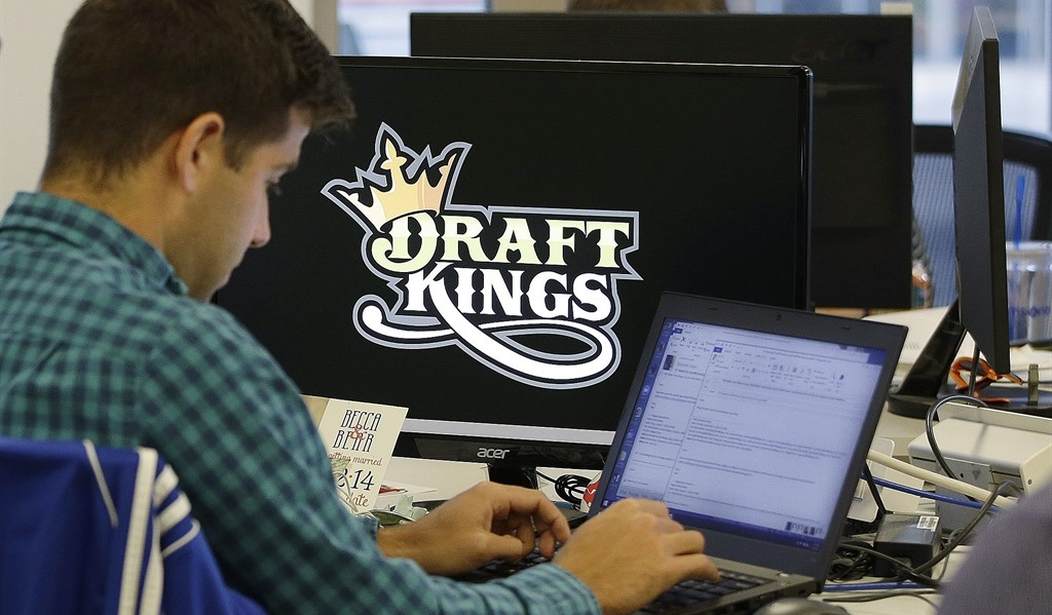
A new era of common sense is dawning in Washington, D.C.—or at least, that's what many voters are hoping for as political tides shift toward pragmatism and away from bloated government overreach. Lawmakers must recognize that not every industry requires federal interference—especially in sports betting.
Since the Supreme Court struck down the federal ban on sports betting in 2018, the industry has experienced explosive growth. Household names like FanDuel, DraftKings, ESPN Bet, BetMGM, Fanatics, Bet365, and Caesars Sportsbook have flourished, encouraging free market competition in this industry. Betting has added a new layer of excitement, helping to fuel the resurgence of some of America's quintessential pastimes.
Crucially, this rapid expansion hasn't happened in a vacuum. States have taken the lead in implementing robust regulations to protect consumers and promote responsible gaming. Many have adopted strict age verification requirements, ensuring that only those 21 and older can place bets. Others mandate that sportsbooks provide responsible gambling resources and contribute a portion of their revenue to problem gambling programs. These state-level safeguards reflect a tailored approach that balances industry growth with consumer protection.
Despite this framework, some in Washington are calling for more intervention. This would undermine the substantial regulatory and tax systems states have already established for licensed operators and introduce federal bureaucracy inefficiencies. Federal overreach stifles innovation, creates unnecessary red tape, and ultimately makes illegal betting platforms more attractive.
If the federal government wants to scrutinize anything, it should focus on the real threats: illegal operators that exploit legal loopholes while sidestepping the consumer protections, background checks, and tax contributions that legitimate sportsbooks adhere to. Shady platforms like PrizePicks (which operates under the guise of "against-the-house" fantasy sports) and Fliff (which uses a so-called sweepstakes-based gaming model) continue to skirt sports betting laws. Dozens of states—including Ohio, Florida, New York, and Michigan—have already issued cease-and-desist letters against such operators, with more states likely to follow suit. If lawmakers are truly concerned about consumer safety, cracking down on these illicit entities should be their priority.
At the same time, the legal sports betting industry must stay competitive. Product innovation and customer experience will continue to influence the market, ensuring that bettors can select the best pricing and promotions across state-regulated platforms. And who better to oversee these operations than the state regulators? Each state understands the needs of its residents and the operators it wishes to have within its borders.
The popularity of sports betting isn't a problem Washington needs to solve. It is a freedom and a privilege that millions of Americans enjoy responsibly. In an era when common sense is making a comeback, lawmakers should focus on draining the swamp of wasteful cronyism and pet projects. If it's legal and regulated by the states, the federal government should simply stay out of the game—and out of our mancaves.
Alex Mooney is a former Republican member of Congress from West Virginia.

Join the Conversation
VIP members get the ability to comment on articles.