



It turns out the Obama Administration's claim that Syrian President Bashar al-Assad used chemical weapons in the ongoing civil war rests on dubious evidence -- from the Post:
Despite months of laboratory testing and scrutiny by top U.S. scientists, the Obama administration’s case for arming Syria’s rebels rests on unverifiable claims that the Syrian government used chemical weapons against its own people, according to diplomats and experts.
The United States, Britain and France have supplied the United Nations with a trove of evidence, including multiple blood, tissue and soil samples, that U.S. officials say proves that Syrian troops used the nerve agent sarin on the battlefield. But the nature of the physical evidence — as well as the secrecy over how it was collected and analyzed — has opened the administration to criticism by independent experts, who say there is no reliable way to assess its authenticity.
The technical data presented by the three Western powers is of limited value to U.N. inspectors trying to determine whether Syria’s combatants used chemical weapons during the country’s 25-month-old conflict. Under the United Nations’ terms of reference, only evidence personally collected by its inspectors can be used to fashion a final judgment.
But no inspectors have been allowed inside Syria, so Western governments have relied on physical evidence smuggled out of the country by rebels or intelligence operatives. Precisely who acquired the evidence and what methods were used to guard against tampering may be unknowable, according to experts experienced at investigating chemical weapons claims.
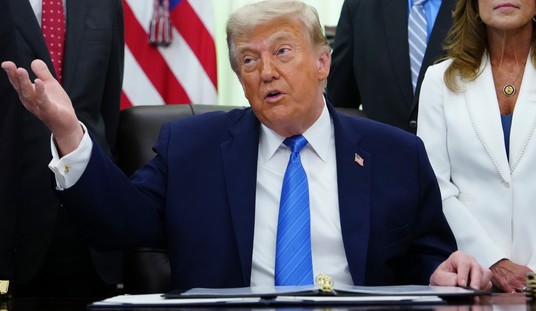
The more we learn, the more we see the President's intervention in the Syrian conflict for what it is: a fool's errand.
As I noted last week, the rebels are unfriendly to American interests and at least as ruthless as Assad if not worse. The Administration aims to identify moderate factions within the rebel umbrella and deliver arms only to them. But since the rebel movement is really just an anarchic hodgepodge of the dissatisfied -- united only in that they are all Sunni Muslims fighting Alawites and other Shiites -- this will be quite an undertaking. Of course, that's before you even consider that these weapons aren't going to stay put. In the real world, weapons move around quite a bit, and a multitude of American arms are sure to end up in unintended hands. To this criticism, the Administration counters that it can reliably track these weapons -- Fast and Furious reminds us this is easier said than done. And what are they going to do if this vaunted tracking system works? It's not like these rebels are going to simply give us back our guns on request.
What's more: this won’t stop at small arms. Once the small arms arrive and make very little difference, the interventionists (bolstered by the ascendance of Susan Rice and Samantha Power in the White House) will dial up the pressure on Obama to do more. Small arms could turn into anti-aircraft weaponry and armored vehicles; then comes a no-fly zone. Who knows where it'll end? With US-Russian relations growing more frigid by the hour and Iran's nuclear program plugging ahead despite its change in leadership, Syria could morph into a true proxy war. Russia and Iran on one side, the West on the other -- implications for the geopolitical balance of power are frightening. If World War I taught us anything, it's that small regional conflicts can flare up into something much, much worse. It's time to hit the brakes on this one while we still can.








Join the conversation as a VIP Member