





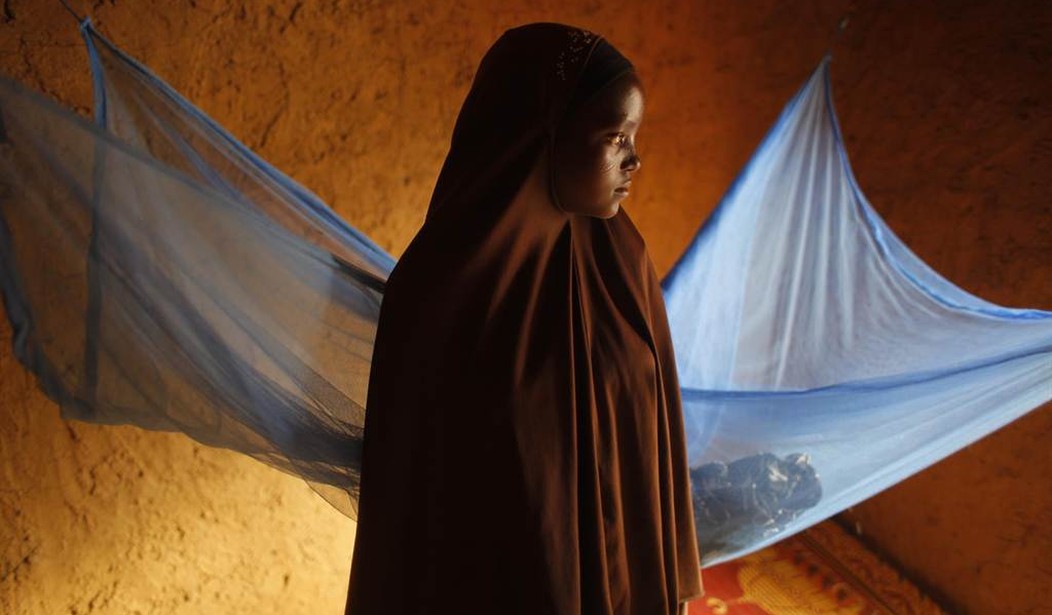
The only two countries in the Middle East without minimum age requirements for marriage are considering laws establishing a minimum age to protect women.
Girls as young as six years old are being forced into marriage in those countries, many enduring rape, physical trauma from intercourse and childbirth, and torture - several on record have died from their wounds or committed suicide. Ensuring minimum marriage laws are passed in these countries is a top priority for many supporters of human rights around the world.
The tragic stories pouring out of these countries in the present day are too numerous to count: A selfish drug addict sells his child daughter to a man four times her age. A thirteen-year-old bled out and died three days after her wedding as a result of sexual violence perpetrated by her husband. The fact that these stories can exist in 2013 is inexcusable.
If Yemen and Saudi Arabia pass laws establishing a minimum age for marriage, they will be the last to do so in the Middle East. However, it is important to note that child marriage poses a serious problem elsewhere in the world and that many non-Middle Eastern countries have not passed a minimum age for marriage law. Sub-Saharan Africa, for example, includes many countries where child marriage is a serious problem and no initiatives are currently on the table for consideration by their leadership.
Activists must also temper their optimism about the power of the law. Despite the fact that a legal framework protecting these children is a crucial first step, it will not be the final one - as we have seen in countries like India and many other South Asian nations with child marriage problems that persist despite protection laws.
In addition, progressive social movements and sexual revolutions in the West have allowed child marriage and legally-sanctioned child sexual agency to continue in the United States, Canada, and Europe. (Shockingly, some American activists want to lower the age of consent to as early as 14 years old, but that is its own debate.)
Although the outcome of the proposals in both Yemen and Saudi is unclear, there is hope that the critical mass of pressure both within the region and internationally will suffice to see the measures through. We must protect our children, and especially our girls, from this most vicious abuse. Our country, world, economy, education, and humanity depend on it.
P.S. For those less familiar with the subject, a brief summary of some of the most prevalent and widespread negative consequences of child marriage provided by PBS are:
- Premature Pregnancy: Child brides almost always bear children before they are physically - or emotionally - ready.
- Maternal Mortality: Girls younger than 15 are five times more likely to die during child birth or pregnancy than older women. Pregnancy-related deaths are the leading cause of mortality for girls aged 15 to 19 worldwide.
- Infant Mortality: Mortality rates for babies born to mothers under age 20 are almost 75% higher than for children born to older mothers. The children that survive are more likely to be premature, have a low birth weight, and are more at risk for contracting HIV/AIDS.
- Health Problems: Premature childbirth can lead to a variety of health problems for mothers, including fistula, a debilitating condition that causes chronic incontinence. Girls with fistula are often abandoned by their husbands and ostracized by society. There are approximately 2 million girls living with fistula, and 100,000 new cases every year.
- HIV/AIDS: Married girls may be more likely to contract sexually transmitted disease, including HIV/AIDS, than unmarried girls. Young girls are more physically susceptible to STD's, have less access to reproductive education and health services and are often powerless to demand the use of contraception.
- Illiteracy: Child brides are often pulled out of school and denied further education. Their children are also more likely to be illiterate.
- Poverty: Child brides - already poor - are isolated and denied education and employment opportunities, making it difficult for them break out of the cycle of poverty.
- Abuse and Violence: Child brides are more likely to experience domestic abuse, and violence than their peers who marry later.
- Mental Health: Violence and abuse can lead to post-traumatic stress and depression.
- Isolation and Abandonment: Child brides are often isolated from their peers and abandoned if they develop health problems like fistula.



Join the Conversation
VIP members get the ability to comment on articles.