







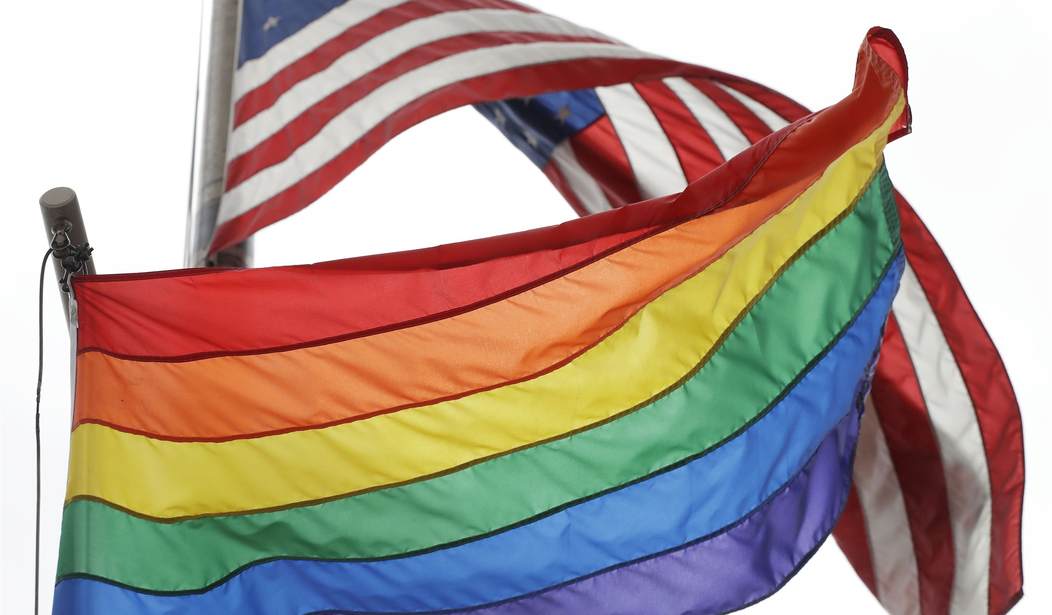
Liberals may be more prone to discriminate then their conservative counterparts.
According to multiple studies completed within the last few years, the personality traits associated with the political left and the political right may not be as clear cut as many would like to expect. The research found that conservatives, not liberals, tend to be less biased when dealing with others.
In a summary of the relevant scientific studies, Cory Clark, Ph.D. in social and personality psychology, wrote, “these results may suggest that we cannot assume that liberals, being more egalitarian than conservatives, treat individuals and groups more equally. They might not.”
Clark details how bias, or unequal treatment, is generally measured between groups, explaining that scholars present study participants with nearly identical, if not absolutely identical, stimuli and simply change a piece of accompanying descriptive information, such as the presenting identical resumes but changing the hypothetical applicants sex, age, or race. This allows for direct inferences to be made about how changes in descriptive details effect how a group is treated.
The results of Clark’s investigation found that more often than not, liberals treated groups less equally, mostly depending on the perceived social status of those in the group.
For example, one study compared how liberals and conservatives reacted to jokes concerning low-status groups versus jokes concerning high-status groups. The results showed that conservatives found both groups similarly funny while liberals found jokes concerning low-status groups significantly less funny.
Another found that when presented with identical passages, with one depicting low-status groups unfavorably and one depicting high-status groups unfavorably, conservatives were more likely to advocate censorship comparably between the two passages, while liberals, were more likely to censor the passage depicting low-status groups as unfavorable.
Other research found that white liberals self-report themselves as less competent when with black partners then with white partners, while conservatives present themselves similarly to both groups.
An additional analysis focused on the amplification of successful athletes on twitter and found that liberals are more likely to share the accomplishments of female and Black athletes while conservatives treated the success of all groups more similarly.
While Clark admits that “These findings are far from a comprehensive overview,” her analysis of the presented date seems to suggest a fundamental difference between how liberals and conservatives conceptualize “equality.”
It seems to be that “liberals,” according to Clark, “prioritize equality of outcomes and view unequal treatment (at least for a time) as a means of attaining equal outcomes,” while “conservatives… prioritize equality of treatment and view unequal outcomes (at least for a time) as an unfortunate side effect.”
In a country as polarized as America, where a person’s political ideology could very well be the most defining factor in how they interact with others, it becomes imperative to understand how the two camps, liberal and conservative, implement equality, and why they might differ.
Join the Conversation
VIP members get the ability to comment on articles.