






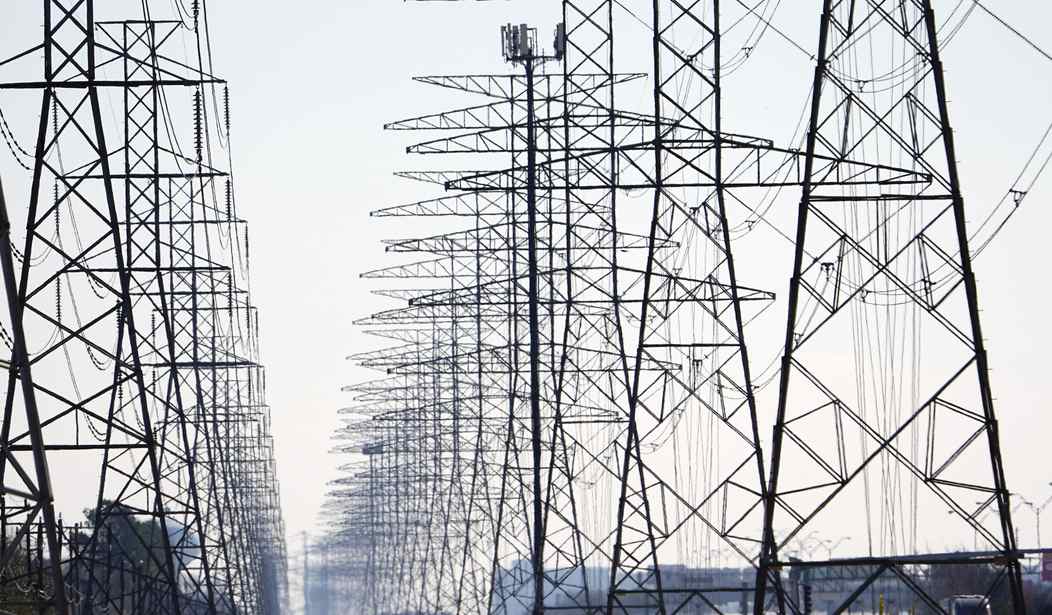
In most portions of the U.S. economy, market competition puts downward pressure on prices, increases investment in innovation, and provides consumers a variety of options of purchases. The benefits of competition are obvious when Americans can shop around for automobiles at car dealerships or when walking the aisles of the supermarket. Competition in energy markets may not be as recognizable as cars or groceries, but Americans should know many of our country’s energy markets have been at the forefront of competition liberalization since the 1990s. As a result, monthly electric rates are lower or stagnant while consumers enjoy more options of energy piped into their homes.
Electric companies are typically regulated by state governments so each jurisdiction has its own regulatory framework for electricity providers. Generally, electric companies fall into one of two categories: “vertically integrated” or “competitive wholesale market.” The former model is a government-sanctioned natural monopoly in which companies are permitted to own all levels of the supply chain: electricity generation, transmission, local distribution and billing. Since vertically integrated companies are granted exclusive franchise with a certain jurisdiction, that means a customer’s zip code is the determinant factor for which company provides the electricity, the blend of energy sources, and the rate cost. Under a monopolistic market structure, the company must be heavily regulated in order to keep rates reasonable and offer consumers ancillary benefits.
On the other hand, a “competitive wholesale” model is a much more consumer-focused approach in energy markets. Under this model electricity is purchased at market-determined wholesale prices from a variety of different electricity suppliers, which allows consumers to choose where their electricity comes from and shop around for the best rate. This form of retail choice is better for consumers than being required to purchase electricity from their local electric utility. This innovative approach is also supported by nine former Federal Energy Regulatory Commission (FERC) Chairs and Commissioners who served under presidents from both parties.
Recommended
Unlike the vertically integrated model where one company is responsible for the whole supply chain, utility companies in the competitive wholesale business are mainly responsible for delivering electricity directly to consumers - no matter where that energy is generated from.
For most of the 1900s, states employed the monopolistic model of delivering electricity to customers, but starting in the 1990s states have gradually transitioned their electricity markets to one that is more free and competitive. Since California implemented the first competitive electricity market in 1998, more than a dozen states have adopted this model and organized wholesale markets have grown to serve two-thirds of the country. Many states, particularly in the Pacific West, Northeast, and Mid Atlantic regions of the United States are the primary subscribers to competitive wholesale electricity structures.
So has more choice in electric markets actually lowered monthly bills? Evidence from policy experts and federal government statistics show that yes, that is the case. Today, wholesale power prices in many regions are at their lowest level in the history of the restructured market—which has helped families and businesses across the economy save money. Weighted average prices in the group of 35 monopoly states have risen nearly 15 percent while in the 14 competitive markets total weighted average prices have declined 8 percent, according to the Retail Energy Supply Association. Data from the U.S. Department of Energy’s Energy Information Administration shows similar metrics.
States in the Southeast are also exploring ways to make their electricity market more competitive and consumer-friendly. In April, a North Carolina legislator introduced a bill to study the Tar Heel State’s utility market structure, with the possibility of joining a southeast collective of utility companies. This legislation comes on the heels of South Carolina passing a similar bill last year.
The march towards more competitive state energy markets is a success story that should be celebrated and highlighted. While some areas of the country still do not offer these competitive advantages to their customers, it seems there is momentum, particularly in the Southeast, to expand these benefits. Exploring whether competitive markets will benefit Carolina consumers is a positive step in the right direction, a step that will benefit consumers most.
Thomas Aiello is the Director of Government Affairs with the National Taxpayers Union, a nonprofit dedicated to advocating for taxpayer interests at all levels of government.







Join the conversation as a VIP Member