






Michael Whatley
About Michael Whatley
Michael Whatley is Executive Vice President of the Consumer Energy Alliance. Previously, Mr. Whatley served as the Chief of Staff for Senator Elizabeth Dole; Staff Director and Chief Counsel for the Subcommittee on Clean Air, Climate Change and Nuclear Safety of the Senate Committee on Environment and Public Works, Principal Deputy Assistant Secretary for the United States Department of Energy, and Counsel to the Senate Republican Conference. Mr. Whatley also served as a Senior Policy Coordinator and Counsel to the Bush-Cheney campaign and transition teams. Prior to his public service in Washington, Mr. Whatley served as a law clerk for the Honorable Robert D. Potter, Senior United States District Judge for the Western District of North Carolina. He holds a JD and Masters Degree in Theology from the University of Notre Dame, a Masters Degree in Religion from Wake Forest University and a Bachelors Degree in History from the University of North Carolina at Charlotte.
Articles by Michael Whatley
keystone XL pipeline
Why Keystone XL Would Be an Economic and Environmental Win
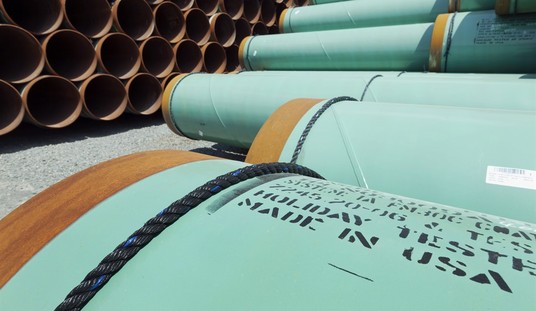
keystone XL pipeline
Keystone XL: Six Years And Still Waiting
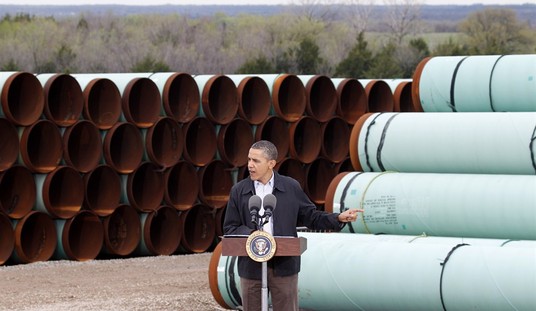
Energy Policy
Obama Administration Missing The Energy In Energy Policy
Advertisement
Advertisement