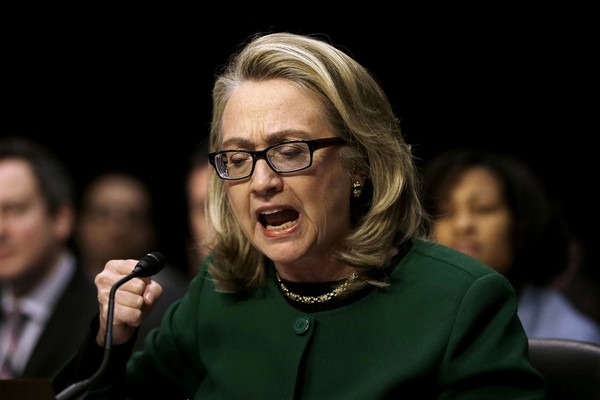
As new revelations underscore the administration's epic incompetence in its handling of the Benghazi disaster and IRS abuses, some Republican voices in the House and Senate, along with pundits of every persuasion, have begun to speculate about "the I word" — impeachment.
Roger’s sad departure from the national scene dramatizes the fact that no reviewer today enjoys that sort of influence or prominence. Networks, along with most local stations, no longer employ regular film critics and efforts to revive the old Sneak Previews format of film clips mixed with bickering commentators have all faded or failed.
On talk radio, in internet commentary and at right wing conferences, worried analysts and activists obsess over the dire electoral consequence of "three million missing Republicans" who doomed conservative chances in 2012.
I recently said goodbye to car I had enjoyed and cherished for several years, repeating an experience familiar to most of my fellow baby-boomers.
As Barack Obama prepares for his trip to Israel on March 20th—his first as President—he might consider taking the opportunity to correct common distortions about the Jewish state that his administration has, on occasion, helped to promote
The 2013 Academy Award broadcast generally steered clear of overt political statements, but two aspects of the occasion demonstrated the movie industry’s strong liberal values.
As President Obama prepares his State of the Union Address and the nation looks forward to a Presidents Day holiday, Americans should consider the warning examples of our worst chief executives.
The Great Gun Debate shows American political discourse at its irrational worst; with both left and right promoting panic and hysteria that distracts attention from the nation’s truly menacing problems. Instead of addressing crushing deficits, economic stagnation, political gridlock, and the erosion of middle-class security, politicians and pundits obsess over gun violence—one of the few challenges where the United States has made dramatic progress in recent years.
The president could break the logjam in Washington and move toward a solution of all budgetary problems if he merely asked every American to contribute 2 cents.
Exhilarated by the record number of women elected to both the House and Senate in 2012, giddy commentators have begun suggesting that increased representation by females could cure the poisonous polarization in Washington and repair the broken institutions of our government. A more sober, comprehensive analysis, however, reveals no historical or logical basis to assume that the much heralded influx of female politicos means an automatic improvement in the dysfunctional performance of the legislative branch.
As Washington staggers into a new year, one side of the political spectrum polarizes and paralyzes all ongoing debates due to its irrational reliance on a higher power.
The sad passing of an early star of right wing talk radio highlights some of the profound changes in news broadcasting and the conservative movement in general. Those transformations may seem lamentable in this season of Republican self-flagellation but actually demonstrate an improved ability for right-of-center arguments to play a significant role in the national dialogue.
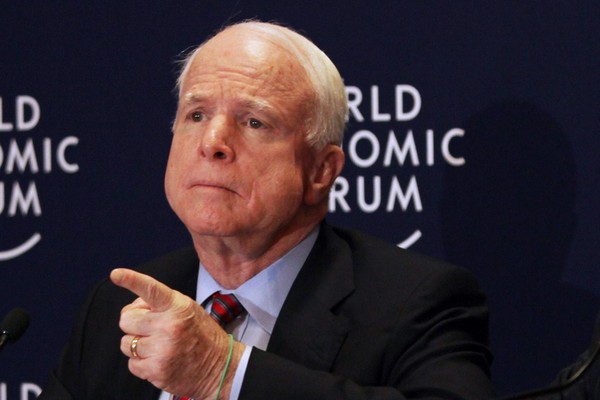
If Republicans hope to break their wretched streak of disappointing presidential campaigns – losing the popular vote in five of the last six White House contests – they should learn crucial lessons from the only candidate in that dismal span who proved notably more popular than his party’s national brand: John McCain.
The Obama administration and its allies are so eager to portray tax hikes on the rich as the solution to all our problems that they desperately desire to persuade the public that tax cuts for the rich caused all those problems in the first place.
Americans have always reveled in nostalgia about the music, fashion or favorite foods of bygone eras, but a sudden yearning for the high tax rates of yesteryear represents a startling new development. While some opinion leaders pine openly for the tax system that once claimed a big majority of income from top earners, their cozy, communitarian vision offers a deeply distorted view of those good old days.
In the debate on our fiscal crisis, one crucial question is never answered or even asked: if we’re supposed to go back to Clinton-era tax rates because they were good for America, why don’t we simultaneously return to that era’s spending rates?
Some fringe conservatives seem perversely determined to turn a stinging electoral defeat into an epic, sweeping disaster. That’s the deeper meaning of current talk about impeachment, secession, third parties, civil disobedience, and onrushing apocalypse.
To paraphrase the traditional Passover formulation honored in Jewish homes: why was this election different from all other elections? What makes 2012 stand out in recent political history, either as a temporary anomaly or a significant, long-term shift in the electorate?
No matter who wins the presidency on Tuesday, one outcome is all but certain: Barack Obama will draw less support and fewer votes after four years as president than he did as an untried, little-known, freshman senator from Illinois. In other words, the more the American people know about this particular politician the less they seem to like him.