





One of the most important lessons learned during the 20th century is that prohibition does not work, especially the prohibition of alcohol. However, there are those who still believe that Prohibition led to good outcomes, or that it can work if only it is done better this time.
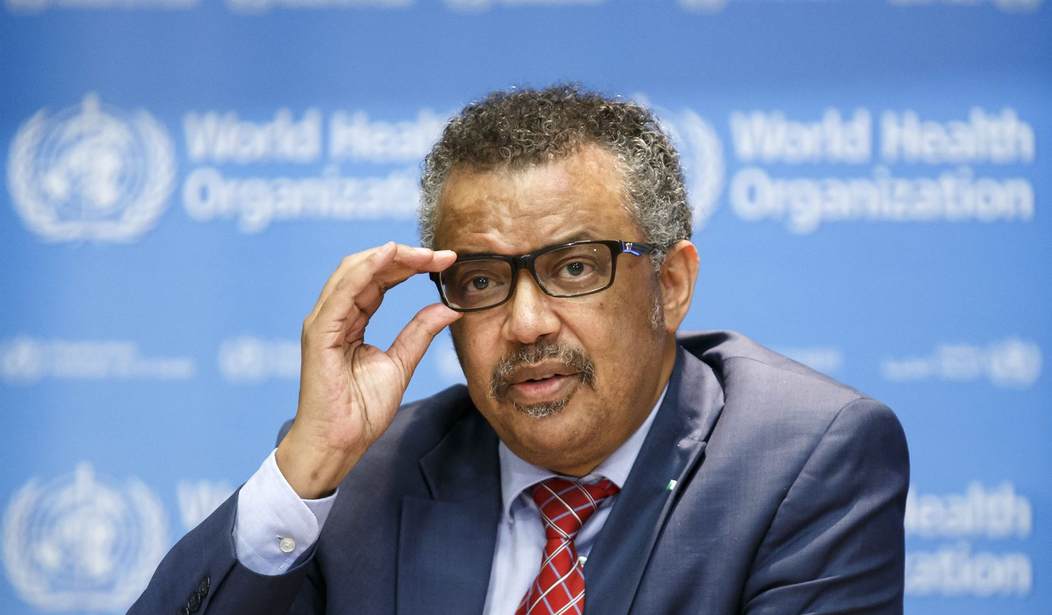
The 18th Amendment of the U.S. Constitution ushered in alcohol prohibition in the U.S. between 1920 to 1933 and is the only Amendment that has been repealed. The repeal required the consent of two-thirds of states to do so. Despite the repeal, many of the same temperance organizations formed in the 19th century to campaign for Prohibition are now advising the taxpayer-funded World Health Organization (WHO) on their new Global Alcohol Strategy.
The WHO just published the latest version of its alcohol plan after the previous draft caused a storm of criticism after advocating the “prevention of drinking among pregnant women and women of childbearing age.”Women’s groups naturally objected to the idea.
The new plan has not only dropped this wording but has also abandoned a goal in its 2010 report to reduce alcohol harm by 10 percent. Instead, it now commits to a target of “at least a 20% relative reduction (in comparison with 2010) in alcohol per capita (among those aged 15 years and older) consumption by 2030.” Not a reduction in alcohol harm, but in alcohol consumption.
This would appear to harken back to the Total Consumption Model (TCM), a population behavior theory (popular from the 1950s) which suggests the number of people who drink to harmful levels in a population is dictated by how much the whole population drinks on average. Therefore, if the amount of alcohol consumed in the population is reduced, the harms of alcohol will be reduced too.
Just a cursory examination of this theory suggests it is not that simple. It is fair to assume that simple elasticity of demand is not sufficient in the case of alcohol. Those who drink to excess will be far more likely to continue their purchase patterns regardless of measures to tax or restrict alcohol sales, or to make it less available. The logical end result of this policy would be moderate drinkers drinking less with little or no effect on those for whom drinking is particularly harmful.
Recommended
Research in modern times agrees and the TCM has been largely discredited, but not by the WHO. Though, this is not surprising given the advisors to the WHO’s alcohol strategies
The report’s consultation documents were peppered with submissions by temperance organizations. For example, Movendi International boasted on its website that it coordinated “40 consultation contributions – meaning approximately one-third of civil society submissions.” Movendi was formerly known as the International Order of Good Templars, formed in the U.S. in the 1800s with the express purpose of campaigning for prohibition of alcohol. The WHO also has an agreement with Movendi to collaborate on producing documents to deliver the alcohol strategy, and to participate in each other's meetings.
For temperance campaigners, reduction in drinking by anyone is a win, regardless of how much they drank to begin with. The temperance movement has very little public support and there is no public demand for wide-ranging restrictions on alcohol use in the U.S. or anywhere else, but that has never deterred bureaucratic nanny statists.
If the WHO is concerned with harms from alcohol consumption, it should be focusing on harms, not on consumption. There would be more important things to worry about, such as illicit alcohol supply by criminal gangs eager to fill the gap, if heavy restrictions on global alcohol use are applied to meet the unrealistic global target of 20 percent reduction in alcohol consumption by 2030. This is clear from the U.S. experience of Prohibition a century ago. Or worse, dangerous unregulated distilleries would pop up which would kill significant numbers of people in jurisdictions with temperance-led approaches to alcohol. However, the WHO’s strategy barely mentions the threat of illicit supply at all.
It is concerning that the WHO is taking so much heed from a temperance lobby that most people thought had dissolved after the abject failure of the 18th Amendment. Sadly, an unwilling public is likely to suffer from the lessons that the WHO seems intent to ignore from history. And remember, all of this misinformation is being funded by taxpayers.
Martin Cullip is the International Fellow at The Taxpayers Protection Alliance's Consumer Center and is based in South London, UK.






Join the conversation as a VIP Member