


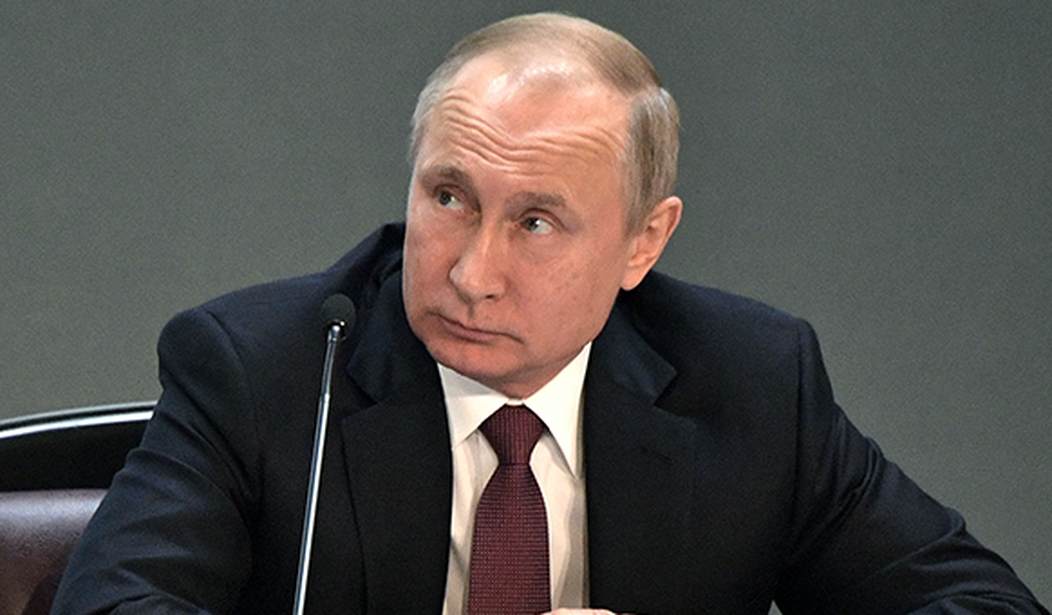
This past week was not a good one for Russia, as the European Union decided to extend sanctions against Russian goods as well as the country’s energy, defense and financial sectors for six months for not adhering to the terms of a peace agreement with Ukraine.
The current sanctions were originally levied after Russia annexed Crimea in 2014. In the years since, skirmishes related to the event have taken the lives of over 14,000 Ukrainian troops and Russia-backed separatists.
In addition to the extension of sanctions, this week saw Latvia, and its media watchdog group, The National Electronic Media Council (NEPLP), ban Russia's news network RT from being distributed in the Baltic nation.
Latvia claimed the move was made as a result of the international sanctions currently in effect against Dmitry Liselyov, the man they believe is the head of the Russian state-sponsored TV network. Kiselyov is the head of the state-controlled Rossia Segodnya media group. After the ban was announced, he claimed that he has never overseen RT and demanded Latvia apologize to RT and cancel the move.
Interestingly enough, this isn’t the first Latvian ban on Russian TV, as the NEPLP issued bans against 10 other Russian TV stations, including Rossia RTR and Dom Kino in 2019, for what they called "systematic hate speech and warmongering against Ukraine, including open calls to kill Ukrainian citizens."
Blame was also placed on Russia by the Democratic party, as they spent years attempting to nullify the 2016 presidential election that saw Donald Trump defeat Hillary Clinton. As a result of the various investigations that started in 2017, Russia was also hit with election-themed sanctions against 15 members of a Russian intelligence service as well as four additional entities the U.S. Treasury Department says were involved in election interference and the hacking of the World Anti-Doping Agency.
Recommended
Against that backdrop, new talk of additional sanctions against Russia, this time for illicit cyber activity, is in the news again regarding an incident that occurred in 2015 involving Germany. At this time, Russian officials have stated that there has not been sufficient evidence presented by the German government to support charges that Russian military hackers compromised the German Parliament’s Network.
In May of this year, a warrant was filed by Germany against a Russian hacker named Dmitriy Sergeyevich Badin, who the German government says was a member of a hacking outfit named APT28. APT28 operates under aliases that include Sofacy Group, Fancy Bear, STRONTIUM, Sednit, Pawn Storm and Tsar Team. The Deputy Foreign Minister of Russia, Vladimir Titov, said that after more than a month, the German government has still failed to provide evidence of Badin's involvement in the hacking attack. That evidence is needed to fulfill an extradition request.
German Chancellor Angela Merkel has been vocal regarding the Russian threat and told the German Parliament, "I can honestly say, it pains me. On the one hand, I strive daily for a better relationship with Russia, but then on the other we see that there is solid evidence showing that Russian forces are also involved in such activities. This really does add tension to our work towards and our desire for better relations with Russia. It's also an issue I can't quite dismiss internally, I find it quite uncomfortable."
Back in 2015 however, Merkel was heavily criticized by both supporters and the opposition for her government’s lazy response to the hack. In particular, the delays that were seen in notifying relevant parties of the attack. Some government officials were immediately notified on May 12th of 2015, while parliament was not informed until weeks later.
In the aftermath, Opposition Greens Spokesman on Network Policy, Konstantin von Notz, accused Merkel of sleeping on the issue and one of Merkel’s allies from Bavaria, Stephan Mayer, told the German tabloid Bild that, "In view of the seriousness of the attack, information should have been prompter and more insistent."
The coming weeks should bring either hard evidence or sanctions that are arbitrarily handed from either Germany, the EU or both. But for Americans watching from afar, this drama is somewhat reminiscent of the Russian collusion narrative that the Democrats spent the last few years blaming for Hillary Clinton’s 2016 election loss. A matter we may learn more about in the coming months, as Hillary Clinton prepares to testify regarding the deletion of her subpoenaed emails.
Julio Rivera is a business and political strategist, the Editorial Director for Reactionary Times, and a political commentator and columnist. His writing, which is focused on cybersecurity and politics, has been published by websites including The Hill, Real Clear Politics, Townhall and American Thinker.





Join the conversation as a VIP Member