





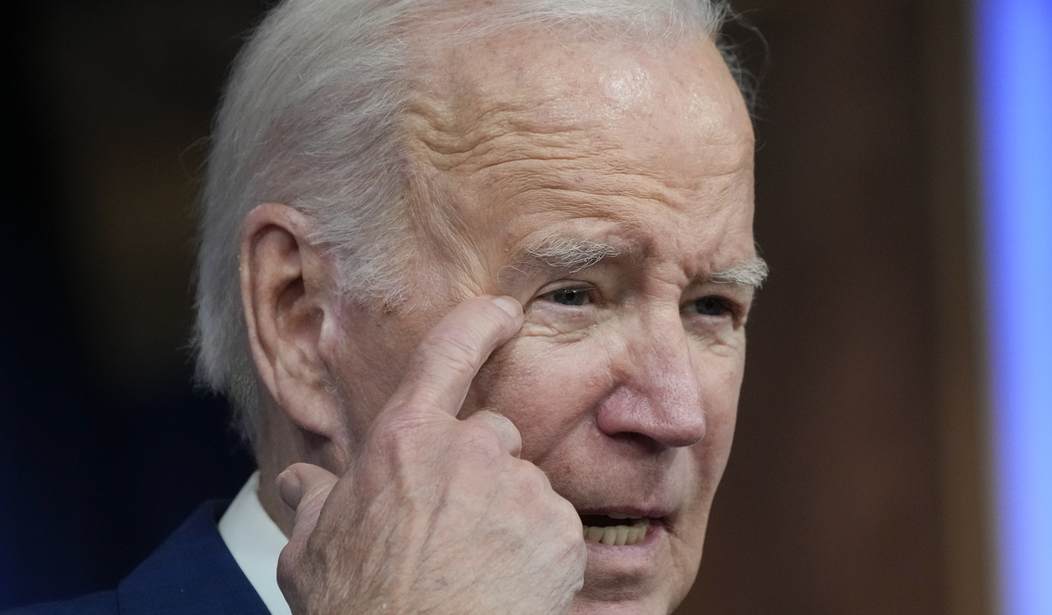
Our politicians are old. A recent poll showed that an overwhelming majority supports a maximum age for holding political office, and the reasons for this support make perfect sense. Several of our political leaders show a clear trendline downward in their cognitive and physical capacities. Within the last month, California Senator Dianne Feinstein passed away at 90. Senator McConnell, 81, has twice had an episode in public that must make us all wonder about his long-term health. Others are not far behind: Charles Grassley, the senior senator from Iowa, is 90; Charles Schumer, the Senate Majority Leader, seems spry by comparison at 72; President Biden will turn 81 next month.
Those occupying a federal office exercise the people’s power. The people deserve public servants with the mental ability to think and thus act wisely. They also deserve officeholders who possess the vigor to put in the work required to serve the nation in legislative, executive, and judicial functions.
Should we address this developing problem with a standard age at which our officeholders must retire? No. Despite the disadvantages of our current gerontocracy, we should not impose a maximum age cap on political office.
First, it likely will not happen despite its polling popularity. Doing so would require a constitutional amendment, and it seems unlikely that two-thirds of each chamber of Congress, or three-fourths of state legislatures, would sign off. Too many of them might worry their political careers might be cut short.
Second, age presents too variable a factor in assessing competence to fill a public office. Some persons decline early in their intellectual and physical abilities. Others remain stout on both fronts, well beyond the norm. For the first group, a standardized age maximum would prove inadequate since their decline would come before it.
For the second group, the age rule could prove detrimental to the country by denying those persons the chance to continue in office or even to obtain elected office late in life. Doing so could deny voters the person they most want holding a place in the House, Senate, or the White House. In that restraint, we might lose out on the man or woman most needed for a crucial hour in the country’s life. We have had important moments where essential statesmen guided our country away from chaos and possible dissolution. Who else but Washington could have led the country as the first president? Who else but Lincoln might have successfully steered us through the Civil War and toward emancipation? Should age alone have been a deciding issue if these men had been older than they were?
Recommended
This rejection of a maximum age does not mean no solution exists. Instead, the best remedy lay with the voters themselves. They should assess whether age matters or not for a particular office and candidate seeking it. They should vote out those politicians who, due to their age, show they can no longer fill their posts adequately. This should be a factor even for those politicians who might share our policy preferences. Competence matters in addition to holding the correct views, and age is an important feature of competence.
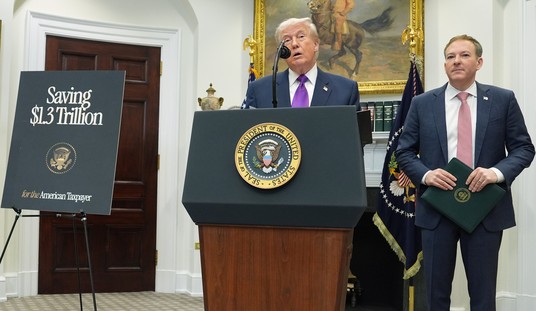
The matter of age should play a role in our next presidential election. In 2024, we appear headed toward a choice between our current, nearly 81-year-old president and a then 78-year-old former chief executive. President Biden shows clear, undeniable markers of mental decline. He is not up to the strenuous task of his office. But we should ask similar questions about former President Trump, especially considering he would be older than Biden is now upon the completion of another term. He does not have the same level of decline as his opponent. But some say at his age, decline can accelerate swiftly.
Thus, let us take seriously the problem of age besetting America in its current leadership. But let us take the right route in addressing it. Let us exercise self-government, determining with our votes who should lead us into the future.





Join the conversation as a VIP Member