







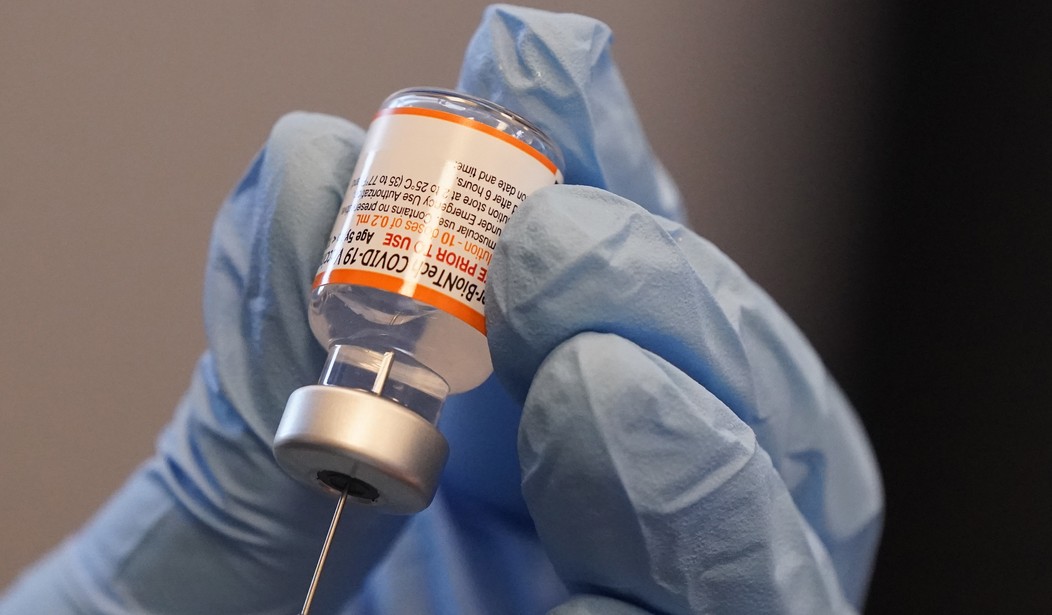
If you consumed just mainstream media coverage, you'd think the emergence of new variants and ongoing seasonal surges of the Wuhan coronavirus were paralyzing the nation in fear. As it turns out, people aren't buying as much of the frenzied coverage these days, at least according to new polling from Gallup.
The survey was conducted November 1-16 and released on Tuesday and shows that fewer than half — just 45 percent — of Americans rate COVID-19 as the "most urgent health problem facing this country at the present time." That number is down from 67 percent a year ago, showing the Wuhan coronavirus is still top of mind for Americans, but they don't view it as urgently as they did previously.
47% of Americans earlier in November noted that COVID-19 was the most urgent health problem facing the U.S. https://t.co/9yNAICpVxi
— GallupNews (@GallupNews) November 30, 2021
Interestingly, the drop was most dramatic among Democrats, according to the data. "In November 2020, COVID-19 dominated Democrats' and independents' perceptions of the most urgent problem, with 81% and 70%, respectively, naming it," Gallup's report explains. "At the same time, a bare majority of Republicans (56%) saw the virus as the leading health problem."
But now, a year later, "Democrats' and independents' concern has fallen more than 20 percentage points, to 57% and 42%, respectively" while "Republicans' concern has declined by less than half as much, to 45%."
The decrease in worry about the Wuhan coronavirus from Democrats brought their level of concern closer to Republicans, and the only significant variables that changed were the wide availability of vaccines and a different president in the White House.
Still, the 24 point drop for Democrats and 28 point drop for independents compared with the 11 point drop among Republicans suggest that Republicans were more resistant to the flurry of panic that was seen among Democrats but has now subdued.
So, does winning a presidential election mean fewer Democrats think COVID is a pressing issue? It seems like that was a factor. Is it a result of the mainstream media's all-out war against President Trump and his administration's handling of the pandemic that largely subsided once Joe Biden took the oath of office? That too, would make sense.
Perhaps more than framing what Americans think about the Wuhan coronavirus, the latest data from Gallup sheds light on how Americans — and Democrats in particular — react to the narrative created and propagated by mainstream media. It also suggests that, when it came to COVID, Republicans were much more even-keeled in their reaction and processing of the threat it posed.


Join the Conversation
VIP members get the ability to comment on articles.