




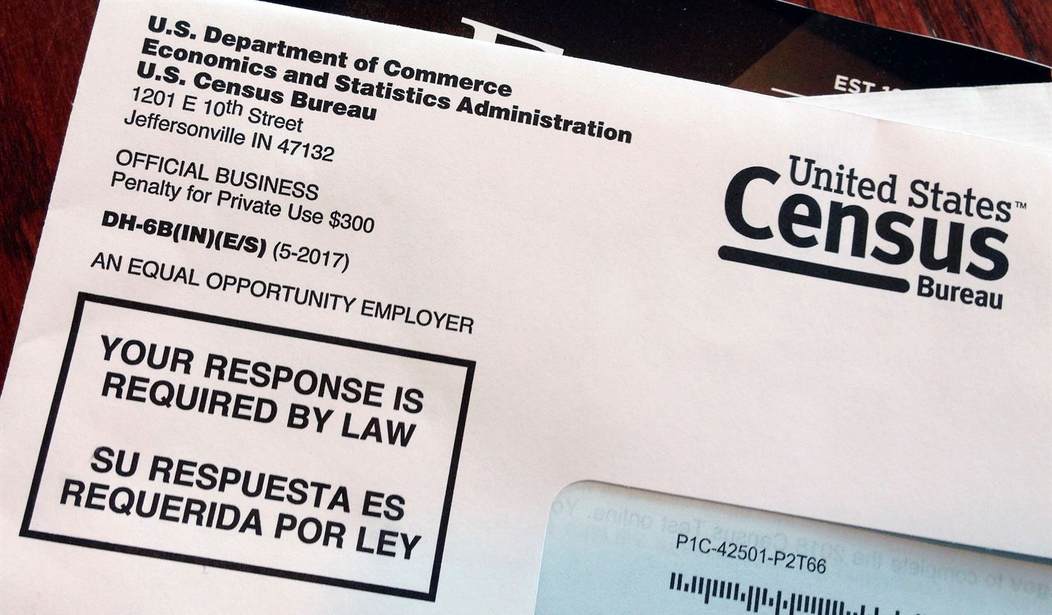
The United States Census Bureau announced the results of its decennial count of the American population Monday afternoon. According to census officials, the United States counted 331,449,281 among its population, an increase of 7.4% since the last census was conducted in 2010.
The first results of the #2020Census are in! Watch our live virtual news conference here: https://t.co/RHvocjkXow #Apportionment #CensusBureau pic.twitter.com/DcpOkjbwz8
— U.S. Census Bureau (@uscensusbureau) April 26, 2021
The U.S. population growth from 2010 to 2020 is less than the previous 10-year period that saw a 9.7% increase between 2000 to 2010. Regionally, the South grew the most with 10.2% growth from 2010 to 2020, while the West grew 9.2%, the Northeast grew 4.1%, and the Midwest grew 3.1%. Utah was the fastest-growing state with an 18.4% increase while West Virginia showed the largest rate of decrease at -3.2%.
In addition to seeing population movements, the census also decides apportionment, the process of determining how many members each state is represented by in the U.S. House of Representatives.
As a result of the 2020 count, a total of seven congressional seats will be shifting among 13 different states, according to the U.S. Census Bureau—the smallest number of seats shifting among the states in any decade since 1941.
Texas gains two congressional seats, while Colorado, Florida, Montana, North Carolina, and Oregon each gain one seat. The shift means that California, Illinois, Michigan, New York, Ohio, Pennsylvania, and West Virginia will each lose one House seat.
In response to a question during Monday's briefing, census officials revealed that if just 89 more individuals had been counted in New York while the data from other states remained constant, the Empire State would not have lost any congressional seats in the apportionment process.
Recommended

The Census Bureau just released the first #2020Census results, which included the number of seats each state will have in the U.S. House of Representatives. Here are the results ?? https://t.co/RHvocjkXow #Apportionment #CensusBureau pic.twitter.com/2QuyrHccDJ
— U.S. Census Bureau (@uscensusbureau) April 26, 2021
Even though California loses one seat as a result of the 2020 census, it remains the state sending the most members to the U.S. House with 52 seats, followed by Texas (38 seats), Florida (28 seats), and New York (26 seats).
Each member of the U.S. House will represent an average of 761,169 people following reapportionment, an increase of about 50,000 constituents for each member of congress over the 2010 census average.
The apportionment data revealed Monday decides the nation's congressional map until the next census is conducted a decade from now, with the new map impacting the 2022 midterm elections as well as the number of electoral college votes each state will cast in the 2024 presidential election.












Join the conversation as a VIP Member