





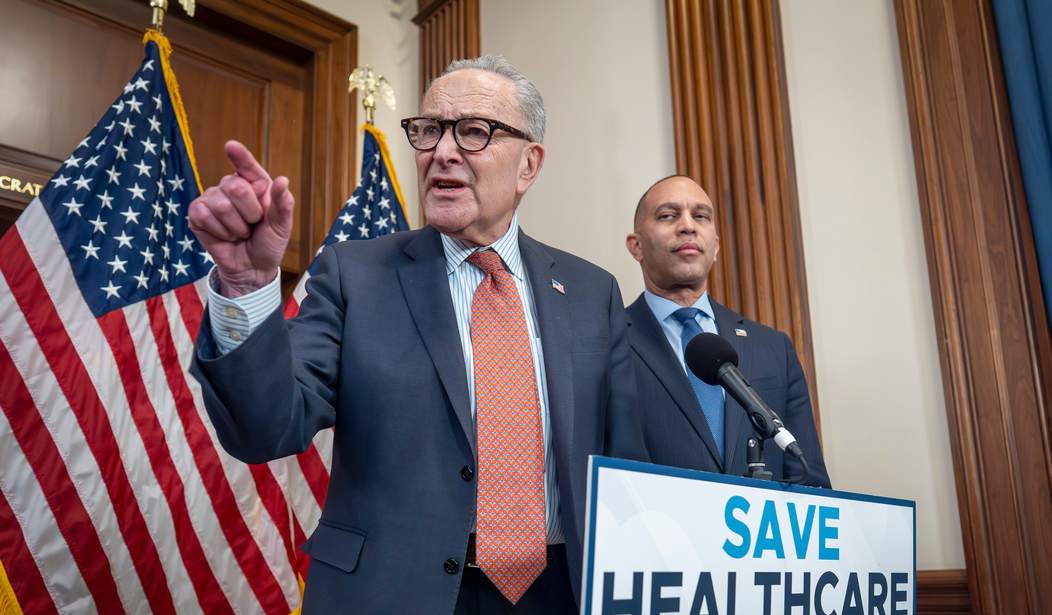
The U.S. House voted 224-202 on H.R. 1834, a Democratic bill to extend Affordable Care Act premium tax credits through 2028, with 11 Republicans joining Democrats despite party opposition.
The Congressional Budget Office estimates that enacting H.R.1834 would increase the number of people with health insurance by 900,000 in 2026, 3 million in 2027, 4 million in 2028, and 1.1 million in 2029, relative to current law.
The 4 million increase in 2028 would result from changes in several types of coverage:
- 6.2 million more people would be enrolled through the health insurance marketplaces established by the Affordable Care Act,
- 0.4 million more people would be enrolled in Medicaid and the Children’s Health Insurance Program combined,
- 0.5 million fewer people would purchase nongroup coverage outside the marketplaces, and
- 2.1 million fewer people would have employment-based coverage.
Republican party leaders don't want to extend the expensive program because it benefits insurance companies and doesn't prevent those companies to hike premiums after it receives government subsidies.
A Government Accountability Office report estimates that over 29,000 SSNs in plan year 2023 and nearly 68,000 SSNs in plan year 2024 were used to receive more than one year's worth of insurance coverage in a single plan year. U.S. Rep Tom Barrett, R-Mich, voted against the bill he called a “massive giveaway to big health insurance companies.”
President Donald Trump has previously said that he wants money to go straight to Americans instead of through health insurance companies.
Health care is too expensive for all of us, but extending broken Obamacare subsidies without reforming them is not the answer. These blank checks to big insurance companies do nothing to actually put patients first, prevent premium hikes, or eliminate the rampant fraud and abuse… pic.twitter.com/zuANeCZz0J
— Congressman Tom Barrett (@RepTomBarrett) January 8, 2026
BREAKING: House passes bill to extend health care subsidies despite GOP leadership's opposition, putting pressure on the Senate to act - AP
— Breaking911 (@Breaking911) January 8, 2026
🚨 BREAKING: The US House just PASSED a bill to give billions of dollars to Big, Rich Insurance through Obamacare - extending the subsidies for 3 years
— Eric Daugherty (@EricLDaugh) January 8, 2026
17 Republicans joined Democrats. Betraying President Trump IN BROAD DAYLIGHT.
It must still be passed by the Senate.… pic.twitter.com/q42fytZEDS
The 11 Republicans who voted to start debate on the extension of Obamacare premium subsidies.
— Jake Sherman (@JakeSherman) January 8, 2026
The new Republicans: Kiggans and Boebert. Yes, Boebert.
Boebert
Bresnahan
Fitzpatrick
Kean
Kiggans
LaLota
Lawler
Mackenzie
Miller
Salazar
Valadao https://t.co/rS3t3sr85d
🚨 JUST IN: Rep. Tim Burchett is FURIOUS after 17 House Republicans joined with Democrats to send nearly $100 BILLION DOLLARS to Big, Rich Insurance through Obamacare
— Eric Daugherty (@EricLDaugh) January 8, 2026
He says they're RIPPING US OFF and we need the "guts" to pass Trump's plan. 💯
"People are tying his hands!" https://t.co/1tmImUMXLW pic.twitter.com/28JqlW1yqa
Today we will force a vote in the House, against the will of Trump and Republican leadership, on a three-year extension of the Affordable Care Act tax credits.
— Congresswoman Rashida Tlaib (@RepRashida) January 8, 2026
The American people want health care. Not a $1.5 trillion Pentagon budget. pic.twitter.com/DQ21CiOzZc
The House just decisively passed legislation that restores the Affordable Care Act tax credits.
— Hakeem Jeffries (@RepJeffries) January 8, 2026
Over the objection of Donald Trump and Speaker Mike Johnson.
If you don’t know, now you know.
Editor’s Note: Do you enjoy Townhall’s conservative reporting that takes on the radical left and woke media? Support our work so that we can continue to bring you the truth.
Join Townhall VIP and use promo code FIGHT to receive 60% off your membership.



Join the Conversation
VIP members get the ability to comment on articles.