





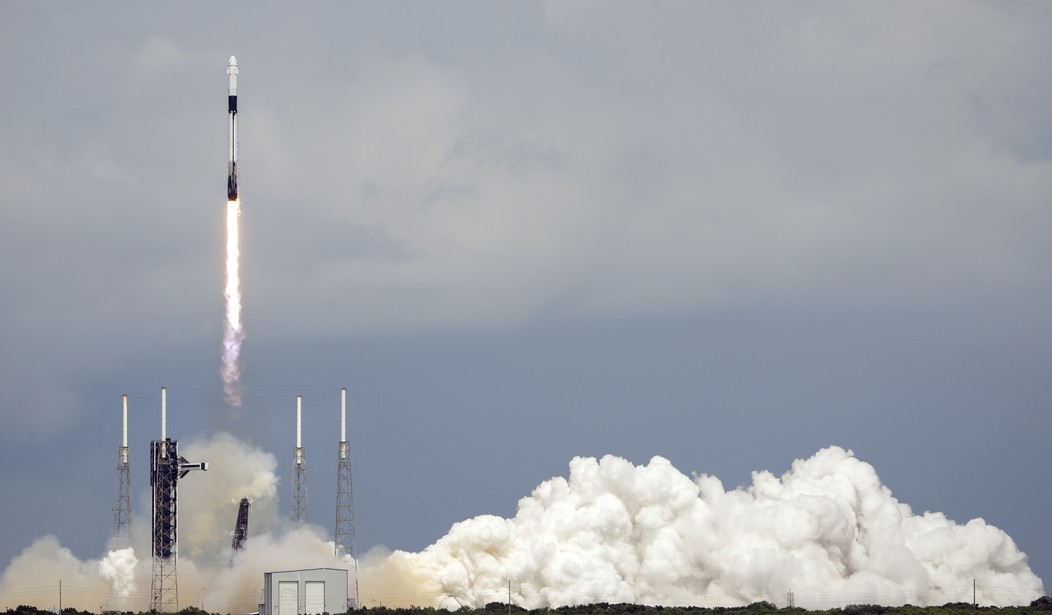
Despite the media's predictable focus on failure, SpaceX’s Starship Flight 9 marks another bold step in America's return to space leadership through private innovation. While the booster loss ended the test flight early, Elon Musk’s company continues to do what NASA hasn’t in decades: push boundaries, take risks, and build the future with accountability and speed.
On Tuesday, SpaceX launched its ninth test flight of the Starship spacecraft from its Starbase facility in Texas. While the launch and initial ascent were successful, the mission failed shortly afterward. According to the company, a fuel system leak made completing a planned heat-shield test impossible, ultimately causing the spacecraft to spin out of control.
The booster stage, critical for the spacecraft’s reentry, was lost during its return to the atmosphere. Additionally, the payload door failed to open during the flight. Initially, the mission aimed to deploy eight Starlink simulator satellites and test the reentry system by flying with 100 heat-shield tiles intentionally removed.
SpaceX said that Starship broke apart unexpectedly during flight, and the company's teams are analyzing the data and preparing for the next test. It noted that Tuesday's test was intentionally designed to push the Super Heavy booster to its limits, providing valuable real-world data to improve future versions.
“With a test like this, success comes from what we learn, and today’s test will help us improve Starship’s reliability as SpaceX seeks to make life multiplanetary," SpaceX said in a statement, acknowledging the failed test.
Debris from the spacecraft that did not disintegrate during reentry is expected to land in the Indian Ocean. The Federal Aviation Administration (FAA) has been notified of the failed launch and will investigate to determine the cause and assess any potential impact on future missions. No injuries or property damage have been reported.
Join the Conversation
VIP members get the ability to comment on articles.