







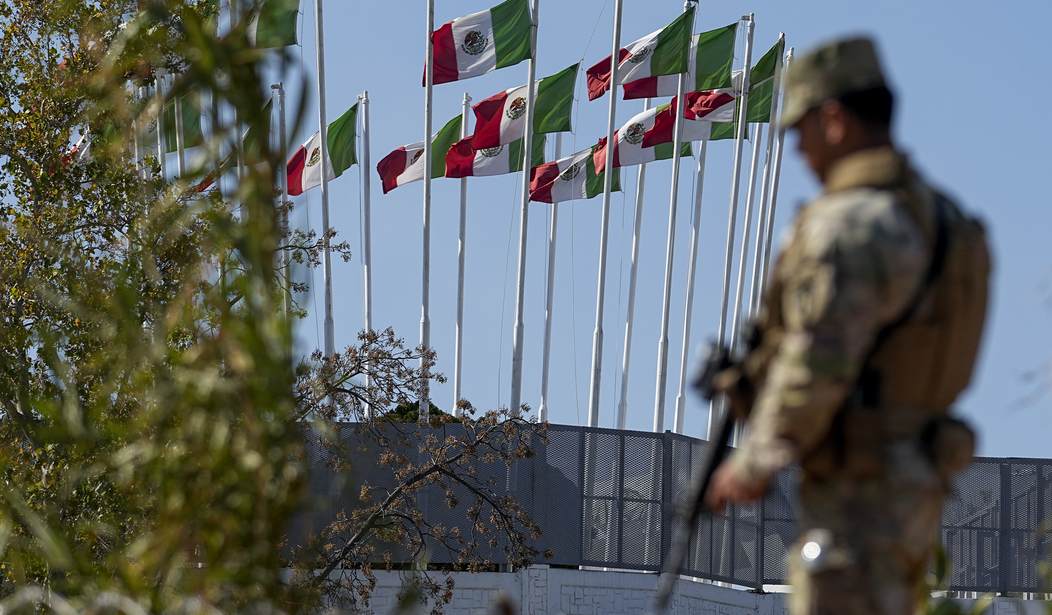
Mexico is advancing plans to amend its constitution to protect drug cartels from potential U.S. military strikes, raising concerns about security cooperation between the two nations. The proposed changes seek to create legal protections for Mexican cartels, preventing U.S. forces from conducting operations on Mexican soil, even in cases of direct threats by drug trafficking organizations.
Mexican President Claudia Sheinbaum is reportedly considering amending the country's constitution to protect drug cartels from U.S. military intervention. This decision comes after President Donald Trump recently classified eight Mexican drug cartels and criminal organizations, including MS-13 and Tren de Aragua, as foreign terrorist groups. With this classification, U.S. military action could be authorized against these organizations. However, it remains uncertain whether the U.S. will deploy troops to Mexico or other Latin American countries harboring these groups. A U.S. State Department spokesperson stated that the U.S. military had not received any additional powers under the new designations.
According to the terms proposed by Sheinbaum, amendments to Articles 19 and 40 of Mexico's constitution would prevent foreign investigations or military actions without the approval of the Mexican government. The First Amendment would prohibit foreign actions that harm the country's integrity, independence, or sovereignty. The Second Amendment would enforce automatic pretrial detention and the maximum penalties for individuals involved in illegal arms trafficking or foreign nationals violating Mexico's sovereignty.
Earlier this week, Sheinbaum reiterated her country’s stance on preventing foreign involvement in investigations or prosecutions without explicit authorization and cooperation from the government. However, her predecessor, Andrés Manuel López Obrador, had previously established laws that limit the autonomy of foreign agents and require that Mexican authorities be informed of their actions. Sheinbaum now aims to enshrine these restrictions in the constitution to further protect the country's sovereignty.
“What we want to make clear in the face of this designation is that we do not negotiate sovereignty. This cannot be an opportunity for the United States to invade our sovereignty,” she said.

Join the Conversation
VIP members get the ability to comment on articles.