





Arizona has been making national headlines for its spike in COVID-19 cases over the past few weeks. Arizona Congressman Greg Stanton labeled it the “new national hotspot,” while the Washington Post ran a piece headlined “How Arizona ‘lost control of the epidemic.’” The Grand Canyon State even caught the attention of Dr. Deborah Birx of the White House coronavirus task force, who visited the governor on Tuesday to discuss the situation. But some Arizona lawmakers are pushing back on the narrative.
Previously, Arizona had managed to escape the worst of the pandemic and the state was one of the first in the nation to lift its stay-at-home order without a face mask requirement. But in late May, the number of confirmed coronavirus cases began to rise by the day. Fox News reported that the state is now seeing record numbers of cases and hospitalizations and that there have been more than 66,000 cases as of Friday. So far, the virus has killed more than 1,500 people in Arizona. The spike prompted Gov. Doug Ducey to close bars, gyms, water parks, and movie theaters for 30 days and delay the start of public school in-person classes until at least August 17.
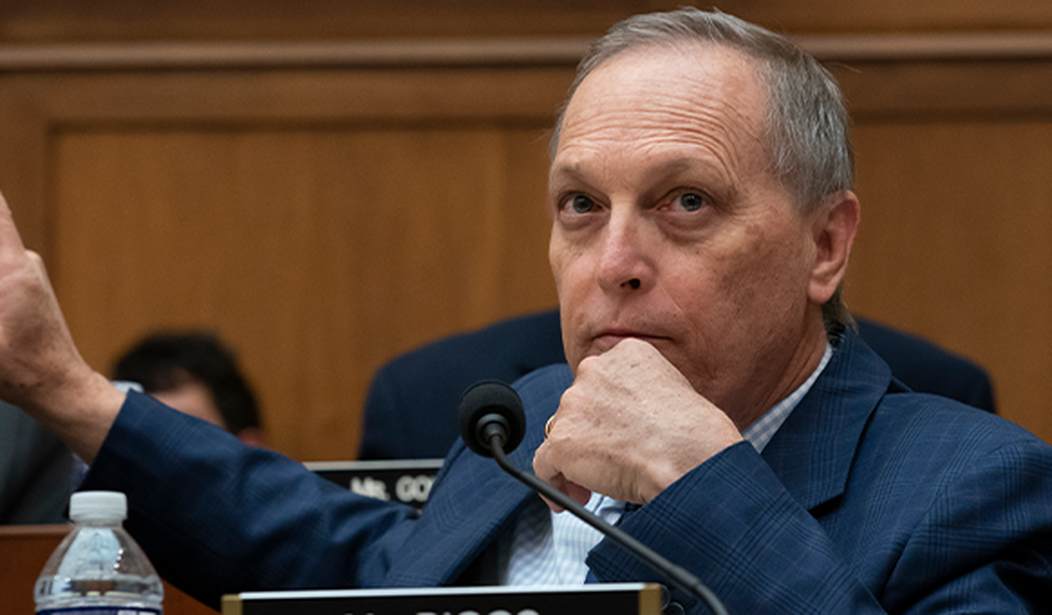
But there's more to the story, according to Arizona Congressman Andy Biggs (R), who has taken to Twitter to shed light on what the dramatic numbers actually mean.
“It's important for Arizonans to put the COVID-19 data in context and tune out the daily hysteria from the mainstream media,” Biggs said in a tweet.
It's important for Arizonans to put the COVID-19 data in context and tune out the daily hysteria from the mainstream media. pic.twitter.com/3Yg0C5Fo3L
— Rep Andy Biggs (@RepAndyBiggsAZ) June 29, 2020
Key to this context, Biggs said in a Fox interview, is recognizing that more tests are being conducted which means a rise in the number of confirmed cases, particularly in four Arizona counties. There have also been reports that the labs partnered with the Arizona Department of Health Services don’t publish the number of negative tests, leaving experts without a real denominator by which to compare spikes in positive tests.
But Biggs also noted that Arizona’s number of hospitalized coronavirus cases has fallen steadily from 11 percent three weeks ago to less than 6 percent. Likewise, the virus’s total mortality rate in Arizona was cut in half.
Bringing you the numbers and context behind Arizona's COVID-19 outbreak that many on the left and in the mainstream media refuse to highlight.
— Rep Andy Biggs (@RepAndyBiggsAZ) June 30, 2020
The percent of Arizona COVID-19 cases that are hospitalized continues to fall - now at 5.98%.
Almost three weeks ago, we were at 11%. pic.twitter.com/dw6XtwIyy6
The total mortality rate in Arizona also continues to drop. It's now at 2.06%.
— Rep Andy Biggs (@RepAndyBiggsAZ) June 30, 2020
On June 1, it was at 4.43%.
Additionally, Biggs has countered reports that the state is not equipped to handle the virus, citing numbers from the Arizona Department of Health Services that show a decline in the use of ventilators and intubations and plenty of hospital beds.
State Representative Nancy Barto (R), chair of the Health and Human Services Committee, concurs.
“We’re highlighting cases but there’s little context for that in light of the huge increase in testing,” Barto told Townhall. “How many who’ve had a ‘positive’ test are symptomatic, recover, and have very mild symptoms?"
As state officials determine next steps and look ahead to the fall, Barto says it’s important to put the virus’s extremely low mortality rate in perspective.
“There’s no question the virus can kill, but it is so few compared to our population and who it affects,” she said. “The [AZDHS] dashboard also doesn’t address the impact on children. Very few, if any, have been affected, yet schools are in panic mode about re-opening.”


Join the Conversation
VIP members get the ability to comment on articles.