







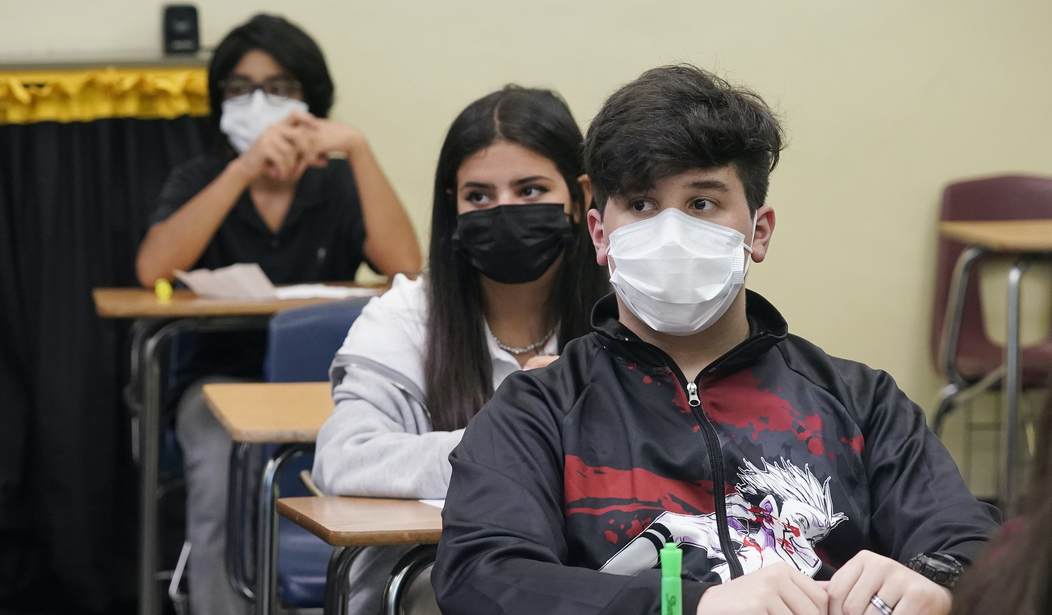
A report published Monday shows that more than a quarter of U.S. parents say their child has seen a mental health specialist with the majority doing so since the onset of the COVID-19 pandemic. The findings were found in the University of Michigan Health C.S. Mott Children’s Hospital National Poll conducted in October.
The Mott Children's Hospital National Poll on Children's Health in partnership with the Children's Hospital Association asked a national sample of parents of children aged 11 to 18 about “their views and experiences with screening and care for mental health issues.” Almost all parents, 95 percent, felt “somewhat” or “very” confident they would recognize a mental health issue in their child. Some signs that would spark concern for parents included decreased interaction with family (65 percent), change in sleep pattern (53 percent) and change in eating patterns (49 percent).
Twenty-seven percent of parents surveyed reported their adolescent has had a visit with a mental health specialist. Among those parents, 59 percent reported that the visit was within the past year. Fifty-five percent of parents reported that they decided on their own to have their child see a specialist, rather than a referral from school or another source.
In October, the American Academy of Pediatrics (AAP), the American Academy of Child and Adolescent Psychiatry (AACAP) and the Children’s Hospital Association (CHA) declared children and adolescent mental health a “national state of emergency.”
“The COVID-19 pandemic has taken a serious toll on children's mental health as young people continue to face physical isolation, ongoing uncertainty, fear and grief,” the joint announcement read. “Even before the pandemic, mental health challenges facing children were of great concern, and COVID-19 has only exacerbated them.”
The survey, which derived responses from 1,201 parents, said that one in four parents think their adolescent would “definitely” talk to them about a possible mental health issue. Fifty-five percent said they think their child would “possibly” do so.
“Even before the pandemic, mental health disorders in adolescents, such as depression and anxiety, were prevalent,” said Mott Poll co-director and Mott pediatrician Dr. Gary Freed in a news release.
“The pandemic caused significant stress and social disruption for kids that likely exacerbated these problems, as we’re seeing a growing number of young people face mental health concerns. This places a heavier burden on parents, health providers and other trusted adults in their lives to be aware of potential warning signs.”
“Regular check-ups are the best time for providers to discuss potential mental health concerns,” Freed added. “If parents feel their adolescent’s provider is not being proactive in raising these issues, they should bring it up with them.”

Join the Conversation
VIP members get the ability to comment on articles.