





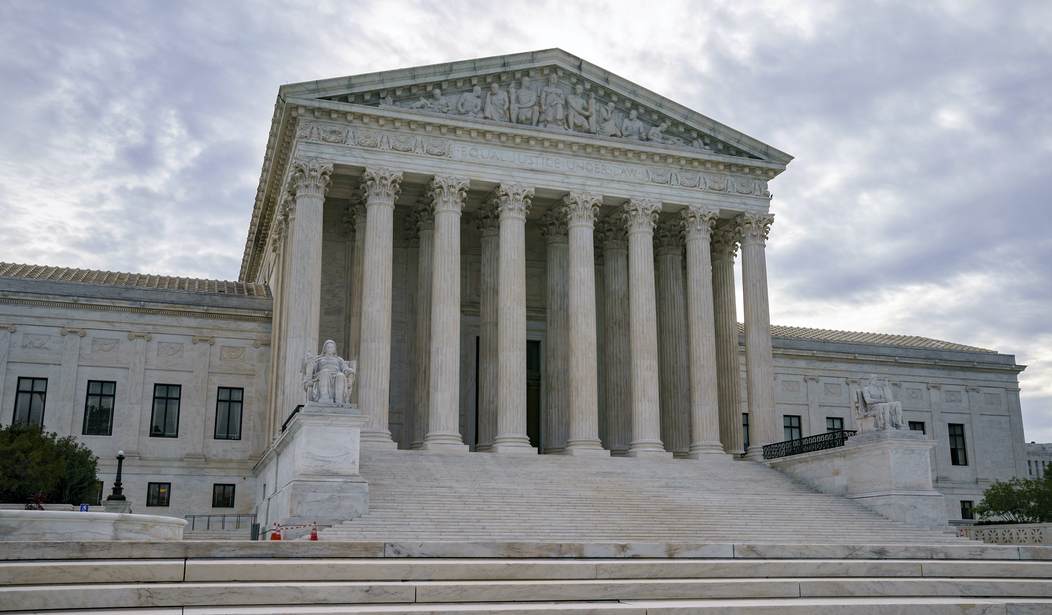
On Tuesday, the Supreme Court of the United States (SCOTUS) heard arguments regarding a procedural matter centered on the authorization of Kentucky’s Attorney General Daniel Cameron, a Republican, to defend a state abortion restriction that lower federal courts struck down as “unconstitutional.”
Today’s events derived from the case EMW Women’s Surgical Center P.S.C. v. Meier, which arose in 2018 when Kentucky passed a law, House Bill 454, banning an abortion procedure method known as “dilation and evacuation,” from the second trimester of pregnancy onward. This gruesome method of abortion is common in the second trimester of pregnancy. At the time, Gov. Matt Bevin, a Republican, was in office to sign the bill into law.
As soon as the law took effect, a Kentucky-based abortion clinic, EMW Women’s Surgical Center and two of its doctors challenged the law, claiming that it placed an unconstitutional undue burden on abortion access.
Following a trial, the U.S. District Court for the Western District of Kentucky ruled H.B. 454 as unconstitutional and enjoined its enforcement. The state appealed the ruling to the Sixth Circuit Court of Appeals, which affirmed the District Court’s decision. When Democratic Gov. Andy Beshear assumed office, he decided to drop the case. Cameron attempted to enter the case to revive H.B. 454, which the Sixth Circuit denied, claiming that his motion was untimely. Now, Cameron has asked SCOTUS to authorize his attempt to intervene in the case.
According to the Associated Press, Justice Stephen Breyer said “[w]hy can’t he just come in and defend the law?” In the report, the AP notes that the word “abortion” was mentioned infrequently in the 70 minutes of arguments.
“If Cameron is allowed to take part, he could ask the full appeals court to reconsider the panel decision and allow the law to take effect. If he loses there, Cameron could appeal to the Supreme Court,” the report reads.
On Dec 1., SCOTUS will hear arguments for a separate case relating to abortion, Dobbs v. Jackson Women’s Health Organization, which could overturn precedents set by Roe v. Wade and Planned Parenthood v. Casey.



Join the Conversation
VIP members get the ability to comment on articles.