California completely transformed the automobile industry last month when the state's Air Resources Board ushered in a regulation banning the sale of new gas-powered vehicles by 2035, paving the way for at least a dozen other states across the nation to follow suit. But on Monday, the Golden State revolutionized another industry.
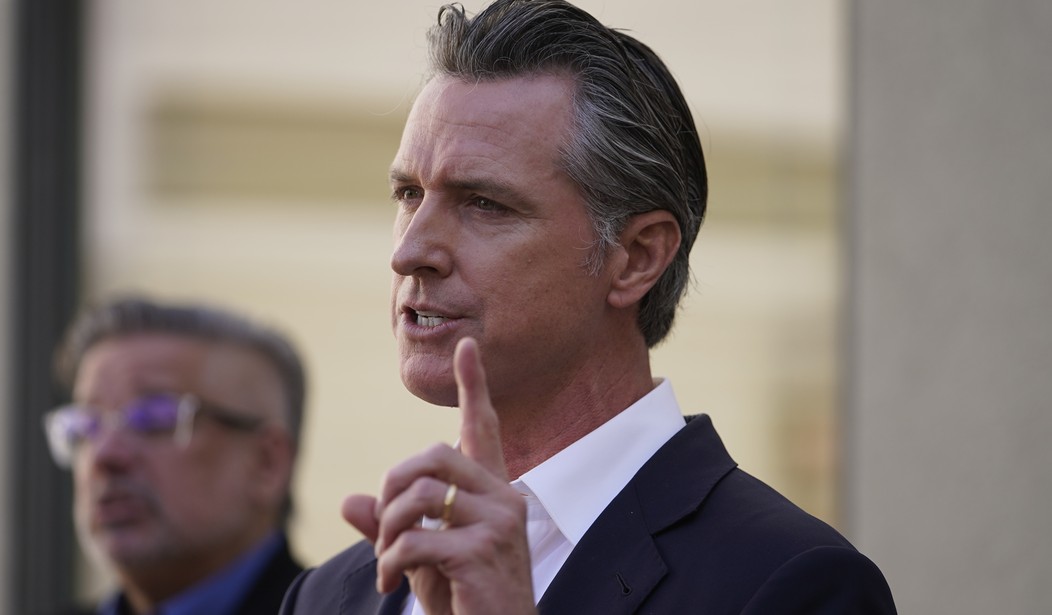
Democratic Gov. Gavin Newsom signed legislation on Labor Day that hands control of setting minimum wage standards for fast food workers over to a government panel.
"California is committed to ensuring that the men and women who have helped build our world-class economy are able to share in the state's prosperity," Newsom said in a statement. "Today's action gives hardworking fast food workers a stronger voice and seat at the table to set fair wages and critical health and safety standards across the industry."
The landmark law creates a 10-member Fast Food Council with equal numbers of workers’ delegates and employers’ representatives, along with two state officials, empowered to set minimum standards for wages, hours and working conditions in California. […]
The law sets a cap on minimum wages for fast-food workers at chains with more than 100 restaurants at $22 an hour next year, compared with the statewide minimum of $15.50 an hour, with cost of living increases thereafter.
The state Legislature approved the measure Aug. 29. Debate split along party lines, with Republicans opposed. (LA Times)
The International Franchise Association blasted the law, citing estimates from the University of California at Riverside showing consumer prices could climb as high as 20 percent as a result.
"This bill has been built on a lie, and now small business owners, their employees, and their customers will have to pay the price," IFA President and Chief Executive Matthew Haller said in a statement. "Franchises already pay higher wages and offer more opportunity for advancement than their independent counterparts, and this bill unfairly targets one of the greatest models for achieving the American Dream and the millions of people it supports."
NEW: I just signed a landmark bill that will give fast food workers the voice they have long deserved -- a say in shaping the workplace standards at their jobs. pic.twitter.com/Fkc4TDBF0f
— Gavin Newsom (@GavinNewsom) September 5, 2022