Last year, President Biden announced a plan to rapidly "green" the automobile industry, with 50 percent of vehicles sold in the U.S. by 2030 being all electric. That goal has been criticized by GOP lawmakers for being overly ambitious and unrealistic given the state of U.S. infrastructure.
Rep. Thomas Massie (R-KY) pressed Transportation Secretary Pete Buttigieg about this issue last month, wondering how the grid would handle it.
"The numbers and the rate of adoption has been developed using political science, not engineering, they're impractical, and if we blindly follow these goals that Biden has set out, it will cause pain and suffering for the middle class," Massie told him.
Never mind that small detail, the Biden administration is plowing ahead—and so too is the industry, it seems.
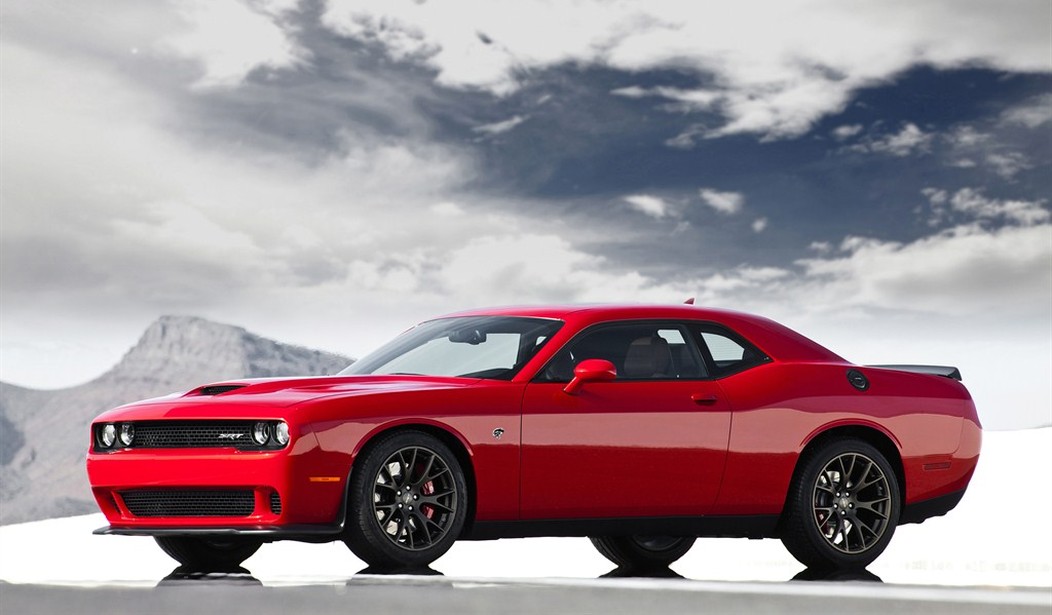
Dodge announced Monday it will be ending production of two of its most iconic muscle cars, the Challenger and Charger, as it transitions to electric vehicles.
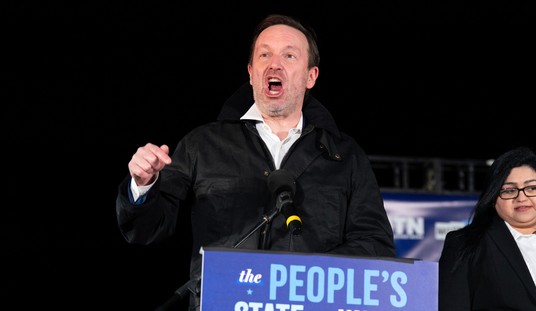
"We are celebrating the end of an era — and the start of a bright new electrified future — by staying true to our brand," said Tim Kuniskis, Dodge brand chief executive officer. "At Dodge, we never lift, and the brand will mark the last of our iconic Charger and Challenger nameplates in their current form in the same way that got us here, with a passion both for our products and our enthusiasts that drives us to create as much uniqueness in the muscle car community and marketplace as possible."
2023 will be the last year these cars are made, and all will bear a commemorative "Last Call" plaque under the hood.
The lineup will give a nod to the cars' history with seven "heritage-influenced models" that will touch on the muscle-car era of the '60s and '70s, according to a press release.
Details about the models will be revealed later this year, but in the meantime, Dodge is teasing its new electric muscle car wannabes, complete with fake exhaust sounds. The company says it will be faster than a Hellcat.
A first look at the new electric Dodge Charger Daytona SRT. So many thoughts!
— Marques Brownlee (@MKBHD) August 18, 2022
#1: Do muscle car people... actually like this fake sound? I need to hear it in person ??
#2: This will now be competing for the first Google search result for "electric charger" which is hilarious https://t.co/0PDJj9RrIf