





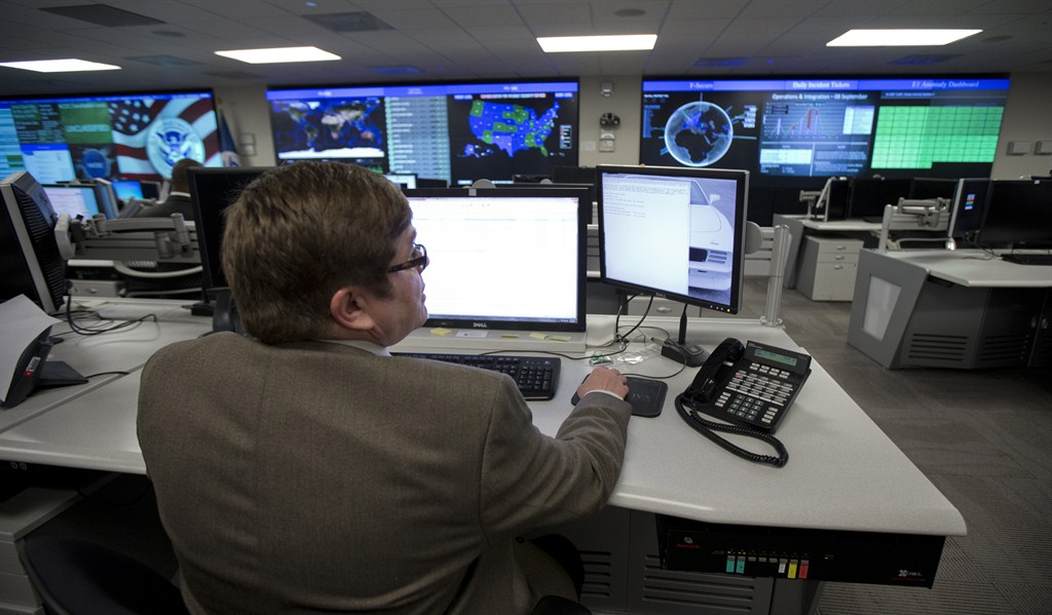
Most federal employees in the Washington area will be receiving a nearly 2.3 percent raise in January, bringing the cap on top pay to $164,00, which is nearly that of the salaries of Congress’s 535 members.
The pay increase comes after Trump said he would allow the General Schedule’s default raise to go through if Congress didn’t act by the end of 2017.
Some federal employees will receive even more, however.
Senior executives, who do not receive pay increases along with GS employees, will see their salary cap increase from 187,000 to 189,600. These federal employees receive raises based on performance.
The Washington area, where the bulk of federal workers are employed, will get the biggest pay raise under the order signed by President Trump before Christmas. There, the increase for General Service workers will be 2.29 percent.
The average federal worker in 2016 earned $86,365. With benefits, the total compensation was $123,160.
The average nonfederal pay in the nation was $58,726, with total compensation at $69,901. (Washington Examiner)
According to recently released documents from Sen. Claire McCaskill (D-Mo.), the “Trump administration plans to recommend no federal employee pay raise for 2019,” The Washington Post reports.
Recommended
Congress has followed a policy of action by inaction on federal employee raises since a three-year freeze on salary rates ended with a raise in January 2014. Starting with that raise and each year since, legislators have allowed the White House’s proposed raise amount to take effect under a complex federal pay law providing for acceptance of that figure unless Congress sets a different one. (WaPo)
Federal employees will see the raise in their first paycheck of the new year, which will be January 7 for most workers.




Join the conversation as a VIP Member