Mary Bruce Cites Iran Contradictions Based on Media Lies, and The Bulwark's Fluid...
Can the Left Go One Day Without Criticizing President Trump? No, They Cannot.
Police Warned the Fairfax County Prosecutor About the Violent Illegal Alien Who Murdered...
Legendary Notre Dame Football Coach Lou Holtz Has Died Aged 89
Jim Jordan Exposed Tim Walz's Dishonesty at Oversight Committee Hearing on Minnesota Fraud
Iranian Women's Rights Activist Calls Out Kamala Harris Silence on Regime's Atrocities: 'W...
Despite What Democrats May Tell You, Americans Want the SAVE Act
Victor Davis Hanson Explains Why This Time The War in the Middle East...
Three Men Plead Guilty to $88 Million 'Pre-IPO' Securities Fraud Scheme
Montana Sen. Steve Daines Won't Seek Re-Election
West Virginia Man Faces Federal Charges for Alleged Death Threats to President Trump,...
$360 Million Stolen: New Bill Targets Rampant SNAP Card Skimming
Honduran National Sentenced to 6.5 Years for Assaulting ICE Officer in Oklahoma City
U.S. Senate Rejects Measure to Halt Strikes on Iran
Japanese National Who Allegedly Tried to Sell Plutonium to Fake Iranian General Sentenced...
Tipsheet

How to Control Exploding Federal Subsidies for College

How to Control Exploding Federal Subsidies for College
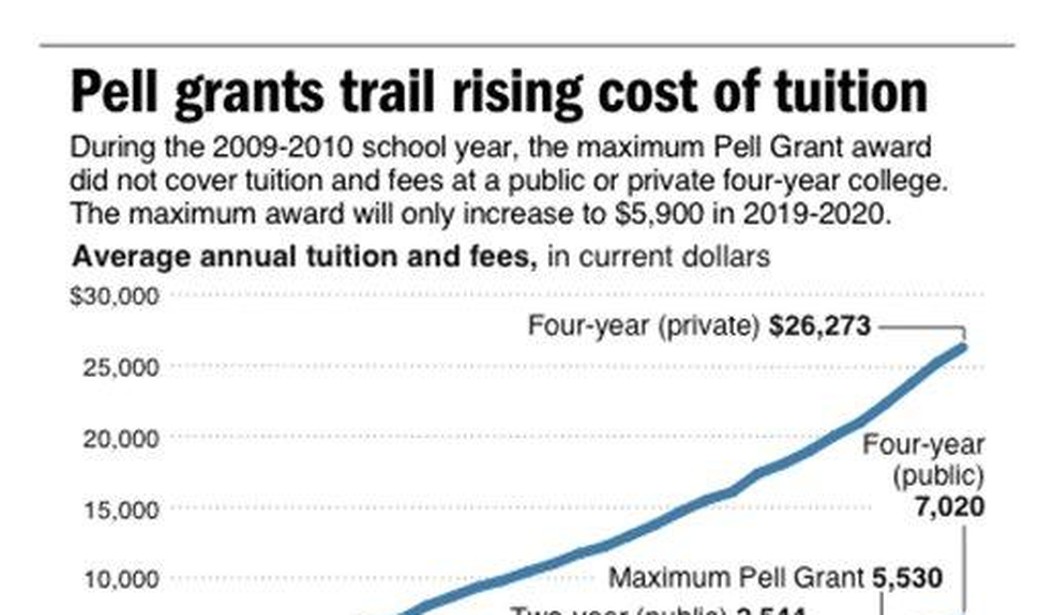
A new CBO report exposes the explosion in Pell grant subsidies for college students over the last seven years and options to rein in the substantially-higher spending. From 2006 to 2011, Pell grant spending increased by 158% and eligibility for the program rose by 80%. While one of the reasons for increased spending is because more low-income students became eligible due to the recession, the Obama Administration also undertook a general eligibility expansion.
Advertisement

900,000 additional students received Pell grant eligibility as a result of expansion implemented in the last decade than would have otherwise. This massive expansion tracks with President Obama's explicit goal to send as many Americans to college as possible - no matter what the cost or consequences:

In President Obama's first speech to a joint session of Congress in 2009 outlined his administration's ambitious higher education agenda, saying that "by 2020, America will once again have the highest proportion of college graduates in the world." As Peter Wood wrote at the Chronicle of Higher Education, "that would mean more than doubling the number of domestic students attending the nation's colleges and universities."

This ignores that not every college education is a good investment. But President Obama has pushed a massive expansion of college subsidies, and we're seeing this in the numbers released in the CBO's recent report.

Luckily, there are easy ways to rein in these costs. The CBO also outlines potential solutions. A mere $700 cut in the maximum Pell grant award would save $68 billion - and that would have come after the maximum Pell grant increased by $1500 in the last few years, so that would represent a return to a level higher than we'd seen before Pell expansion.
Advertisement

Related:

CBO

The Obama Administration's push for a massive expansion of college attendance will bring benefits to many students, but does not come without downsides. The CBO has outlined ways that the federal government can constrain the costs. Hopefully the Obama Administration will pay attention.


Join the conversation as a VIP Member

Recommended

Trending on Townhall Videos

Advertisement
Advertisement
Advertisement