


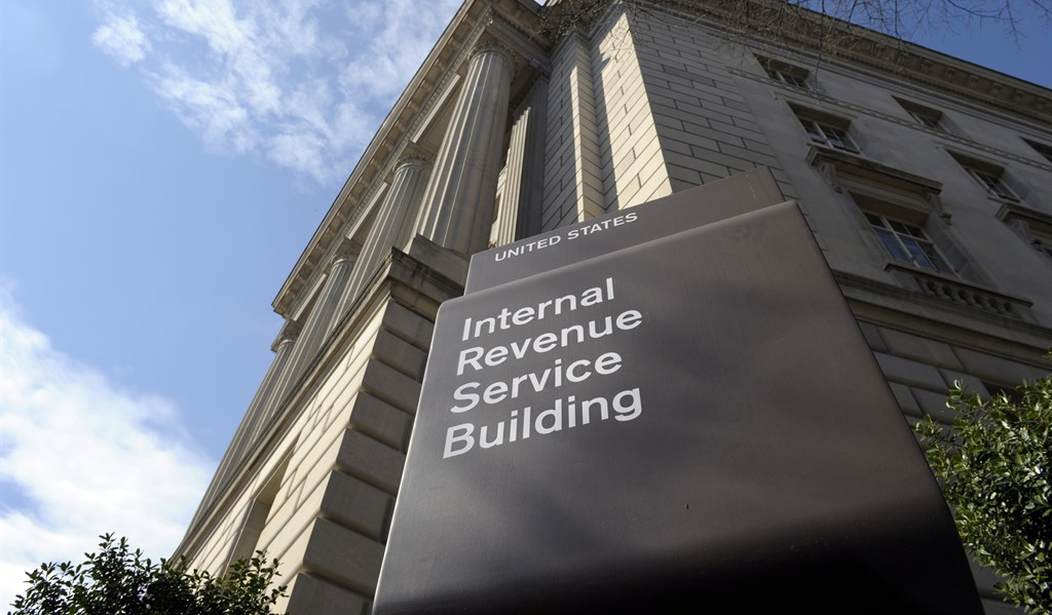
Indeed, it's not the spending side of the ledger that has shrank the budget deficit, but the tax side. Projected outlays for the first half of the 2013 fiscal year are $11 billion smaller than in 2012, while the federal government collected $220 billion more in tax revenue.
>
As the CBO detailed:
Taxes withheld from workers’ paychecks rose by $99 billion (or 9 percent), mainly because of higher wages and salaries, the expiration of the payroll tax cut in January 2013, and increases (beginning in January) in tax rates on income above certain thresholds.
And about the small dip in government spending:
Some of the decline in spending from 2012 to 2013 stems from changes to the estimated cost of past transactions of several credit programs (notably for TARP, the Troubled Asset Relief Program). With those changes excluded and with adjustments for the timing shifts, the difference would have been smaller — about 0.5 percent.
One of the largest dips in spending is due to military cuts - the federal government spend $16 billion less over the first seven months of 2013 than it did for that time period in 2012.

Much of this is to be expected - as the economy recovers, there will naturally be an increase in tax revenue and a drop in social safety net spending. At least part of this, however, is due to President Obama's ideal version of a "grand bargain" on tax hikes and spending cuts - mostly tax hikes on upper income-earners and spending cuts that fall heavily on the military. It also is not a sign that President Obama is some kind of deficit hawk. He's just a textbook Keynesian.









Join the conversation as a VIP Member