






As we continue to receive more information about the attacks on U.S. Embassies in Egypt and Libya, reports are now showing the attacks weren't random, but coordinated violent acts.
Intelligence experts and U.S. government officials are starting to view the attack in Libya that killed U.S. Ambassador Chris Stevens and three others in Benghazi as a coordinated attack.
Sources, including officials at the Pentagon and the State Department, are discussing the possibility that it was a planned operation, and some say several developments seem to support the possibility.
The incident does not appear to be a random mob scene, but rather an opportunity that militants seized, sources say. The attackers used a rocket-propelled grenade, a weapon not traditionally carried by protesters, but commonly used by terrorists.
The attack is believed to have come in two waves. The first wave got inside of the compound, and a second wave penetrated a secure location inside the building. This development raises questions about how the attackers knew the location of that secure facility, sources say.
On Sept. 11, al-Qaida leader Ayman al-Zawahiri put out a video eulogizing Abu Yahya al-Libi, an Islamist terrorist and high-ranking al-Qaida member, who was killed in a drone attack in June. Sources have said they believe the Libyan incident might have been revenge for the death of al-Libi.
Recommended
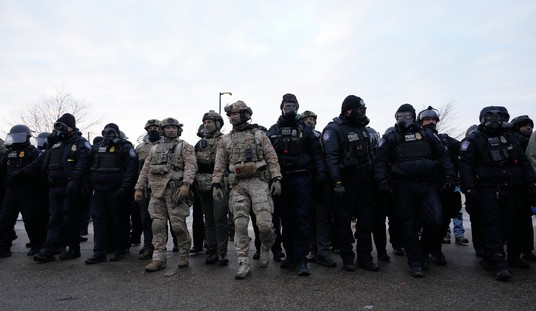
Members of the Senate intelligence committee also believe this was an Al Qaeda attack.
Sen. Bill Nelson, Florida Democrat, said the attacks "have the markings of revenge by al Qaeda." He said they could be connected to the killing in June of Abu Yahya al-Libi, a top leader of the terrorist network.
"In light of Monday night's Internet-video statement by the head of al Qaeda, Ayman al-Zawahiri, who urged Libyans to attack Americans to avenge the recent death of al-Libi, I am asking my colleagues on the Senate intelligence committee to immediately investigate what role al Qaeda or its affiliates may have played in the attacks in Libya and Egypt, and to urge appropriate action," Mr. Nelson said in a statement.











Join the conversation as a VIP Member