





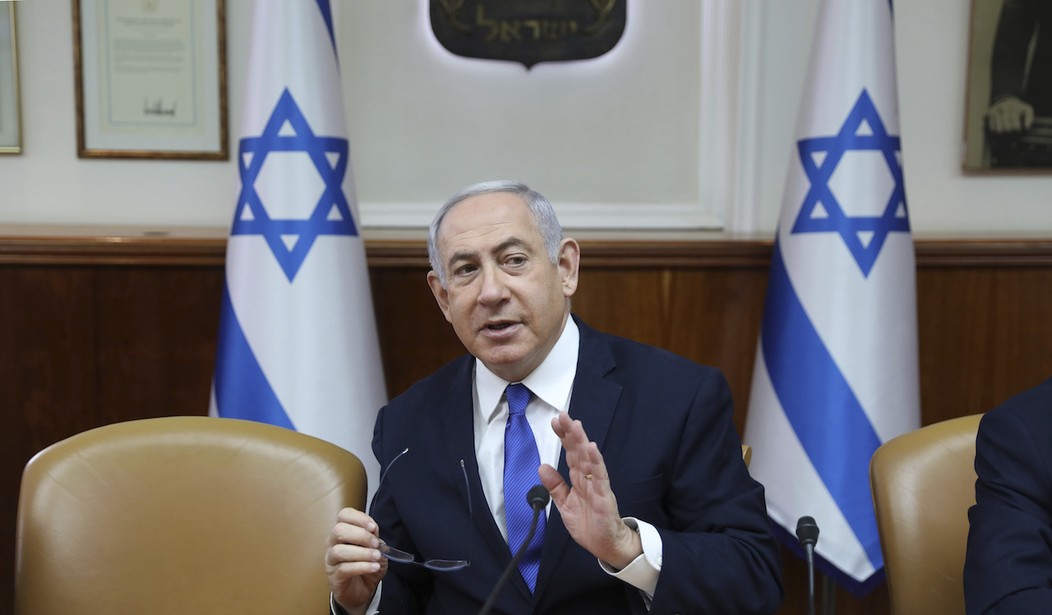
On Thursday, Secretary of State Mike Pompeo announced that United States citizens born in Jerusalem can now list Israel as their place of birth on their passports.
In a press statement posted to the State Department’s website, Pompeo said:
Consistent with President Trump’s Jerusalem Proclamation of December 6, 2017, and the historic opening of the U.S. Embassy in Jerusalem on May 14, 2018, today I am announcing updates to the Department’s guidance on passports and other consular documents issued to U.S. citizens. Effective immediately, the State Department will allow U.S. citizens born in Jerusalem to elect to list their place of birth as “Israel.” Applicants born in Jerusalem will be able to request either “Jerusalem” or “Israel” as their place of birth on consular documents. Those U.S. citizens born in Jerusalem who do not specify their place of birth on applications for consular services as “Israel” will continue to be issued documents that indicate their place of birth as “Jerusalem.” Other guidance on listing of place of birth in Israel, the Gaza Strip, the Golan Heights, Jerusalem, and the West Bank remains unchanged.
As the President stated in his proclamation, the United States recognizes Jerusalem as the capital of Israel and its seat of government but continues to take no position on the boundaries of Israeli sovereignty in Jerusalem. This matter remains subject to final status negotiations between the two Parties. The United States remains strongly committed to facilitating a lasting peace agreement. The President’s Vision for Peace provides a realistic and achievable pathway for that peace to happen and I encourage the Palestinians to come to the table and negotiate.
As the Jerusalem Post notes, the State Department’s former policy was that Jerusalem, the West Bank and the Gaza Strip “are territories whose final status must be determined by negotiations,” meaning that, according to U.S. policy, Jerusalem was not considered officially a part of Israel. The Jerusalem Post adds that the former State Department policy prohibited listing Israel as the country of birth for anyone born in Jerusalem.
This announcement is further proof that President Trump is arguably the most pro-Israel U.S. president in history. After multiple presidents promising to move the U.S. embassy from Tel Aviv to Jerusalem only to break their word upon taking office, Trump kept his promise and opened a new U.S. embassy in Israel’s rightful capital. Trump has also recognized Israeli sovereignty over the Golan Heights, withdrew from the Obama-era nuclear deal with Iran, signed the Taylor Force Act, cut funding for three anti-Israel U.N. bodies and helped to broker the Abraham Accords.
This decision by the State Department is also further proof that the Trump administration is willing to go against the D.C.-elite view of the Middle East that has permeated U.S. foreign policy for decades, particularly the one of moral relativism regarding Israel and the Palestinians.


Join the Conversation
VIP members get the ability to comment on articles.