





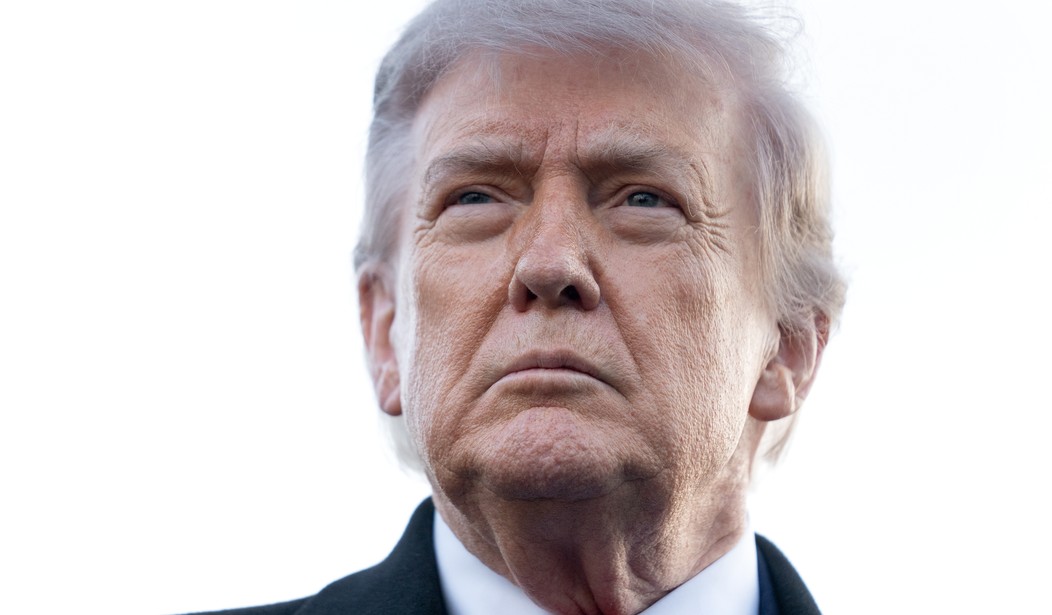
Senate Republicans could hamper two of President Donald Trump’s priorities: The White House ballroom and the new weaponization fund.
Some Republican lawmakers in the upper chamber are concerned these two items might do more harm than good politically, according to PunchBowl News:
Senate Republicans are preparing to buck President Donald Trump on two of his long-running obsessions: the White House ballroom project and the “weaponization” of federal agencies against his allies.
It’s a risky gambit, taking on an emboldened president who’s busier settling scores against members of his own party than he is in taking on Democrats.
But Republican leaders are making clear they’d rather risk a Trump outburst than participate in what they see as a campaign of political self-sabotage.
That means scrapping plans to fund security for Trump’s controversial East Wing ballroom. Senate Republicans are also using the reconciliation bill to restrict Trump’s new $1.776 billion “anti-weaponization” fund to compensate people who believe they were unfairly targeted by the feds.
Both are politically toxic for vulnerable Republicans in a midterm year defined by affordability issues and high costs.
In most cases, the only Republicans who are publicly speaking out against these initiatives are the victims of Trump’s revenge tour or otherwise not seeking reelection. But GOP leaders’ decisions on both the ballroom and weaponization fund make clear that they feel the same way.
Congressional leaders are closing up shop for the week without voting on their long-sought immigration budget bill, as Senate Republicans struggled to agree on legislative text amid an 11th-hour fight over a new Justice Department “anti-weaponization” fund.…
— Roll Call (@rollcall) May 21, 2026
Sen. Bill Cassidy (R-LA) told PunchBowl News argued that Americans “are concerned about paying their mortgage or rent, affording groceries and paying for gas, not about putting together a $1.8 billion fund for the president and his allies to pay whomever they wish with no legal precedent or accountability.”
Cassidy failed to secure the nomination in Louisiana, which means this will be his final term in office.
Sen. Thom Tillis (R-NC) also slammed the measure as a way to “compensate people who assaulted Capitol Police officers.”
🚨 UPDATE: Sen. Thom Tillis (R-NC) is moving to BLOCK President Trump’s $1.8B anti-weaponization fund for those WRONGLY targeted by the DOJ
— MAGA Girl (@magagirl00) May 21, 2026
GOOD RIDDANCE to this fake “Republican” who is RETIRING!
pic.twitter.com/JMdycUG7VR
At the same time, Senate Republicans are working to pass a $72 billion immigration enforcement package for ICE and Border Patrol. The issue has revealed intraparty conflict in the GOP over Trump’s projects. Senate Majority Leader John Thune (R-SD) said limiting eligibility for the weaponization fund remains “a work in progress.”
On the other side, Democrats seek to use this rift as an opportunity to force Republicans into politically difficult votes ahead of the midterm elections. They criticized the GOP for prioritizing mass deportation efforts and Trump-related spending fights while voters are still dealing with economic woes.
The ballroom project has been a controversial idea since the president announced it. Senate Republican leaders are moving to drop a proposal to give the Secret Service $1 billion in new security money for the facility. Several GOP senators called out the timing, price tag, and lack of detailed plans.
The anti-weaponization fund is the result of a settlement with the Justice Department after President Trump agreed to drop his $10 billion lawsuit against the IRS. In exchange, the DOJ agreed to establish a $1.776 billion fund to compensate those who became targets of the Biden administration’s “lawfare and weaponization” efforts.


Join the Conversation
VIP members get the ability to comment on articles.