





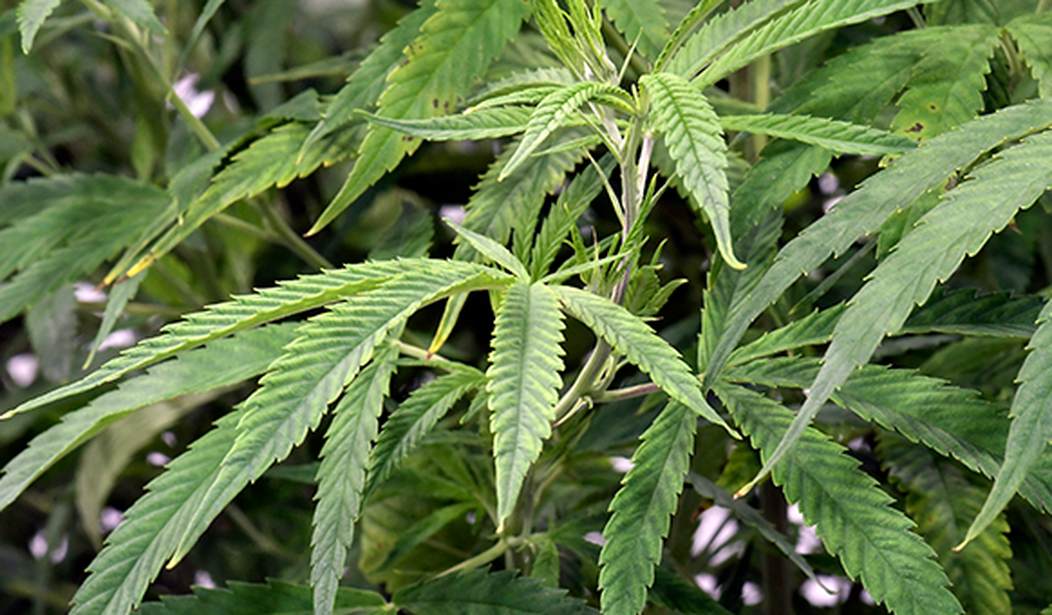
Texas Gov. Greg Abbott, in a surprising move, vetoed a bill on Sunday that would have imposed a statewide ban on the possession and sale of products containing THC, the compound in cannabis that causes intoxication.
Lt. Gov. Dan Patrick championed the measure, which would have prohibited Texans from buying or consuming Delta-8 and other hemp-related products that contain THC, according to The New York Times.
The ban bill was pushed through the Legislature last month by Lt. Gov. Dan Patrick, a hard-line conservative, and was fiercely resisted by consumers and by the growing number of businesses across Texas that sell gummies, joints, drinks and other products derived from hemp.
The law would have made it a crime in Texas to possess or sell consumable hemp products with a detectable amount of THC, the psychoactive chemical produced naturally by the cannabis plant. Texas does not allow the recreational use of marijuana, as hemp with a high THC content is known, though the state has a limited medical marijuana program.
Mr. Abbott waited until the final minutes before the ban would have automatically become law to issue his veto.
In a statement issued along with the veto, he said the hemp ban would have been challenged immediately in the courts. He directed lawmakers to return to the State Capitol next month to take up the issue of regulating the industry instead of banning it.
“Texas must strongly regulate hemp, and it must do so immediately,” Mr. Abbott said in his statement.
In a post on X, Patrick expressed his disappointment, criticizing Abbott for remaining “totally silent on Senate Bill 3.”
His late-night veto, on an issue supported by 105 of 108 Republicans in the legislature, strongly backed by law enforcement, many in the medical and education communities, and the families who have seen their loved ones’ lives destroyed by these very dangerous drugs, leaves them feeling abandoned.
Throughout the legislative session, @GregAbbott_TX remained totally silent on Senate Bill 3, the bill that would have banned dangerous THC products in Texas. His late-night veto, on an issue supported by 105 of 108 Republicans in the legislature, strongly backed by law…
— Office of the Lieutenant Governor Dan Patrick (@LtGovTX) June 23, 2025
Patrick and his allies insisted that the products are too dangerous for people to be allowed to choose whether they want to consume them. They further argued, without providing evidence, that stores that sell the products were marketing them to children.
Conversely, organizations that opposed the ban, such as the Texas Hemp Business Council, lauded Abbott for choosing “balance over overreach.”
Texas Republicans who voted for the measure had initially considered adding more regulations on the products. However, Patrick, who leads the state Senate, believed a full ban was necessary.
Texas has some of the strictest laws against marijuana users in the nation. It prohibits all recreational use and has a limited medical marijuana program.
However, polling has shown that Texas voters largely opposed the ban. A survey conducted by Fabrizio & Lee showed that 61 percent of Texans opposed the ban while only 19 percent supported it. About 70 percent indicated they prefer THC products to be legal, but regulated, compared to just 16 percent who wanted an outright ban. Abbott’s move appears aimed at preventing fellow Republicans from passing a restrictive measure that most of the state disagrees with.
This is the right move. Criminalizing people for possessing, buying, or selling a product that people want is not the right solution here. Much of Patrick’s arguments were based on faulty or misleading information about these products.
The bottom line is that using government force to decide what people consume is the epitome of government overreach. Most can agree to at least some regulation of the product. For instance, very few would argue against making sure children are not acquiring the products. Requiring businesses to be honest about what is in the products is also reasonable.
But nanny state laws like this don’t keep people safe. Instead, they make people less free.
Join the Conversation
VIP members get the ability to comment on articles.