





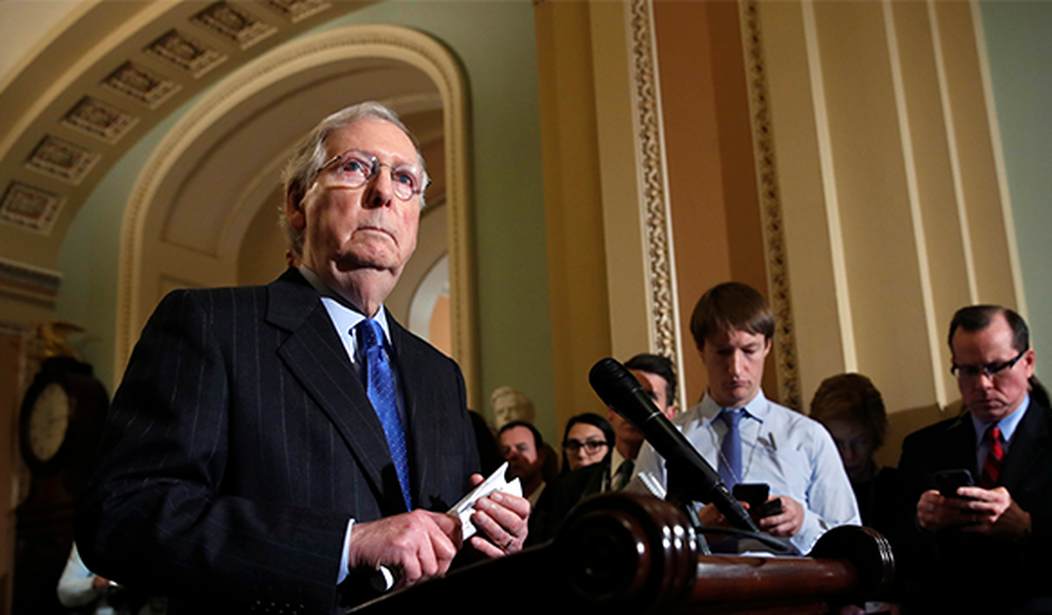
In a tight 10-9 party-line vote Wednesday, members of the Senate Rules Committee approved a change to the rules to shorten the debate time for judicial nominees.
Currently, up to 30 hours of debate time is allowed before a nominee is approved for service. But if the new rule, which was introduced by Sen. Roy Blunt (R-MO) and James Lankford (R-OK), is approved in the Senate floor, it will reduce the maximum time to just two hours. The rule would apply to just about all judicial and executive branch nominees, but not nominees for the Supreme Court or other “high level positions,” according to CNN.
“Republicans backed the proposal,” wrote CNN. “Which would limit debate time on nominees, arguing during a spirited session of the Senate Rules Committee that it was the only way to overcome what they described as unprecedented obstruction by Democrats of Trump's executive branch and judicial appointments.”
Democrats may not be on board with the decision. But it may not matter if Republican majority decides to use the “nuclear option.” In that case, the rule would only need to pass by simple majority, with 50 out of the 53 GOP senators approving the rule.
Blunt said that Democrats issued 128 filibusters on President Donald Trump’s nominees, more than any other president in history.
"Presidents deserve to have their teams in place," Blunt said. "Never before have we seen the level of obstruction in the confirmation process in the first two years of a presidency."
Senate Majority Leader Mitch McConnell is expected to bring the rule to the Senate floor, according to Politico.
“The real crisis here is the administration itself below the cabinet level has an enormous number of vacancies,” McConnell said. “Once we get to cloture on a number of these nominees they aren’t even controversial. So it’s pretty obvious the whole purpose is just to eat up floor time.”
Senate Rules Committee Ranking Member Amy Klobuchar (D-MN) openly spoke against the rule, stating that removing most of the debate time would diminish “important checks and balances” in the nomination process.
“If this passes, roughly 80 percent of all Trump administration nominees will be able to be confirmed with just two hours of debate time,” she said. “In Minnesota, that’s about the amount of time it takes to make a hot dish.”


Join the Conversation
VIP members get the ability to comment on articles.