





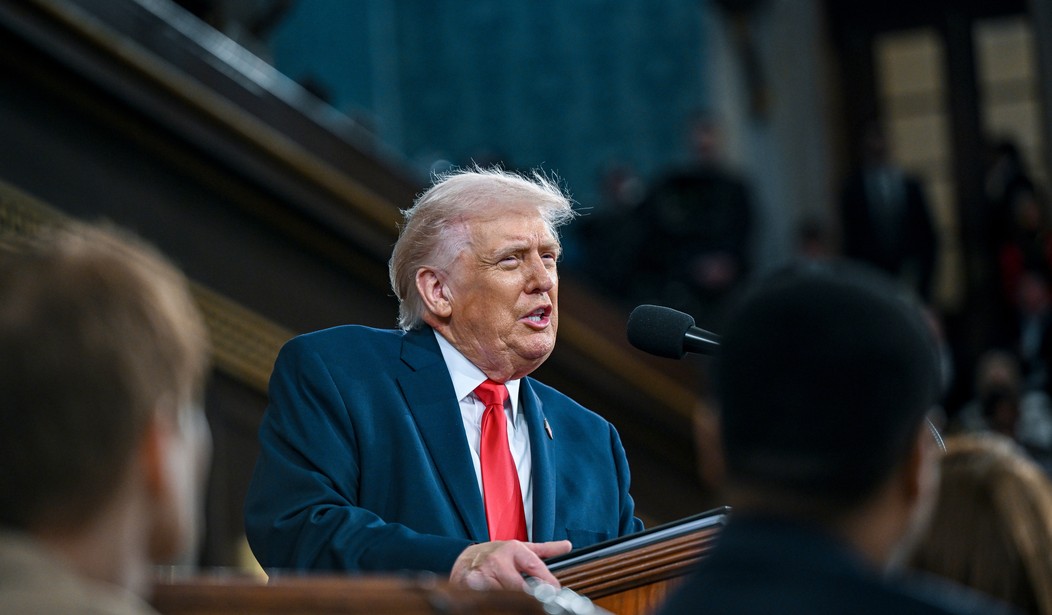
Military historian, conservative commentator, and senior fellow at the Hoover Institute, Victor Davis Hanson, says that President Trump breaks the traditional mold when it comes to foreign policy, arguing that he is neither an isolationist nor a nation-builder, but something in between: a Jacksonian.
In other words, Trump’s foreign policy prioritizes American honor, security, and economic interests over the endless wars that defined much of 21st-century Republican foreign policy. It favors decisive, unilateral action backed by overwhelming military strength. An “America First” approach to the world that avoids nation-building while still responding with force to serious threats.
Victor Davis Hanson: Trump Not an Isolationist, nor Nation Builder, but a Jacksonian
— The Daily Signal (@DailySignal) March 4, 2026
President Trump’s foreign policy may be an enigma for many, including some within the MAGA movement. Some believe “America First” means no foreign wars.
But at his core, Donald Trump is a… pic.twitter.com/c9QYgW1JiH
"He's not an isolationist, everybody. Trump is not an isolationist; he's not a nation-builder. He's a Jacksonian, no better friend, no worse enemy," Hanson explained. "Cost-to-benefit analysis, we hit somebody, and we hope that the cost is much better on our side of the ledger. The benefit is much better than the cost, and that's what he's doing here."
He said that following George W. Bush's presidency, "Trump comes along and says, I don't think [nation-building is] worth it."
"He didn't say, I don't believe in nation-building in the sense it's bad to implant consensual government. He just said, not at our dime, we're not going to do it."
What the United States will do, however, is use overwhelming force to secure its interests abroad, exactly what it is doing in Iran and Venezuela. The calculus is straightforward: the Iranian regime threatens American interests, destabilizes the regions by undermining U.S. allies, funnels money into global terror networks, and aligns itself with adversaries like China and Russia. The opportunity to strike emerged while the regime was weakened, by previous strikes last summer and by recent civil unrest internally.
So far, the president’s cost-benefit calculation appears to be working in America’s favor, though it remains unclear what the long-term plan will be once Iran’s military capabilities are fully dismantled. What is becoming increasingly clear, however, is that whatever government ultimately replaces the Ayatollah will likely face immense pressure to align with American and allied demands.
Editor's Note: For decades, former presidents have been all talk and no action. Now, Donald Trump is eliminating the threat from Iran once and for all.
Help us report the truth about the Trump administration’s decisive actions to keep Americans safe and bring peace to the world. Join Townhall VIP and use promo code FIGHT to get 60% off your VIP membership.


Join the Conversation
VIP members get the ability to comment on articles.