





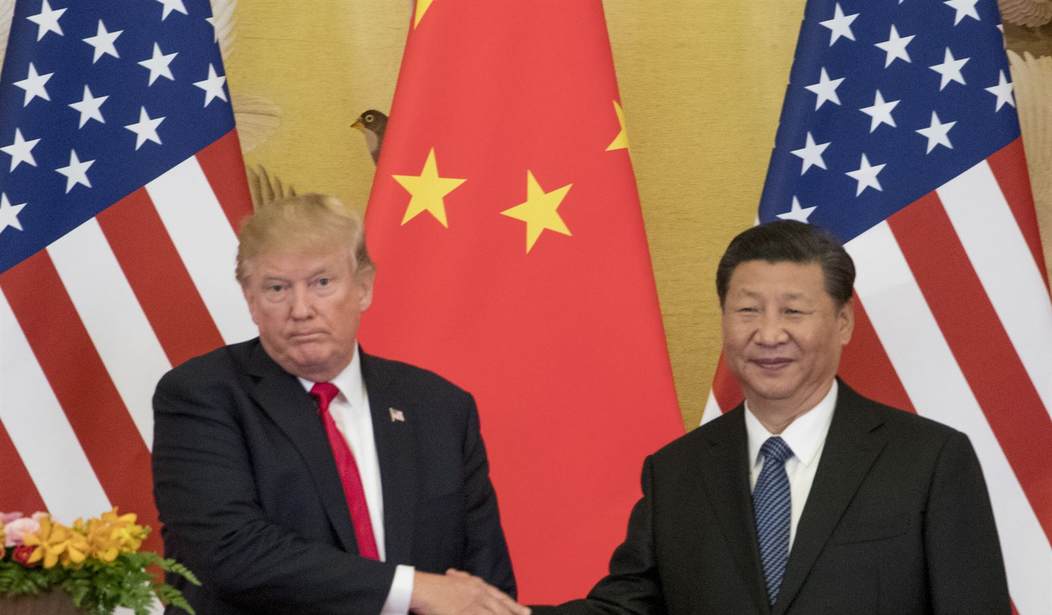
Despite President Trump’s much-publicized trade deal with China, Beijing continues to flex its dominance over rare-earth magnets, controlling 90 percent of the global supply, and American industries are starting to feel the pressure.
TRUMP: DEAL WITH CHINA DONE. SUBJECT TO XI'S APPROVAL
— Josh Caplan (@joshdcaplan) June 11, 2025
TRUMP: RARE EARTHS, WILL BE SUPPLIED, UP FRONT, BY CHINA
TRUMP: U.S. GETTING 55% TARIFFS, CHINA GETTING 10% pic.twitter.com/al2ik7MflJ
Rare-earth magnets are critical components needed in devices from everyday smartphones and automobiles to America's F-35 stealth fighter. They are an integral part of the American technological industry.
According to the Wall Street Journal, "Chinese authorities are dragging out approval of Western companies’ requests for the critical components, a situation that could reignite trade tensions between Washington and Beijing." Western companies are growing increasingly concerned about their access to Chinese rare-earth magnets, reporting that they are receiving just enough to keep production running, and with no clarity on future supplies. Companies aren’t just worried about future shortages; they’re already paying a premium. With export licenses delayed and unpredictable, many are resorting to costly methods of shipping to avoid production shutdowns. Some manufacturers are even exploring ways to redesign their products to use weaker or alternative magnets.
China continues to flex its control of the market by dragging out the license approval process. China’s Ministry of Commerce claimed that it has been expediting the review process of rare-earth export license applications and has approved “a certain number.” Furthermore, for companies to get their licenses approved, Chinese authorities are now demanding sensitive information from Western companies, including who’s buying their magnets and how those magnets are integrated into American tech. Beijing claims this is necessary to ensure the magnets aren't being used for American military technology. The companies that refuse to provide it are often denied their license.
While the trade deal brings some short-term stability, the deeper issue remains unresolved: China’s dominance over rare-earth magnets gives it powerful leverage in a high-tech world increasingly defined by supply chains. They hold the upper hand in this industry. Until the U.S. can secure alternative sources or build up its own capacity, American industries will remain more exposed to the whims of Beijing.



Join the Conversation
VIP members get the ability to comment on articles.