





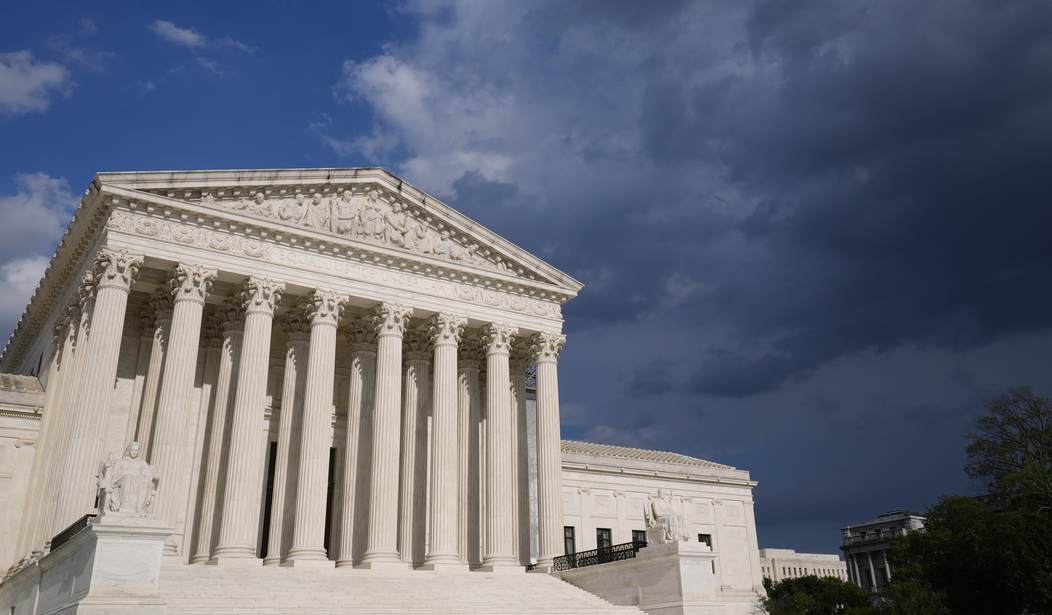
The Supreme Court narrowed the scope of the National Environmental Policy Act (NEPA), allowing American infrastructure projects to move forward without Federal Agencies having to consider broad and indirect environmental impacts. In other words, another bureaucratic hurdle was removed today. The ruling directly affects a project in Utah that planned an 88-mile railroad expansion to increase the transport of crude oil. It represents a major win for business and future infrastructure undertakings as the NEPA regulations can no longer require investigations into the environmental impacts upstream or downstream from the project itself.
The railroad expansion project in Utah would increase the amount of oil transported daily from around 80,000-85,000 barrels to between 225,000 to 350,000 barrels. The increase in oil transported would increase the domestic energy supply, energy security, and help contribute to growth in both the energy sector and the American economy.
NEPA was signed into law in 1970, and "requires federal agencies to assess the environmental effects of their proposed actions prior to making decisions." As with all federal regulations, NEPA's powers have been broadly applied, often resulting in complications with American infrastructure projects.
In the past, NEPA has been blamed for limiting American infrastructure projects in their development, according to the American Enterprise Institute. These projects generally take four-and-a-half years to be approved, and tend to come back in documents over 600 pages long. Furthermore, NEPA-related litigation is both costly and generally increases the timeframe and uncertainty in which the project should be completed. This disproportionately affects small contractors who often can't afford to be NEPA compliant and constantly lose out to large, more mainstream competitors.
Opponents of the ruling claim that this will make way for increased damage to the environment. However, by hamstringing infrastructure initiatives, which slow economic growth, we limit our ability to innovate on environmental solutions. A far more promising prospect.
The Supreme Court ruling stands as a win for American business, energy independence, and the American economy.



Join the Conversation
VIP members get the ability to comment on articles.