





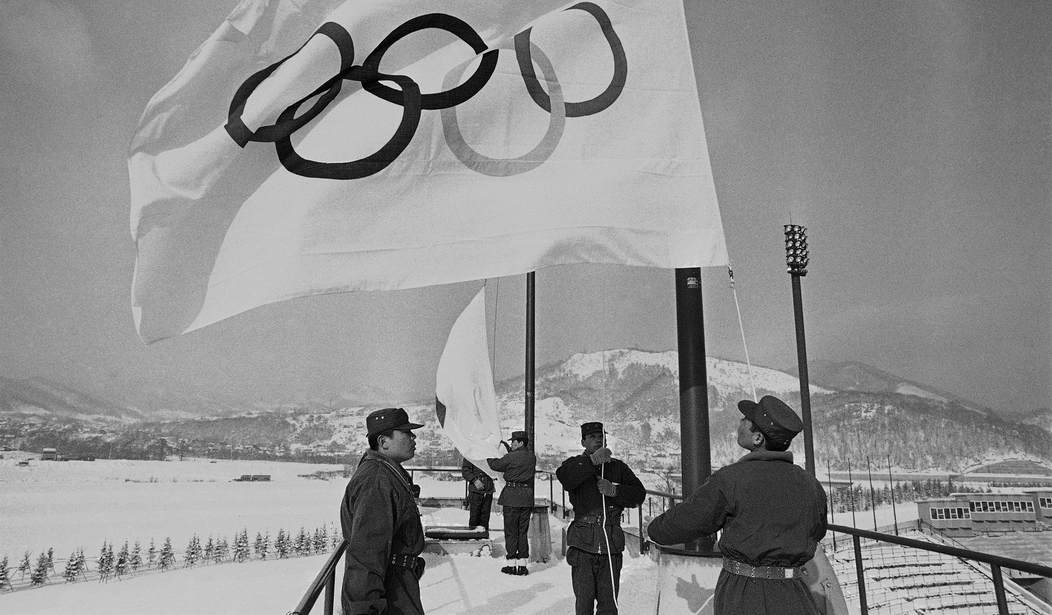
Citing a surge in the Delta variant of the Wuhan coronavirus, Olympic organizers announced on Thursday that no crowds will be permitted at the upcoming Tokyo Olympics.
“We reached an agreement on no spectators at venues in Tokyo,” Japan’s Olympics Minister, Tamayo Marukawa, said.
The agreement was reached by a five-party coalition of Tokyo 2020 organisers, Japanese government officials, the Tokyo government, the International Olympic Committee (IOC) and the International Paralympic Committee.
It came after Japanese Prime Minister Yoshihide Suga declared a state of emergency in Tokyo on Thursday morning. Though the Olympics will be held from July 23 to Aug. 8, Suga’s order will last until Aug. 22.
“Taking into consideration the impact of the Delta strain, and in order to prevent the resurgence of infections from spreading across the country, we need to step up virus prevention measures,” Suga said of his decision to sign the order.
Tokyo reported 920 cases of the Wuhan coronavirus on Wednesday, the most in the city since May.
Closing bars and banning the service of alcohol across Tokyo was perhaps the biggest priority of Suga’s state of emergency declaration. Health officials have recognized the challenge of preventing gatherings in bars and restaurants during the Games.
“How to stop people enjoying the Olympics from going out for drinks is a main issue,” said Japanese Health Minister Norihisa Tamura.
The ban on spectators abandons the organizers’ original plan to hold events at 50 percent capacity, with a maximum capacity of 10,000 Japanese-only fans for larger venues like Japan National Stadium, which will host the Olympics’ track and field events. This subject-to-change agreement was reached at the last five-party meeting on June 21.
The parties had previously agreed in March to ban all foreign spectators from the Games, creating unique refunding issues for international fans who had already purchased their tickets.
Other Olympic events will be held in the surrounding Chiba, Kanagawa and Saitama Prefectures. Venues outside of Tokyo must abide by the same no-spectator policy, according to the organizers.
The move to ban all spectators was expected, but certainly disappointing for Tokyites now expected to stay home and watch the Olympics on television.
No foreign spectators will be allowed at the Paralympic Games, which are scheduled from Aug. 24 to Sept. 5. However, the domestic spectator policy remains an open question and is dependent on any potential state of emergency extensions.
A May poll found that 83 percent of Japanese citizens did not want the Olympics held at all this summer. Those opposed cited concerns about the international travel required for the Olympics, as well the Japan’s low vaccination rate, 26 percent of Japanese adults have received their first dose, and just 15 percent of the population is fully vaccinated.

Join the Conversation
VIP members get the ability to comment on articles.