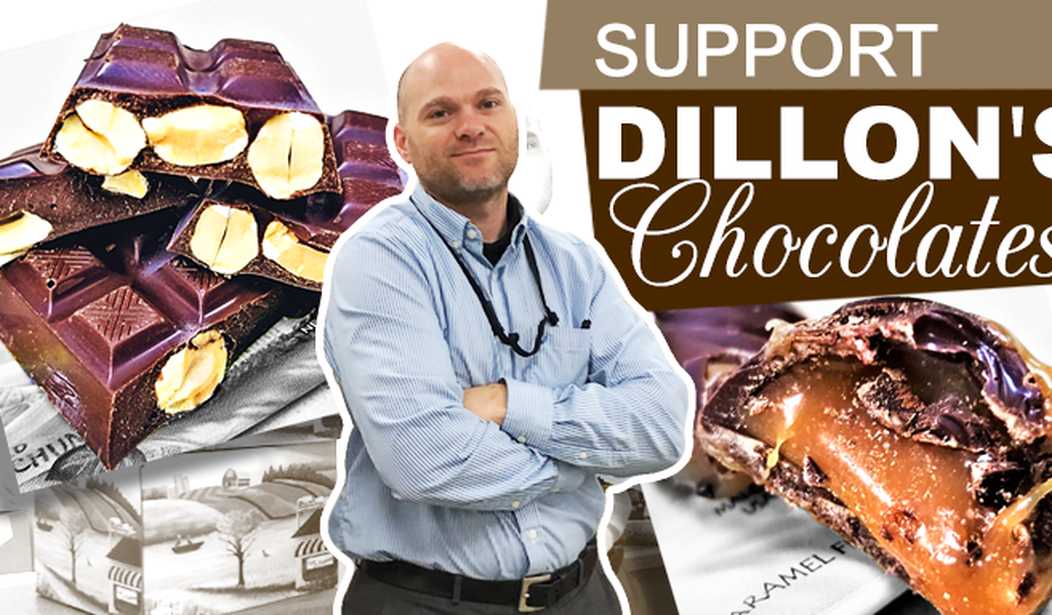
HARTLAND, Wisc. – Andrew Dillon, the co-founder of Dillon's Chocolates, has seen the first-hand impact of the Wuhan coronavirus pandemic. Over the last few years, Americans had more money in their pocket, meaning they had more money to spend on luxury items. It was something that he saw the benefit of.
"As far as policy, I'm not an expert on policy or what some of those policy differences may or may not have been," Dillon said about the Obama and Trump administrations. "It does, however, seem people are spending a little bit more money over the last few years."
Then the coronavirus struck. And he saw how that impacted his customers, including small boutiques and gift shops that typically carried his products.
"There are a lot of people that we supply, everywhere from large customers down to small customers and everywhere in between," he explained.
But it's the smaller businesses that seem to be the hardest hit.
"They've had to take a little bit of a hit. Some of them have not continued to order. Some of them have actually gone out of business," Dillon said. "It's juggling being able to support them as much as we can, with what works for their organization, and also supply the larger demand for the larger locations that have a greater shopping base."
The number of small business who have been unable to weather the storm vary. For Dillon, at least six of his former customers in Wisconsin have shut their doors for good.