





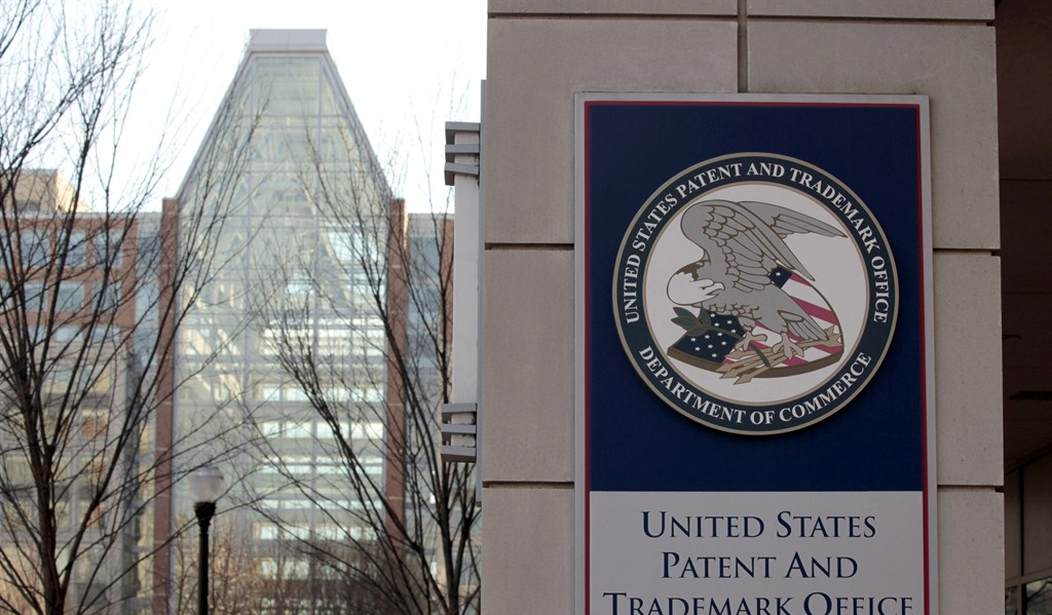
On October 17, 2025, the United States Patent and Trademark Office (USPTO) published a Notice of Proposed Rulemaking (NPRM) titled "Revision to Rules of Practice before the Patent Trial and Appeal Board" (PTAB). That rule focused on how the PTAB decided whether to institute inter partes review.
In an explainer about the proposed rule, the USPTO explained what it meant:
Today, the U.S. Patent and Trademark Office (USPTO) announced a Notice of Proposed Rulemaking (NPRM) seeking public input on a proposal to limit repeated challenges to patents.
The Office is concerned that even extremely strong patents become unreliable when subject to serial or parallel challenges. Congress gave the USPTO Director broad discretion to identify circumstances when inter partes review (IPR) proceedings would or would not benefit the patent system. And repeated challenges do not benefit the patent system. The Office, therefore, is proposing a rule that would focus IPR proceedings before PTAB on patent claims that have not been previously challenged and patent claims challenged in prior litigation that settled at an early stage. The proposed rule is intended to enhance fairness, efficiency, and predictability in IPR proceedings.
That NPRM seeks what can best be described as tighter "gatekeeping" rules governing when the PTAB can initiate inter partes review (IPR). This would prevent patent holders from having to fight the same patent challenges in multiple forums.
The new rules would require stipulations for parallel proceedings to prevent "double-dipping," in which "patent trolls" file multiple suits challenging the validity of a specific patent in multiple forums. It would set limits on previously litigated claims to prevent "serial" and repetitive claims to keep patent owners in courts, and avoid wasted PTAB resources on issues soon to be decided elsewhere. Note that it does not eliminate IPR; it only limits repeat challenges.
Such a rule has faced major backlash from big tech companies, including Apple, Google, and Chinese tech firms. Why? While IPR has been effective in some cases in disqualifying low-quality patents, it has also been weaponized by the aforementioned "patent trolls," who preemptively challenge the validity of patents to hold them up in court and drive up costs for smaller inventors.
The Electronic Frontier Foundation (EFF) issued a statement opposing the proposed rule, saying, "These changes would strip away important protections against patent trolls that rely on low-quality patents and litigation pressure to extract settlements from innovators, small businesses, and the public. The rulemaking would make bad patents nearly untouchable and invite a new wave of opportunistic legal abuse. EFF opposes multiple proposed changes for the reasons below."
But Conservatives for Property Rights is being vocal about its support for the Trump administration and the rule. It sent a letter to the White House to express support for the USPTO's proposed rules. "The proposal would help restore fairness, efficiency, and predictability to patent adjudication. Such are principles that Congress pledged in the America Invents Act (AIA), but that years of serial and duplicative challenges and bias for patent claim invalidation have eroded," the letter read. "By limiting duplicative challenges, the NPRM’s framework channels patent disputes to a single forum. By reserving exceptions for truly extraordinary circumstances, cost and delay will be reduced for all participants. The proposal will also allow USPTO to redirect its limited resources to its core mission of examining and issuing patents. These reforms will help make PTAB proceedings what Congress intended: a focused, efficient, and fair mechanism to resolve legitimate validity questions without undermining confidence in issued patents."
Jim Edwards, founder and President of Conservatives for Property Rights, said in a statement, "Conservatives, who believe in the inherent rights of private property ownership, want the White House to know that we strongly support the initiative of the Trump administration’s Patent and Trademark Office leaders. They've proposed a rule to correct a primary means of invalidating issued patents. No longer could the Patent Trial and Appeal Board issue repeated challenges on the same issues involving inventions that the challengers—predominantly Big Tech and Chinese tech companies—want to use without the patent owner's consent. PTO officials deserve much credit for this PTAB reform proposal."
Without reliable patent rights, innovation stalls and investment dries up. The USPTO’s proposal recognizes that property rights mean little if they can be relitigated endlessly by those with deeper pockets. Whether the rule survives Big Tech’s pressure campaign may determine whether America’s patent system protects inventors — or only those rich enough to outlast repeated litigation.
Editor’s Note: Do you enjoy Townhall’s conservative reporting that takes on the radical left and woke media? Support our work so that we can continue to bring you the truth.
Join Townhall VIP and use promo code FIGHT to receive 60% off your membership.


Join the Conversation
VIP members get the ability to comment on articles.