







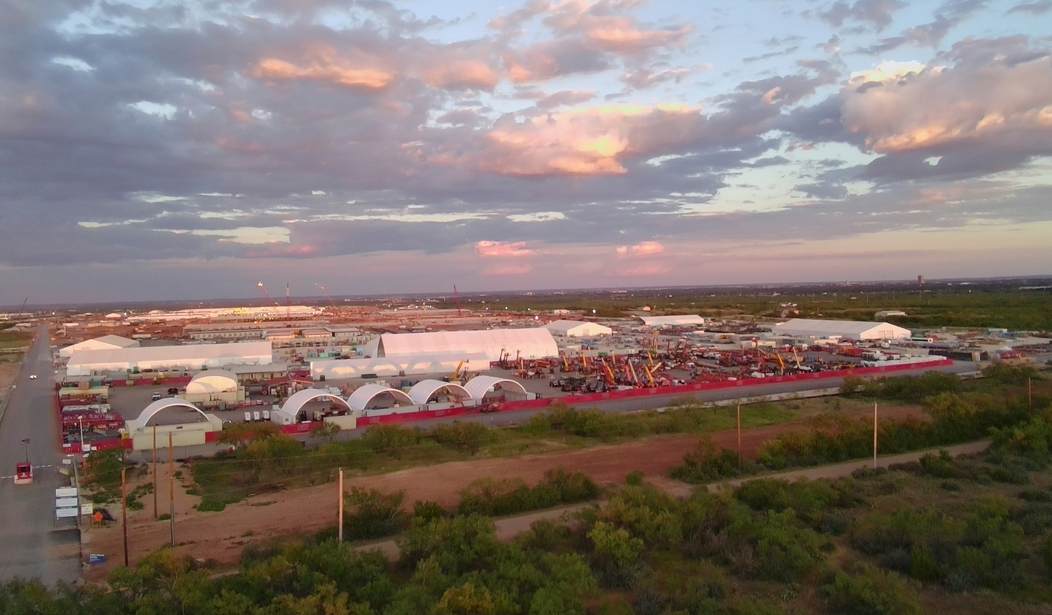
A central Republican concern in recent years has been how to reindustrialize America. Part of the answer may lie in the factory of the future: the AI data center, currently one of the country’s most unpopular infrastructure projects.
Jesse Arm, a pollster and vice president of external affairs at the Manhattan Institute, argued Tuesday that the path to a reindustrialized America may run through embracing AI data centers. He praised Montana Sen. Tim Sheehy for drawing a stark comparison earlier this week between data centers and the timber mills and factories that politicians have spent years shutting down in the name of helping workers and communities.
Sen. Sheehy and Arm’s point is that the same political impulse that hollowed out traditional industry is now turning against the infrastructure needed to build the next one. Politicians claim they want jobs, innovation, and a stronger domestic economy, until the projects that make those goals possible arrive in their own communities. Data centers may not resemble the factories of the past, but they are a vital foundation for the technology, businesses, and productive capacity America will need to compete in the future.
We said we wanted to reindustrialize America and rebuild our capacity to make new things and create prosperity.
— Jesse Arm (@Jesse_Leg) August 25, 2026
Now the data centers required to do it are coming, and politicians are racing to prove they can stop them.
For sage wisdom on navigating the politics of powering the… https://t.co/rIrSv8qEor pic.twitter.com/YkszBQyWZ0
"Yeah, there's a lot of hysteria. There's a lot of panic about data centers right now. The AI companies that came out and said, doom and gloom projections about this technology is going to lead to massive job loss, best case scenario, worst case scenario, Terminator-like killings of all of us. So surprise, surprise, people are upset about data centers and have whipped themselves up into a real frenzy about it," Arm said.
He went on to point out that politicians such as Texas Gov. Greg Abbott and Pennsylvania Gov. Josh Shapiro, both initially supportive of data-center expansion, quickly shifted course amid rising public backlash. Arm described the turn as “performative,” particularly because most data centers are ready to comply with the guidelines being proposed and will likely be built anyway. In other words, the moratoria amount to shiny new red tape meant to quell public backlash, inviting more government involvement in an industry where its role should be limited.
“One lawmaker who stood out to me as a really effective communicator on this issue has been Senator Tim Sheehy of Montana, who’s something of a rising star within the GOP. He’s gone to great lengths to point out—he recently tweeted something about this—that, look, we’ve wanted to reindustrialize. We wanted to rebuild America’s ability to create new things,” he said. And data centers are essential to doing exactly that.
Their value is not limited to the construction jobs they create. By expanding the computing infrastructure available to AI startups and technology companies, they give those firms the capacity to grow, innovate, and hire more Americans. They also help preserve U.S. technological leadership over foreign adversaries.
A CNN panelist then raised the familiar criticism that AI data centers do not create many jobs. It is worth pointing out how shortsighted that argument has become.
The American economy is not a jobs program. Its purpose is not to preserve outdated ways of producing goods simply so people can remain employed in them. Republicans used to understand that. The economy’s job is to embrace the future, increase productivity, and create the conditions for Americans to build better lives.
Yes, data centers create a major influx of construction and skilled-trades work. Once operational, they generally employ dozens to a few hundred long-term workers, critical-facility engineers, network technicians, electricians, HVAC specialists, security personnel, maintenance workers, and operations managers.
But the jobs critics ignore are the ones made possible by expanded computing capacity. Data centers give AI startups and technology companies the infrastructure to grow, hire, and develop new products: software engineers, researchers, data scientists, cybersecurity professionals, product managers, designers, sales teams, legal and compliance staff, and countless workers at businesses that adopt the technology. The direct headcount at a single facility may be limited; the productive capacity it unlocks for people across the country is not.
When we talk about reindustrialization, it does not mean nostalgically rebuilding the factories of the past, where workers performed backbreaking labor for eight or more hours a day in dangerous conditions. It means ensuring that America can build the infrastructure, develop the technology, and power the industries that will define the future.
The factories of the next American industrial age may not look like the steel mills, assembly lines, or textile plants of the last one. They will be data centers, chip fabs, automated-manufacturing facilities, energy projects, research labs, and the companies built around them. This is how America will reindustrialize. Not by freezing the economy in place or clinging to outdated modes of production and productivity, but by embracing the future.
Editor's Note: Do you enjoy Townhall's conservative reporting that takes on the radical Left and woke media? Support our work so that we can continue to bring you the truth.
Join Townhall VIP and use promo code FIGHT to receive 60% off your membership.


Join the Conversation
VIP members get the ability to comment on articles.