





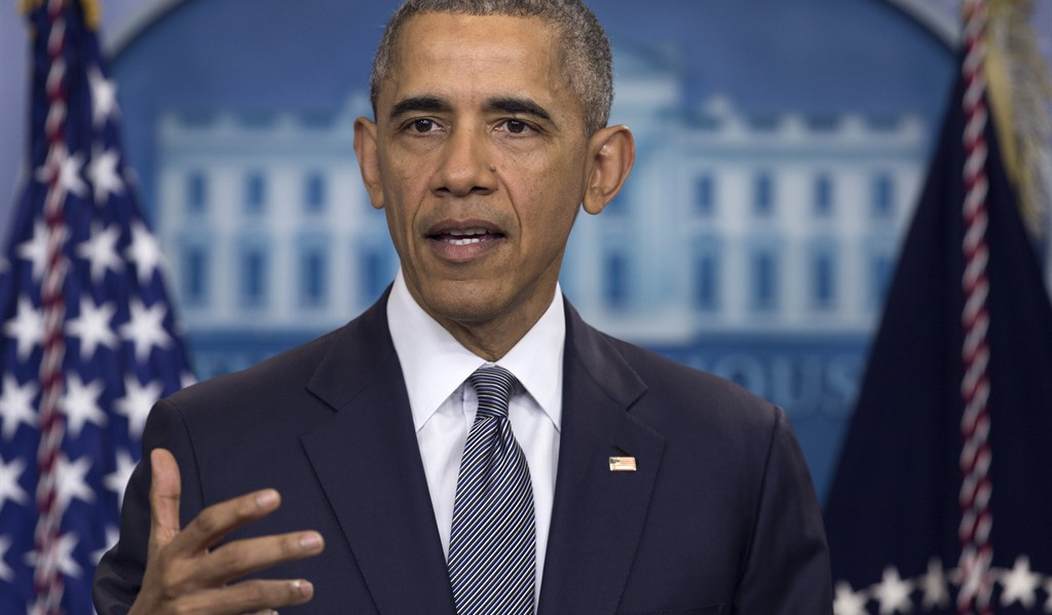
Coming this December, 4.2 million additional workers will be entitled to overtime benefits. The Obama Administration has pushed the change with great enthusiasm. The Department of Labor’s video, “OVERTIME: It’s About Time” is indicative of the administration’s tone regarding the issue: over cheerful music, Secretary Thomas Perez paints a picture of the new regulation saving millions of workers from exploitation, of the regulation as a wholly positive change that’s long overdue. But it’s not that simple.
In a recent study commissioned by the National Retail Federation, the research firm Oxford Economics found that most employees will not benefit from the new regulations. Even though more will qualify for overtime protections, employers will likely offset the costs of these protections by cutting employees’ hours or by reducing their base wages or benefits, resulting in no net increase in income for these workers. This is not because employers are greedy or evil; it’s simply because they cannot afford to do otherwise. With businesses competing with razor-thin profit margins, there is simply no way for them to somehow conjure the billions of dollars it would take to pay the newly eligible workers time and a half.
The new regulation is not simply ineffective at raising wages—it is also actively harmful to companies and workers alike. Raising the threshold of who is entitled to overtime benefits requires businesses to convert salaried employees to hourly workers, which means millions of dollars spent updating payroll systems to track their hours—millions of dollars that might otherwise be used to hire new workers or raise workers’ wages voluntarily. As managers are exempt from the new overtime protections, the rule incentivizes employers to create new managerial positions, resulting in a more hierarchical work environment. Employees lose out as well. Barred from working overtime, they lose the flexibility to continue working on a project that interests them, to show their dedication to employers and thus position themselves well for promotions.
Some might look at these unintended consequences and ask, “So what?” They view the issue of overtime as a cut-and-dry moral issue that should be enforced, regardless of whether the effects are not as rosy as one might anticipate. “If you work overtime, you should actually get paid for working overtime,” Vice President Biden said in support of the edict.
But asserting an idealistic “should” as grounds for far-reaching regulations on the federal level, as stringent and invasive as they are sprawling, is more than inadequate when those same regulations hurt the very people they are intended to help. We live in a world where results matter more than intentions, but the Obama Administration has continually acted as if the opposite were the case. Back in 2009, Charlie Gibson asked Obama why he was in favor of raising the capital gains tax even though more revenue would be garnered by leaving it the way it was. “Well, Charlie,” Obama said, “what I’ve said is that I would look at raising the capital gains tax for purposes of fairness.” For the Obama Administration, “fairness” overrides what is helpful and what is hurtful. It’s saying the same thing now except on the issue of overtime.
But how is the abstract notion of fairness more important than the very real employers and employees who will be hurt by this mandate? Good intentions do not negate negative consequences. The mandate is a straight-jacket when we desperately need the economy to grow, and no abstract notion of fairness will loosen its bonds.



Join the Conversation
VIP members get the ability to comment on articles.