





According to Benjamin Franklin, "nothing can be said to be certain except death and taxes."
While it would be great to live without either, it's a disservice to avoid or ignore the difficult discussions around death and dying. The truth is, most of us will have to, at some point, confront our own and other's reactions to our mortality. Undoubtedly a vulnerable time, it is crucial the model of end-of-life care available protects dignity and freedom of choice - be it an aggressive battle until the end, or a peaceful respite free of medical intervention in the comfort of home.
The idea of hospice was pioneered by an Englishwoman, Dame Cicely Saunders, who felt called to care for the dying as children in God’s image deserving of dignity, compassion, and respect. Shortly after this first hospice was established, this philosophy of care traveled across the Atlantic and is still practiced across a variety of faith and secular backgrounds today.
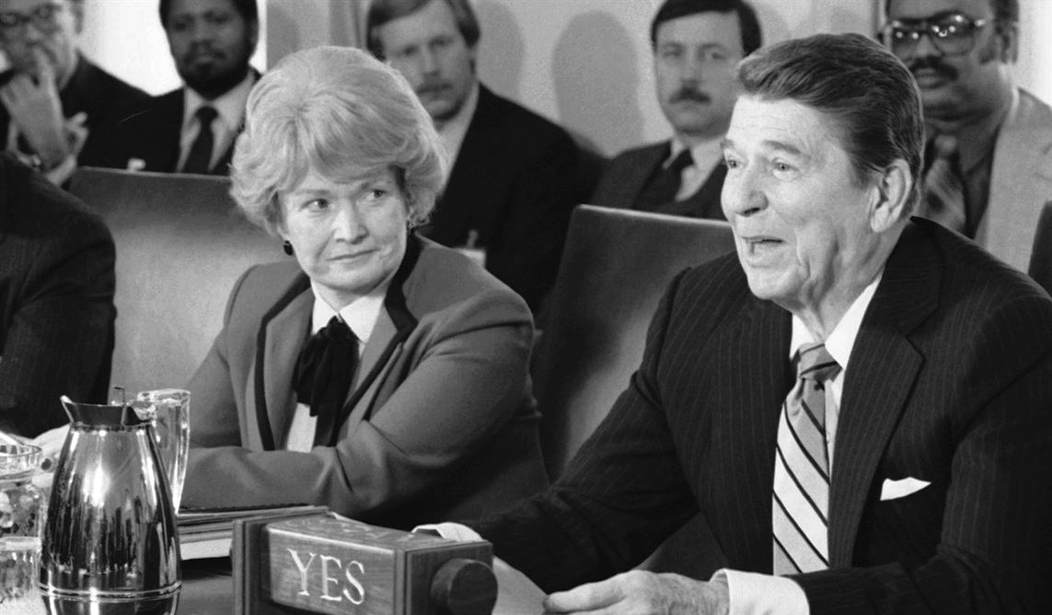
In fact, since President Reagan signed the Medicare Hospice Benefit into law in 1982, hospice has grown to serve over a million Medicare beneficiaries a year. Patients with a prognosis of six months or less to live have the option to enter hospice and receive evaluation and support beyond basic medical care. Providers meet with families and caregivers and teach pain management techniques and provide respite. Social workers work with patients to address stress and navigate familial conflict. Chaplain and spiritual care guides who often work exclusively with the dying to help patients face death with peace and dignity while volunteers give of their time to ensure no one dies alone.
My first introduction to hospice came with my grandpa Clifford. He was a fine man and lived a long life into his eighties. He always looked dapper and ran a small town clothing store that looked like a Rockwell painting. Like much of his generation, he didn’t like to go to the doctor and if he had simply gone in for a routine physical his cancer would have likely been detected early enough to do something about it. That was not the case.
Once his cancer was discovered it was simply a matter of a few months remaining. There would be no fighting it or chemo for my beloved grandpa, but it was his desire to keep his dignity to the end. And thanks to hospice care he died in his home surrounded by a family that loved him, even his stubbornness, that he passed on to many of us. Hospice accomplished exactly what it promised. High quality nursing care in a familiar environment. Support to my grandpa, my grandmother as well as the entire grieving family.
We quite literally couldn’t thank them enough for the love that permeated their jobs. Since then I’ve witnessed others fighting to the end in a hospital. After that, the choice is easy if you’ve ever witnessed a hospice death. I would choose hospice all day long.
According to the National Hospice and Palliative Care Organization, hospice care takes place in the patient's home 98 percent of the time. Not only is this patient-preferred but providing care in the home is also often more cost-efficient than institutional settings like intensive-care units or nursing homes, leading to lower overall health costs.
Why is it then that less than half of eligible Medicare beneficiaries elect hospice care?
For many, it's confusion about what hospice is. Fewer than 1 in 5 patients have the discussion with their doctor about end-of-life care options and for many, the pervasive myth that hospice is "giving up" prevails. And like so many myths, this one has a root in reality.
Under Medicare’s payment rules, when electing hospice, a patient must also agree to forgo any care designed to overcome or recover from a disease, known as “curative care.” For a cancer patient, this can mean ending aggressive chemotherapy, but someone diagnosed with end-stage renal failure would have to give up dialysis.
While this policy was designed to limit Medicare spending, it's worth revisiting given shifts in demographic mortality since the hospice program began. Given these shifts, a reevaluation of if a six-month terminal prognosis threshold makes sense given the changing treatment landscape for with diseases like AIDS, Alzheimer’s or COPD. In fact, an option is already being piloted as the Medicare Care Choice Model (MCCM).
We know broad prescriptive government policies don’t work. Now is the time to reevaluate the hospice care model and empower doctors and patients to choose together how to handle a terminal prognosis with expanded, not limited options. Hospice originally began as care for the dignity of the individual. Death may be certain but if that’s the case, let’s protect dignity and freedom of choice until the end.


Join the Conversation
VIP members get the ability to comment on articles.