





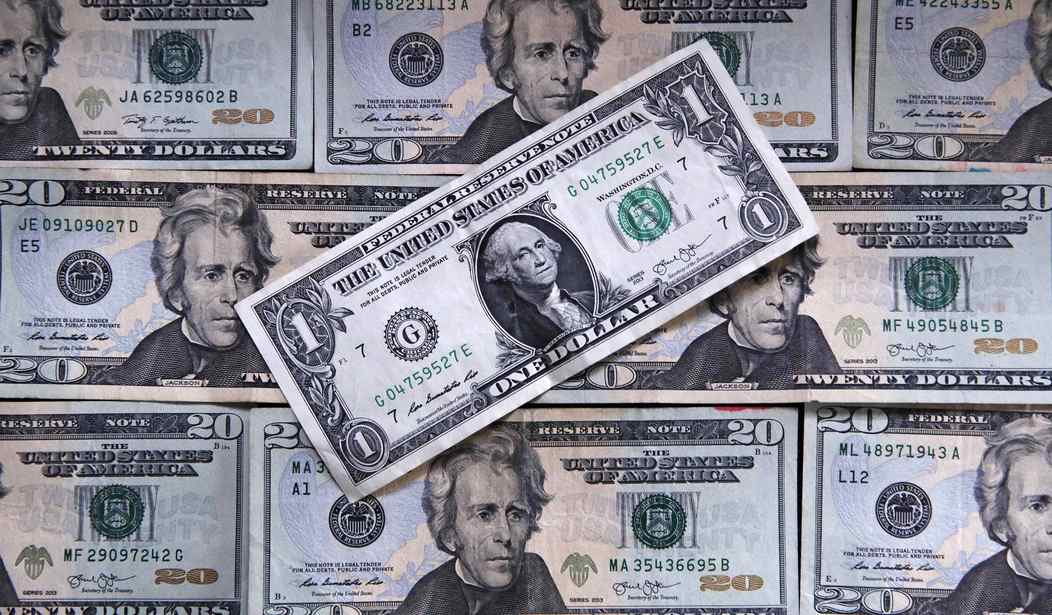
The recovery stage for our economy is finally here, and now the policy priority has to shift to getting people back on the job and getting businesses up and running. The best incentive to get businesses hiring again and get workers off unemployment is to suspend the payroll tax for the rest of the year.
So far, Congress' "stimulus" plans have cost more than $2.1 trillion on short-term aid to workers, businesses and states, but they haven't stimulated much of anything other than government dependence. House Speaker Nancy Pelosi favors another $3 trillion spending bill that would actually encourage states to keep their economies shut down by paying their bills and incentivizing workers to stay unemployed for many more months by extending unemployment benefits that pay more than a job would. It's no surprise that even though we now have 35 million unemployed workers in America, employers are having a hard time luring workers back to jobs. In 31 states today, welfare and unemployment benefits can pay more than work.
More debt-financed government spending will not stimulate the economy. Many congressional Republicans and Democrats want up to $2 trillion more in government spending on infrastructure, aid to states, Medicaid -- even windmills. President Barack Obama tried "shovel-ready" projects a little more than a decade ago during the last economic crisis, and it created a limp, L-shaped recovery rather than the V-shaped recovery we all hoped for and saw under President Ronald Reagan, who used tax rate cuts and deregulation.
Of all the significant proposals in play right now, the only one that would actually create new hiring rather than discourage it would be the payroll tax suspension through Dec. 31, 2020. Currently, the Social Security and Medicare tax takes roughly 7.5% from a worker's paycheck, with another 7.5% paid by employers -- up to about $130,000 of income. (The self-employed get socked with a full 15% tax on their income -- in addition to income taxes.)
With 1 in 4 people now unemployed, this will help get people back to work and fatten the paychecks of all 150 million U.S. workers. The workers who would benefit the most would be minimum-wage and middle-class workers who pay more payroll than federal income tax. Isn't this what Pelosi wants?
I have heard three spurious complaints about the payroll tax suspension. First, it will hurt the "trust fund" of Social Security and jeopardize benefits paid in the future. No, this plan would provide government bonds to the Social Security Administration, so there would be no adverse effects on benefits paid and promised to seniors. Both the Bush and Obama administrations did this when they temporarily cut the payroll tax.
The second complaint is even dumber. Opponents say this reduction in the worker tax does nothing to help the unemployed. Wrong. It helps the unemployed the best way possible: by creating jobs and higher take-home pay when they do get a job. By reducing the payroll expenses for employers, the cost of hiring more workers falls -- which helps get millions of people back to work.
Some also protest that we cannot afford to suspend the payroll tax because this would lower revenues by about $700 billion. But this plan is one-quarter as expensive as the Pelosi plan, which would not create any net new jobs.
Nearly everything Washington has done until now in response to the pandemic has been to reward people for not working. Now it is time to get back to the idea of making work pay more than staying idle and on the couch. The vast majority of the public wants to earn a paycheck, and they want to get paid an excellent after-tax wage. Polls show that if you ask voters if they'd rather have the next aid package go to mayors, governors and other politicians to spend or have more money directly in their paychecks, 2 in 3 voters prefer the latter -- the payroll tax cut. They have the attitude of Cuba Gooding Jr. in the unforgettable movie "Jerry Maguire": "SHOW ME THE MONEY!"
Stephen Moore is a senior fellow at the Heritage Foundation and an economic consultant with FreedomWorks. He is the co-author of "Trumponomics: Inside the America First Plan to Revive the American Economy."

Join the Conversation
VIP members get the ability to comment on articles.